
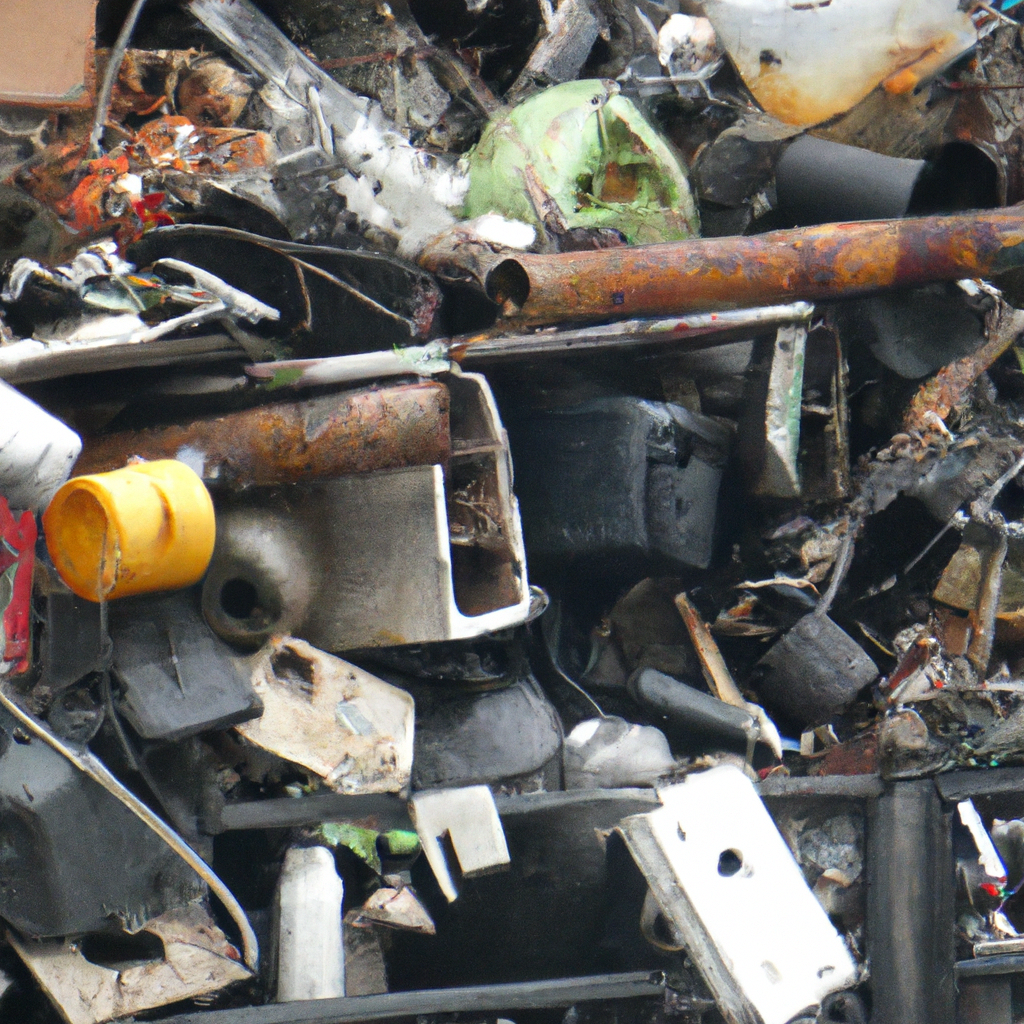
“Turning E-Waste into E-Resource: A Step Towards Sustainable Future.”
Introduction
E-waste, or electronic waste, refers to discarded electronic or electrical devices. This type of waste includes items such as computers, mobile phones, televisions, and refrigerators, which have been disposed of by their original users. E-waste is a significant and growing problem globally due to the rapid increase in the use of electronic devices and the fact that they often contain harmful substances such as lead, mercury, and cadmium. Improper disposal of e-waste can lead to serious environmental and health problems.
Understanding the Environmental Impact of E-Waste
E-waste, or electronic waste, refers to discarded electronic or electrical devices. As technology continues to advance at an unprecedented rate, the generation of e-waste has become a significant global issue. The environmental impact of e-waste is profound and multifaceted, affecting not only the natural environment but also human health.
E-waste is a complex mixture of valuable materials such as gold, silver, copper, and palladium, along with hazardous substances like lead, mercury, and cadmium. When improperly disposed of, these hazardous substances can leach into the soil, contaminating groundwater, surface water, and the air. This contamination poses a significant risk to the environment and human health. For instance, lead can cause damage to the human nervous system, while mercury can lead to kidney and brain damage.
Moreover, the improper disposal of e-waste often involves burning, which releases toxic fumes into the atmosphere. These fumes contribute to air pollution, which is linked to a range of health problems, including respiratory diseases and cancer. Furthermore, the burning of e-waste can also release greenhouse gases, contributing to global warming and climate change.
In addition to these direct impacts, e-waste also has indirect environmental effects. The production of electronic devices requires the extraction of raw materials, which often involves mining. This process can lead to habitat destruction, soil erosion, and the pollution of water bodies. As the demand for new devices continues to grow, so too does the pressure on these natural resources.
Despite these challenges, it is important to note that e-waste also presents opportunities for resource recovery and recycling. Many of the materials found in e-waste can be recovered and reused, reducing the need for new raw materials. For example, one tonne of mobile phones can yield more gold than one tonne of gold ore. However, the current rate of e-waste recycling is alarmingly low. According to the United Nations, only 20% of e-waste is formally recycled, with the rest either dumped or traded informally.
The management of e-waste is a complex issue that requires a multifaceted approach. On one hand, there is a need for stricter regulations and enforcement to prevent the improper disposal of e-waste. On the other hand, there is a need for greater public awareness and education about the environmental impact of e-waste and the importance of proper disposal and recycling.
In conclusion, the environmental impact of e-waste is a pressing global issue that demands urgent attention. While the rapid advancement of technology brings many benefits, it also generates a significant amount of e-waste, which poses serious risks to the environment and human health. However, with effective management and recycling, it is possible to mitigate these impacts and turn e-waste into a valuable resource. As consumers, we all have a role to play in this process, whether it’s by choosing to recycle our old devices, buying less, or opting for devices with longer lifespans.
Effective Strategies for E-Waste Management
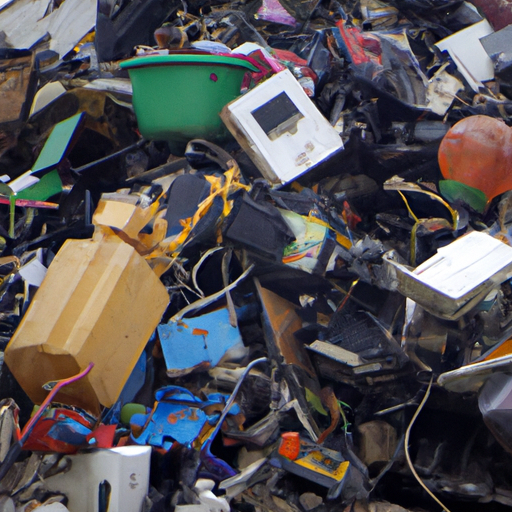
E-waste, or electronic waste, refers to discarded electronic or electrical devices. As technology continues to advance at a rapid pace, the generation of e-waste has become a significant global issue. The improper disposal of these devices can lead to severe environmental and health hazards due to the toxic materials they contain, such as lead, mercury, and cadmium. Therefore, effective strategies for e-waste management are crucial to mitigate these risks and promote sustainable development.
One of the most effective strategies for managing e-waste is the implementation of extended producer responsibility (EPR) programs. These programs require manufacturers to take responsibility for the entire life cycle of their products, including the post-consumer stage. This approach incentivizes manufacturers to design products that are easier to recycle, reuse, or dispose of safely. EPR programs have been successfully implemented in several countries, including Sweden and Japan, leading to significant reductions in e-waste.
Another strategy is the promotion of recycling and reuse. Many electronic devices contain valuable materials that can be recovered and used to manufacture new products. For instance, mobile phones contain precious metals like gold and silver, while computers have copper and iron. By recycling these devices, we can conserve natural resources and reduce the demand for virgin materials. Moreover, some devices or their components can be refurbished and reused, extending their lifespan and reducing the need for new products.
Public awareness and education are also crucial in managing e-waste. Many people are unaware of the environmental and health risks associated with improper e-waste disposal. By educating the public about these risks and the importance of proper e-waste disposal, we can encourage more responsible behavior. This education can take various forms, including school programs, public campaigns, and online resources.
Regulation is another key strategy in e-waste management. Governments can play a significant role in regulating the generation, collection, and disposal of e-waste. This can include setting standards for e-waste disposal, imposing penalties for non-compliance, and providing incentives for businesses and individuals to dispose of their e-waste responsibly. For instance, the European Union has implemented the Waste Electrical and Electronic Equipment Directive, which sets collection, recycling, and recovery targets for all types of electrical goods.
Finally, the development of green technologies can also contribute to effective e-waste management. These technologies aim to reduce the environmental impact of electronic devices throughout their life cycle, from production to disposal. This can include designing products that use less energy, are made from sustainable materials, and are easier to recycle or dispose of safely.
In conclusion, effective e-waste management requires a multi-faceted approach that includes extended producer responsibility, recycling and reuse, public awareness and education, regulation, and the development of green technologies. By implementing these strategies, we can mitigate the environmental and health risks associated with e-waste and move towards a more sustainable future. However, it is important to note that these strategies are not mutually exclusive and should be implemented in tandem to achieve the best results.
The Growing Problem of E-Waste: Causes and Solutions
Electronic waste, commonly referred to as e-waste, is a rapidly growing global problem that poses significant environmental and health risks. This issue is primarily driven by the rapid technological advancement and the subsequent obsolescence of electronic devices. The increasing consumer demand for the latest technology, coupled with the short lifespan of these devices, has led to an unprecedented surge in e-waste.
E-waste encompasses a wide range of discarded electronic devices, including computers, smartphones, televisions, and household appliances. These devices often contain hazardous materials such as lead, mercury, and cadmium, which can leach into the environment if not properly disposed of, causing soil, water, and air pollution. Moreover, improper handling and disposal of e-waste can expose workers to these toxic substances, leading to severe health issues.
The problem of e-waste is further exacerbated by the lack of effective recycling programs. A significant portion of e-waste is not recycled and ends up in landfills, where its toxic components can cause environmental harm. Even when e-waste is recycled, it is often done so in an unregulated manner, particularly in developing countries, leading to further environmental and health risks.
Addressing the e-waste problem requires a multi-faceted approach. Firstly, there is a need for stronger regulations and enforcement to ensure proper disposal and recycling of e-waste. This includes implementing stringent standards for e-waste management and holding manufacturers accountable for the end-of-life management of their products.
Secondly, promoting sustainable consumption and production practices can significantly reduce the generation of e-waste. This involves encouraging consumers to make more informed purchasing decisions, such as opting for devices with longer lifespans or those that are easier to repair. Manufacturers, on the other hand, can contribute by designing products that are more durable, modular, and recyclable.
Thirdly, improving e-waste recycling infrastructure and technology is crucial. This includes developing more efficient methods for extracting valuable materials from e-waste and ensuring safe working conditions for recycling workers. Additionally, formalizing the e-waste recycling sector, particularly in developing countries, can help prevent the exploitation of workers and the environment.
Lastly, raising awareness about the e-waste problem and its potential solutions is key. This can be achieved through education campaigns, public outreach, and media coverage. By informing the public about the environmental and health impacts of e-waste, as well as the benefits of proper e-waste management, individuals can be motivated to take action.
In conclusion, the growing problem of e-waste is a complex issue that requires concerted efforts from governments, manufacturers, consumers, and the recycling industry. While the challenge is significant, the potential benefits of addressing this problem are immense. Not only can effective e-waste management mitigate environmental and health risks, but it can also contribute to economic growth through the creation of green jobs and the recovery of valuable materials. Therefore, tackling the e-waste problem is not just a necessity, but also an opportunity for sustainable development.
Conclusion
E-waste, or electronic waste, represents a significant global environmental and health issue. The rapid advancement of technology and the consumer demand for the latest electronic devices have led to an increase in the generation of E-waste. Improper disposal and recycling methods can lead to harmful effects on the environment and human health due to the release of toxic substances. Therefore, it is crucial to develop and implement effective waste management strategies, promote eco-design of electronic devices, and encourage responsible consumption to mitigate the impact of E-waste.
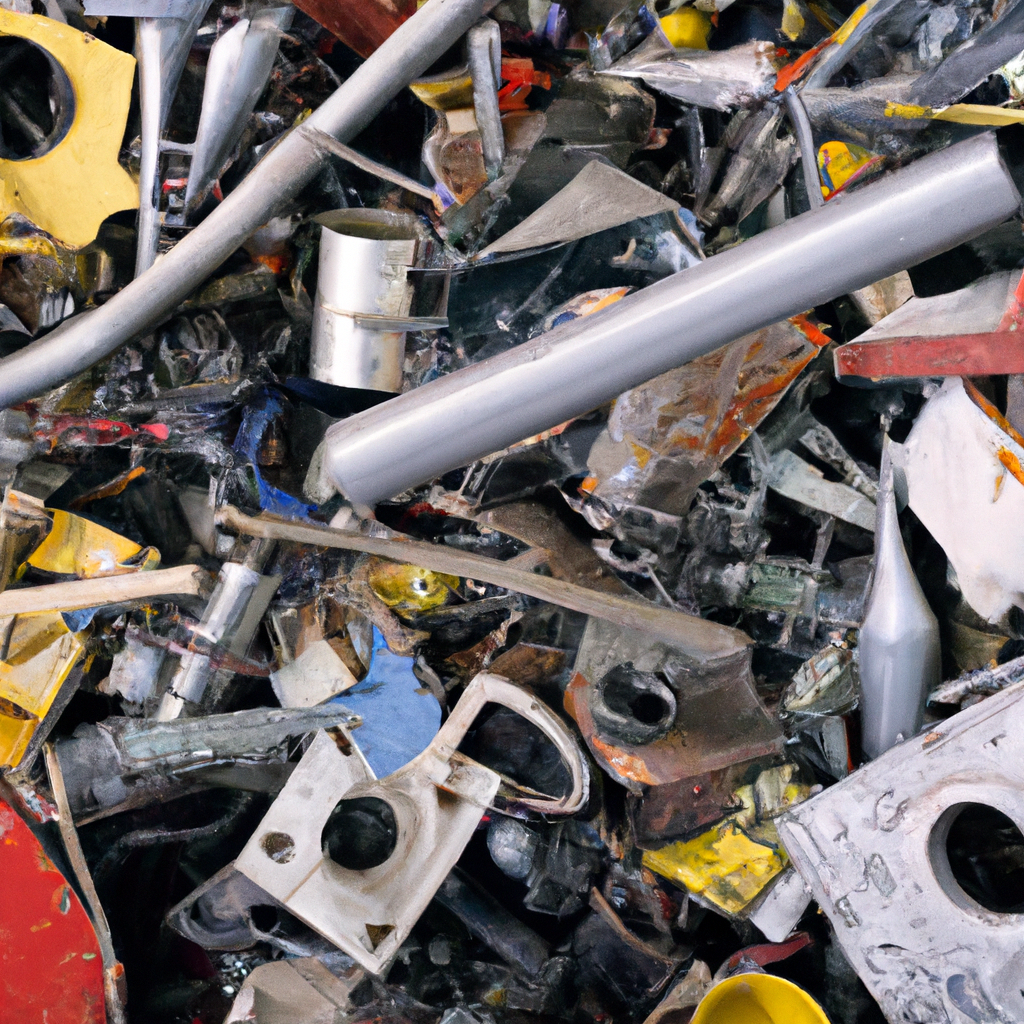
“Transforming E-Waste into E-Resource: A Step Towards a Sustainable Future.”
Introduction
E-waste, or electronic waste, refers to discarded electronic or electrical devices. These can include items such as computers, televisions, smartphones, or even refrigerators. E-waste has become a significant global issue due to the rapid increase in the use of electronic devices and their subsequent disposal. Improper disposal of e-waste can lead to serious environmental and health problems, as these devices often contain harmful substances like lead, mercury, and cadmium. The management and recycling of e-waste is therefore a critical concern for sustainable development.
Understanding the Impact of E-Waste on Our Environment
Electronic waste, commonly referred to as e-waste, is a rapidly growing global issue that poses significant threats to our environment and human health. E-waste encompasses a broad range of discarded electronic devices such as computers, televisions, mobile phones, and household appliances. As technology continues to evolve at an unprecedented pace, the volume of e-waste generated worldwide is escalating, making it an environmental concern of paramount importance.
The impact of e-waste on the environment is multifaceted and far-reaching. One of the most significant issues is the improper disposal of these electronic devices. Many end up in landfills, where they can leach harmful substances into the soil and groundwater. These substances include heavy metals like lead, mercury, and cadmium, which are known to be toxic and can cause severe health problems in humans and animals. Moreover, the plastic components of electronic devices can take hundreds of years to decompose, contributing to the growing problem of plastic pollution.
Furthermore, the incineration of e-waste, a common practice in many countries, releases toxic fumes into the atmosphere. These fumes contain harmful substances such as dioxins and furans, which are known to be carcinogenic and can cause a range of health problems, including respiratory diseases and heart conditions. The release of these pollutants not only affects local communities but also contributes to global air pollution and climate change.
The extraction of valuable metals from e-waste, often carried out in developing countries, also poses significant environmental and health risks. This process typically involves the use of strong acids to dissolve the metals, which can result in the release of toxic fumes and the contamination of local water supplies. Moreover, the workers involved in this process are often exposed to hazardous conditions, with little to no protection.
However, it’s not all doom and gloom. The growing awareness of the e-waste problem has led to the development of various strategies to mitigate its impact. One such strategy is the promotion of the circular economy, which encourages the reuse and recycling of electronic devices. This not only reduces the volume of e-waste generated but also decreases the demand for new electronic devices, thereby reducing the environmental impact associated with their production.
Moreover, many countries have introduced legislation to regulate the disposal of e-waste and promote its safe and environmentally friendly management. These regulations often include provisions for the collection and recycling of e-waste, as well as restrictions on its export to developing countries.
In conclusion, the impact of e-waste on our environment is a complex issue that requires concerted efforts from all stakeholders, including governments, businesses, and consumers. By understanding the environmental implications of our electronic consumption habits, we can make more informed decisions and contribute to the sustainable management of e-waste. While the challenges are significant, the potential benefits of addressing this issue – from protecting our environment and health to creating new economic opportunities – are immense.
Innovative Solutions for E-Waste Management
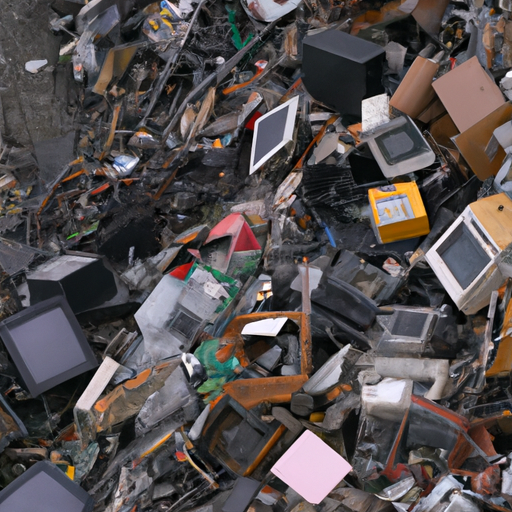
Electronic waste, or e-waste, is a rapidly growing global issue. As technology continues to evolve at an unprecedented pace, the lifespan of electronic devices is becoming increasingly shorter. This, in turn, leads to a surge in the volume of e-waste generated worldwide. The improper disposal of these discarded electronic devices poses significant environmental and health risks. However, innovative solutions are emerging to tackle the e-waste problem, offering promising avenues for sustainable e-waste management.
One such innovative solution is the development of eco-designs for electronic devices. Eco-design involves creating electronic products in a way that minimizes their environmental impact throughout their lifecycle, from production to disposal. This includes using fewer hazardous materials in the manufacturing process, improving energy efficiency, and making devices easier to recycle. By adopting eco-design principles, manufacturers can significantly reduce the amount of e-waste generated.
In addition to eco-design, the concept of Extended Producer Responsibility (EPR) is gaining traction as a solution for e-waste management. EPR is a policy approach under which producers are given significant responsibility for the treatment or disposal of post-consumer products. In the context of e-waste, this means that manufacturers of electronic devices are responsible for managing these products at the end of their life. This can involve setting up collection systems for discarded devices, ensuring their safe disposal, or even taking steps to refurbish and resell them. EPR not only encourages manufacturers to design products that are easier to recycle but also helps to ensure that e-waste is handled in an environmentally sound manner.
Another promising solution for e-waste management is the use of advanced recycling technologies. Traditional recycling methods often involve manual dismantling of devices, which can be labor-intensive and potentially hazardous. However, new technologies are emerging that can automate the recycling process, making it safer and more efficient. For example, hydrometallurgical processes use chemical solutions to extract valuable metals from e-waste, while biotechnological methods use bacteria or fungi to do the same. These advanced recycling technologies can recover valuable materials from e-waste more effectively, reducing the need for virgin materials and thus the environmental impact of electronic devices.
Finally, consumer education and awareness are crucial for effective e-waste management. Many consumers are unaware of the environmental and health risks associated with improper e-waste disposal, or of the correct ways to dispose of their old electronic devices. By raising awareness about these issues, we can encourage consumers to make more sustainable choices, such as choosing eco-designed products, recycling their e-waste, or even reducing their consumption of electronic devices.
In conclusion, while the e-waste problem is a significant global challenge, innovative solutions are emerging that offer hope for sustainable e-waste management. From eco-design and Extended Producer Responsibility to advanced recycling technologies and consumer education, these solutions represent a multifaceted approach to tackling the e-waste issue. By embracing these innovations, we can move towards a future where electronic devices are produced, used, and disposed of in a way that minimizes their impact on our planet.
The Growing Problem of E-Waste: Causes and Consequences
Electronic waste, commonly referred to as e-waste, is a rapidly growing global issue that demands immediate attention. This term refers to discarded electronic or electrical devices that have reached the end of their useful life or are no longer wanted. The proliferation of e-waste is a direct consequence of the rapid technological advancements and the ever-increasing consumer demand for the latest electronic gadgets.
The causes of e-waste are multifaceted. One of the primary reasons is the short lifespan of many electronic devices. With technology evolving at a breakneck pace, devices become obsolete quickly, leading to their disposal. Furthermore, the culture of consumerism, where the latest models of electronic devices are sought after, contributes significantly to the generation of e-waste.
Another contributing factor is the lack of awareness about proper disposal methods. Many consumers are unaware that electronic devices contain hazardous materials such as lead, mercury, and cadmium, which can cause significant harm to the environment and human health if not disposed of correctly. Instead, these devices often end up in landfills, where they leach toxic substances into the soil and water.
The consequences of e-waste are severe and far-reaching. Environmentally, the improper disposal of e-waste can lead to soil, water, and air pollution. When electronic devices are dumped in landfills, they can release toxic substances into the environment. These substances can contaminate groundwater, harm ecosystems, and contribute to air pollution when they are burned.
Moreover, the health implications of e-waste are equally alarming. Exposure to the hazardous substances found in electronic waste can lead to a range of health problems, including respiratory issues, neurological damage, and even certain types of cancer. Workers involved in informal e-waste recycling in developing countries are particularly at risk, as they often lack the necessary protective equipment and are exposed to these harmful substances daily.
Economically, the improper handling of e-waste represents a significant loss of valuable resources. Electronic devices contain precious metals such as gold, silver, and copper, which can be recovered and reused. However, due to inadequate recycling practices, these valuable resources are often lost.
Addressing the e-waste problem requires a multi-pronged approach. Firstly, there is a need for stricter regulations regarding the disposal and recycling of electronic devices. Governments should enforce laws that mandate proper e-waste management and penalize non-compliance.
Secondly, raising public awareness about the dangers of e-waste and the importance of proper disposal is crucial. Consumers should be educated about the environmental and health risks associated with improper e-waste disposal and encouraged to recycle their old electronic devices.
Lastly, manufacturers have a significant role to play in mitigating the e-waste problem. They should be encouraged to design products that have a longer lifespan and are easier to repair and recycle. Additionally, they should take responsibility for the end-of-life management of their products through take-back programs.
In conclusion, the growing problem of e-waste is a pressing issue that requires immediate and concerted efforts from all stakeholders. By understanding the causes and consequences of e-waste, we can take steps towards a more sustainable and responsible use of technology.
Conclusion
E-waste, or electronic waste, represents a significant global problem due to its rapid increase and harmful effects on the environment and human health. It contains toxic substances such as lead, mercury, and cadmium, which can leach into the soil and water, causing severe environmental damage. Moreover, improper handling and disposal of e-waste contribute to air pollution and can lead to serious health issues in humans. Therefore, it is crucial to promote responsible e-waste management strategies, including recycling and proper disposal methods, to mitigate these negative impacts.
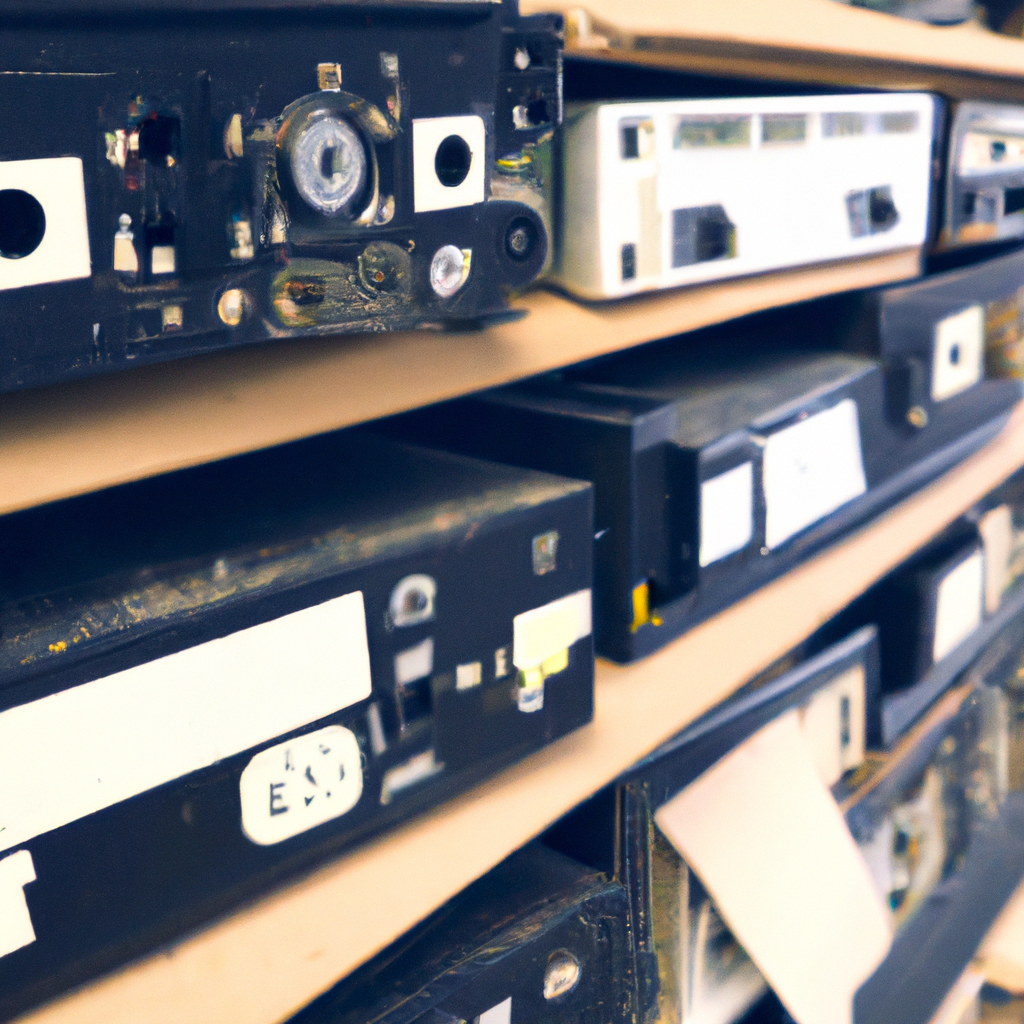
“Transforming E-Waste into E-Resource in Perth”
Introduction
E-waste Perth refers to the disposal and recycling of electronic waste in Perth, Australia. This includes discarded electronic devices such as computers, televisions, mobile phones, and other digital products. Due to the rapid advancement of technology, the volume of e-waste in Perth has been increasing, posing significant environmental and health risks. To address this issue, various initiatives and regulations have been implemented in Perth to promote responsible e-waste management, including recycling and safe disposal methods.
Understanding the Impact of E-Waste in Perth
E-waste, or electronic waste, refers to discarded electronic or electrical devices. These can range from everyday household items such as televisions, refrigerators, and microwaves to more specialised equipment like computers and smartphones. In the city of Perth, the issue of e-waste is becoming increasingly significant due to the rapid advancement of technology and the subsequent rise in the disposal of outdated electronic devices.
The impact of e-waste in Perth is multifaceted, affecting not only the environment but also the economy and public health. Firstly, the improper disposal of e-waste can lead to severe environmental damage. Many electronic devices contain hazardous materials such as lead, mercury, and cadmium, which can leach into the soil and water when these devices are dumped in landfills. This contamination can harm local ecosystems, affecting both plant and animal life.
Moreover, the production of electronic devices requires the extraction of valuable resources, including precious metals like gold and silver. When these devices are discarded rather than recycled, these valuable resources are lost. This not only contributes to the depletion of natural resources but also represents a significant economic loss.
In addition to environmental and economic impacts, e-waste can also pose serious health risks. The hazardous materials found in electronic devices can be harmful to humans if they enter the food chain or water supply. For instance, exposure to lead can cause neurological damage, while mercury can harm the kidneys and nervous system.
Despite these potential impacts, the management of e-waste in Perth is still in its early stages. While there are some recycling facilities that accept e-waste, many electronic devices still end up in landfills. This is partly due to a lack of awareness about the importance of e-waste recycling and the facilities available for this purpose.
However, efforts are being made to address this issue. The Australian government has introduced the National Television and Computer Recycling Scheme, which provides households and small businesses with access to free recycling services for televisions and computers. In Perth, several drop-off points have been established under this scheme, making it easier for residents to dispose of their e-waste responsibly.
Furthermore, various organisations in Perth are working to raise awareness about the importance of e-waste recycling. These include not-for-profit groups, educational institutions, and businesses that offer e-waste recycling services. Through workshops, campaigns, and other initiatives, these organisations are helping to educate the public about the impact of e-waste and the steps they can take to mitigate this.
In conclusion, the issue of e-waste in Perth is a pressing one, with significant environmental, economic, and health impacts. However, with the right policies and initiatives, it is possible to manage this issue effectively. By promoting e-waste recycling and raising awareness about its importance, we can not only mitigate the impact of e-waste but also turn it into a valuable resource. After all, every electronic device that is recycled is one less device that ends up in a landfill, and one more step towards a sustainable future.
Effective Strategies for E-Waste Management in Perth
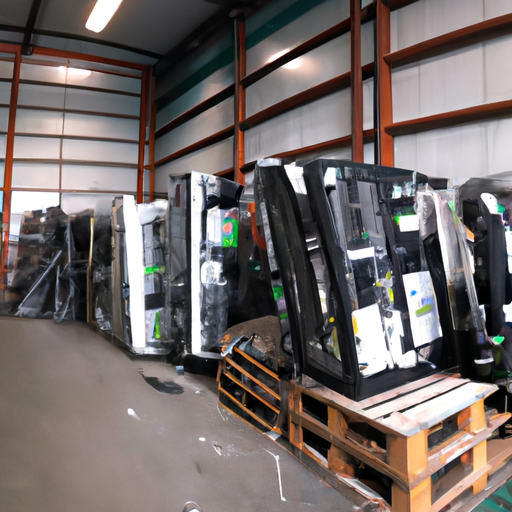
E-waste, or electronic waste, is a rapidly growing problem in our modern, technology-driven world. Perth, like many other cities, is grappling with the challenge of managing the increasing volume of discarded electronic devices. These devices, ranging from old mobile phones and computers to televisions and kitchen appliances, contain a variety of hazardous materials that can cause significant environmental damage if not disposed of properly. However, with effective strategies and concerted efforts, it is possible to manage e-waste in a sustainable and environmentally friendly manner.
One of the most effective strategies for managing e-waste in Perth is through recycling. Electronic devices are a treasure trove of valuable materials such as gold, silver, copper, and rare earth metals. By recycling these devices, we can recover these valuable materials and reduce the demand for virgin resources. Moreover, recycling e-waste also helps to reduce the volume of waste that ends up in our landfills, thereby preserving our natural environment.
In Perth, there are several facilities that specialise in e-waste recycling. These facilities use advanced technologies to safely dismantle electronic devices and recover valuable materials. However, for this strategy to be effective, it is crucial that residents are aware of these facilities and are encouraged to dispose of their e-waste responsibly. This can be achieved through public education campaigns and convenient e-waste collection services.
Another effective strategy for managing e-waste in Perth is through legislation. The government can play a pivotal role in e-waste management by implementing laws that require manufacturers to take responsibility for the entire lifecycle of their products. This concept, known as Extended Producer Responsibility (EPR), obliges manufacturers to design products that are easier to recycle, and to provide take-back programs for their products. EPR has been successfully implemented in several countries and could be a viable strategy for managing e-waste in Perth.
In addition to recycling and legislation, another strategy for managing e-waste is through innovation. Technological advancements can provide new and more efficient ways of dealing with e-waste. For instance, researchers are currently exploring the use of hydrometallurgical processes to recover valuable metals from e-waste. This process uses aqueous solutions to extract metals, and is considered to be more environmentally friendly than traditional methods. By fostering a culture of innovation, Perth can stay at the forefront of e-waste management.
Lastly, it is important to note that managing e-waste is not just the responsibility of the government or the recycling industry. Each one of us can play a part in this effort. By making conscious choices to buy less, reuse more, and recycle responsibly, we can significantly reduce the amount of e-waste that we generate.
In conclusion, managing e-waste in Perth requires a multi-faceted approach that includes recycling, legislation, innovation, and individual responsibility. By implementing these strategies, Perth can effectively manage its e-waste, protect its natural environment, and contribute to a more sustainable future.
The Role of Recycling in Reducing E-Waste in Perth
E-waste, or electronic waste, is a rapidly growing problem in our modern, technology-driven world. Perth, like many other cities, is grappling with the challenge of managing the increasing volume of discarded electronic devices. These devices, ranging from old mobile phones and computers to televisions and kitchen appliances, contain a variety of materials that can be harmful to the environment if not disposed of properly. However, through effective recycling strategies, it is possible to significantly reduce the amount of e-waste that ends up in our landfills.
Recycling plays a crucial role in managing e-waste in Perth. It is a process that involves the collection, sorting, dismantling, and processing of unwanted electronic devices to extract valuable materials, which can then be used to manufacture new products. This not only reduces the amount of waste that goes into our landfills but also conserves natural resources by reducing the need for new raw materials.
The city of Perth has implemented several initiatives to encourage residents to recycle their e-waste. One such initiative is the provision of designated e-waste collection points where residents can drop off their unwanted electronic devices. These collection points are equipped with the necessary facilities to ensure that the devices are handled and disposed of in an environmentally friendly manner.
Furthermore, the city has partnered with various electronic manufacturers and retailers to establish take-back programs. These programs allow consumers to return their old devices to the place of purchase for recycling. This not only makes it convenient for consumers to dispose of their e-waste but also ensures that the devices are recycled in a manner that complies with environmental regulations.
Education and awareness campaigns are another strategy that Perth is using to promote e-waste recycling. The city regularly conducts workshops and seminars to educate residents about the importance of recycling and the proper ways to dispose of their electronic waste. These campaigns are aimed at changing people’s attitudes towards e-waste and encouraging them to take responsibility for the disposal of their electronic devices.
Despite these efforts, there are still challenges that need to be addressed to improve e-waste recycling in Perth. One of these challenges is the lack of awareness among some residents about the existence of e-waste recycling programs. To address this, the city needs to intensify its awareness campaigns and make information about e-waste recycling more accessible to the public.
Another challenge is the lack of proper recycling facilities. While the city has made significant strides in establishing e-waste collection points, there is still a need for more advanced recycling facilities that can handle the increasing volume of e-waste.
In conclusion, recycling plays a pivotal role in managing e-waste in Perth. Through initiatives such as designated collection points, take-back programs, and education campaigns, the city is making significant strides in reducing the amount of electronic waste that ends up in landfills. However, there is still work to be done. By addressing the challenges of awareness and infrastructure, Perth can further enhance its e-waste recycling efforts and contribute to a more sustainable future.
Conclusion
E-waste in Perth is a significant issue that needs immediate attention. The rapid growth of technology and the subsequent disposal of outdated electronic devices have led to an increase in e-waste. This not only poses a threat to the environment due to the harmful substances contained in these devices, but also results in the loss of valuable resources that could be recovered and reused. Therefore, it is crucial for Perth to implement effective e-waste management strategies, including recycling and proper disposal methods, to mitigate the environmental impact and promote sustainability.
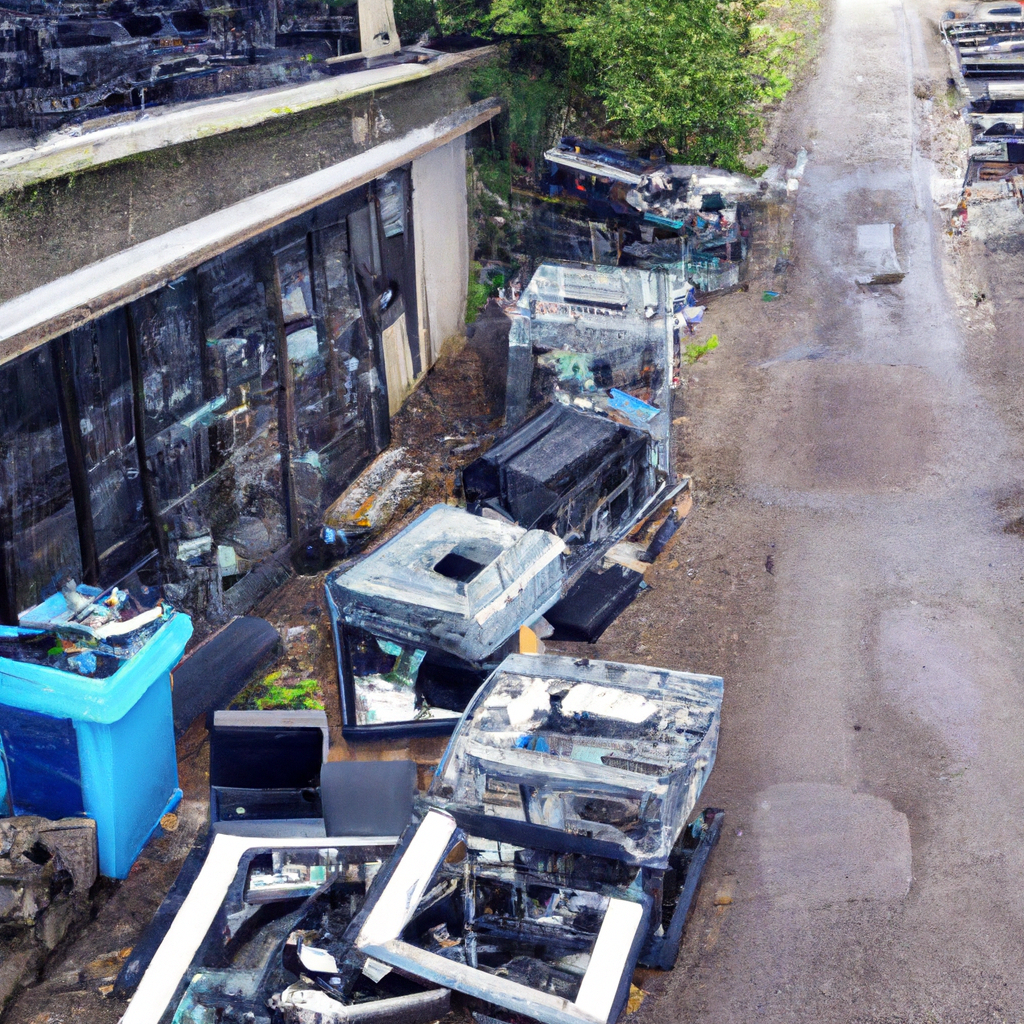
“Transforming E-Waste into E-Opportunities in Perth.”
Introduction
E-waste Perth refers to the disposal and recycling of electronic waste in Perth, Australia. This includes discarded electronic devices such as computers, televisions, and mobile phones. The management of E-waste in Perth is crucial due to the environmental hazards associated with improper disposal of these items. Various initiatives and services are in place in Perth to ensure responsible recycling and disposal of E-waste, aiming to reduce the environmental impact and promote sustainability.
Understanding the Impact of E-Waste in Perth
E-waste, or electronic waste, refers to discarded electronic or electrical devices. These can range from everyday household items such as televisions, refrigerators, and mobile phones to more complex industrial machinery. In recent years, the issue of e-waste has become increasingly prominent in Perth, Western Australia, due to the rapid technological advancements and the subsequent rise in the consumption of electronic goods.
The city of Perth, like many other urban centres around the world, is grappling with the challenge of managing the growing volume of e-waste. The Australian Bureau of Statistics estimates that the country generates over 600,000 tonnes of e-waste annually, a significant portion of which is contributed by Perth. This figure is expected to increase by 21% by 2035, highlighting the urgency of addressing this issue.
E-waste is not just an environmental problem; it also has significant social and economic implications. When not properly disposed of, e-waste can lead to severe environmental degradation. Electronic devices often contain hazardous materials such as lead, mercury, and cadmium, which can leach into the soil and water, causing harm to both human health and the environment. Moreover, the improper disposal of e-waste can lead to the loss of valuable resources. Many electronic devices contain precious metals such as gold, silver, and copper, which can be recovered and reused, reducing the need for mining and thus conserving natural resources.
In Perth, the impact of e-waste is particularly noticeable. The city’s landfills are rapidly filling up, and the contamination of local water sources has become a pressing concern. Furthermore, the city’s rapid economic growth and increasing population have led to a surge in electronic consumption, exacerbating the e-waste problem.
However, it’s not all doom and gloom. The city of Perth has been proactive in addressing the e-waste issue. Several initiatives have been launched to promote the responsible disposal of electronic waste. For instance, the city has established numerous e-waste collection points where residents can drop off their unwanted electronic devices for safe disposal. These devices are then sent to specialised recycling facilities where valuable materials are recovered and hazardous substances are safely disposed of.
Moreover, the city has been working closely with electronic manufacturers and retailers to implement ‘take-back’ programs. These programs encourage consumers to return their old electronic devices to the retailer or manufacturer for safe disposal or recycling. This not only helps to reduce the volume of e-waste but also promotes a circular economy, where resources are kept in use for as long as possible.
Education and awareness are also key components of Perth’s strategy to tackle e-waste. The city has been conducting various awareness campaigns to educate the public about the importance of responsible e-waste disposal and the potential hazards of improper disposal. These campaigns have been successful in increasing public awareness and participation in e-waste recycling programs.
In conclusion, while the issue of e-waste in Perth is a significant challenge, it is one that the city is actively addressing. Through a combination of policy measures, public awareness campaigns, and collaboration with the private sector, Perth is making strides in managing its e-waste and mitigating the associated environmental, social, and economic impacts. However, the fight against e-waste is a long-term battle that requires the continued commitment and participation of all stakeholders, from government and industry to consumers and the wider community.
Effective Strategies for E-Waste Management in Perth
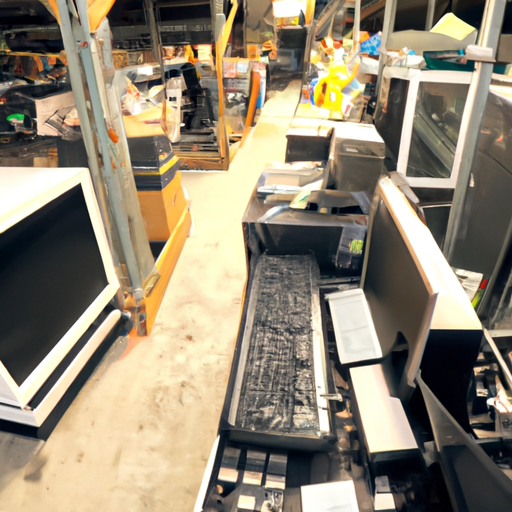
E-waste, or electronic waste, is a rapidly growing problem in our modern, technology-driven society. Perth, like many other cities around the world, is grappling with the challenge of managing this type of waste effectively. The city has been proactive in implementing strategies to manage e-waste, with a focus on reducing, reusing, and recycling.
E-waste refers to discarded electronic devices or components of these devices. This includes items such as computers, televisions, mobile phones, and household appliances. The improper disposal of these items can lead to harmful substances such as lead, mercury, and cadmium leaching into the environment, posing a significant risk to both human health and the environment.
In Perth, the first step towards effective e-waste management is reducing the amount of e-waste generated. This involves encouraging consumers to make more sustainable choices, such as opting for devices with longer lifespans or choosing products that are designed with recyclability in mind. Public education campaigns play a crucial role in this regard, raising awareness about the environmental impact of e-waste and promoting more responsible consumption habits.
The next strategy is to promote the reuse of electronic devices. Many devices that are discarded are still functional or can be repaired and used again. By extending the life of these devices, we can significantly reduce the amount of e-waste that ends up in landfills. In Perth, various organisations and initiatives facilitate the collection and redistribution of used electronic devices to those who need them. This not only helps to manage e-waste but also promotes digital inclusion by providing access to technology for those who may not be able to afford new devices.
Recycling is another key component of e-waste management in Perth. Specialised e-waste recycling facilities are equipped to safely dismantle electronic devices and recover valuable materials such as copper, gold, and palladium. These materials can then be used to manufacture new products, reducing the need for virgin materials and the environmental impact associated with their extraction.
However, for recycling to be effective, it is essential to have efficient collection systems in place. In Perth, drop-off points have been established at various locations, allowing residents to conveniently dispose of their unwanted electronic devices. Some retailers also offer take-back programs, accepting old devices when consumers purchase new ones.
While these strategies are making a significant impact, there is still much work to be done. The rapid pace of technological advancement means that the volume of e-waste is likely to continue to increase. Therefore, ongoing efforts are needed to improve e-waste management practices and to foster a culture of sustainability in relation to electronic devices.
In conclusion, managing e-waste effectively is a complex challenge that requires a multifaceted approach. In Perth, strategies such as reducing e-waste generation, promoting reuse, and facilitating recycling are being employed to tackle this issue. Through these efforts, the city is making significant strides towards sustainable e-waste management, setting an example for other cities to follow.
The Role of Recycling in Reducing E-Waste in Perth
Electronic waste, commonly referred to as e-waste, is a rapidly growing global issue, and Perth is no exception. The city generates a significant amount of e-waste annually, primarily due to the rapid technological advancements and the subsequent obsolescence of older electronic devices. This article aims to shed light on the role of recycling in reducing e-waste in Perth.
E-waste encompasses a broad range of electronic items, including computers, televisions, mobile phones, printers, and other electronic appliances that have reached the end of their useful life. These discarded devices pose a significant environmental threat due to the hazardous materials they contain, such as lead, mercury, and cadmium. When improperly disposed of, these toxic substances can leach into the soil and water, causing severe environmental damage and posing health risks to humans and wildlife.
In response to this growing concern, Perth has implemented various recycling initiatives to manage and reduce e-waste. Recycling plays a pivotal role in e-waste management by recovering valuable materials from discarded electronics, reducing the demand for new raw materials, and preventing hazardous substances from entering the environment.
One of the key strategies in Perth’s e-waste management is the promotion of recycling at the consumer level. Residents are encouraged to dispose of their e-waste responsibly by dropping off their unwanted electronics at designated recycling centres or participating in council-organised e-waste collection events. These initiatives not only divert e-waste from landfills but also raise public awareness about the importance of e-waste recycling.
Moreover, Perth has also fostered partnerships with electronic manufacturers and retailers to implement product stewardship programs. These programs hold manufacturers and retailers responsible for the entire lifecycle of their products, including their disposal. As a result, many companies now offer take-back programs, where consumers can return their old devices for recycling, thereby ensuring these devices are disposed of in an environmentally friendly manner.
In addition to these initiatives, Perth is also investing in advanced recycling technologies to improve e-waste processing. These technologies can efficiently separate and recover valuable materials from e-waste, such as gold, silver, and rare earth elements. The recovered materials can then be reused in the production of new electronic devices, further reducing the demand for virgin raw materials and the associated environmental impact.
However, while these initiatives have made significant strides in managing e-waste, there is still much work to be done. Public participation is crucial for the success of these recycling programs. Therefore, it is essential to continue raising awareness about the importance of e-waste recycling and to make recycling options easily accessible to all residents.
In conclusion, recycling plays a crucial role in reducing e-waste in Perth. Through consumer recycling initiatives, product stewardship programs, and investments in advanced recycling technologies, Perth is making significant progress in managing its e-waste. However, the success of these initiatives hinges on public participation and awareness. As such, everyone has a role to play in ensuring the responsible disposal of e-waste and contributing to a more sustainable future.
Conclusion
E-waste in Perth is a significant issue that needs immediate attention. The rapid growth of technology and the subsequent disposal of outdated electronic devices have led to an increase in electronic waste. This not only poses a threat to the environment due to the harmful substances contained in these devices, but also results in the loss of valuable resources that could be recovered and reused. Therefore, it is crucial for Perth to implement effective e-waste management strategies, including recycling and proper disposal methods, to mitigate the environmental impact and promote sustainability.
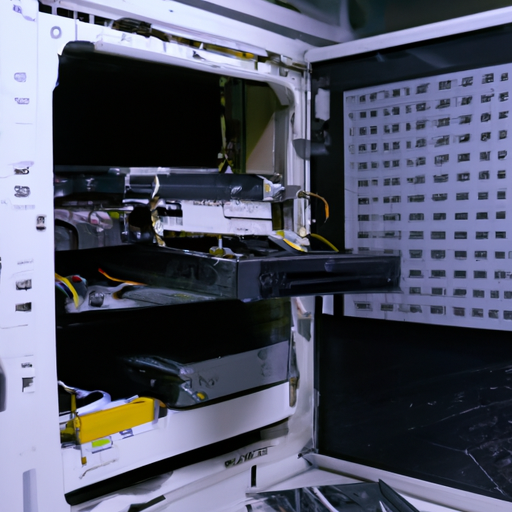
Secure Computer Disposal
“Securely Dispose of Your Old Computers – Protect Your Data and the Environment!”
Secure computer disposal is an important process for businesses and organizations that need to dispose of their old computers and other electronic equipment. It is important to ensure that all data is securely erased and that the equipment is disposed of in an environmentally friendly manner. This process helps to protect the organization from data breaches and other security risks. It also helps to protect the environment by reducing the amount of electronic waste that is sent to landfills. This article will discuss the importance of secure computer disposal and provide tips on how to properly dispose of old computers and other electronic equipment.
The Benefits of Secure Computer Disposal for Businesses
Secure computer disposal is an important part of any business’s IT security strategy. It is essential for businesses to ensure that their data is securely disposed of when it is no longer needed. This is especially true for businesses that handle sensitive customer information or confidential business data. Secure computer disposal helps to protect businesses from data breaches, identity theft, and other security threats.
Secure computer disposal involves the destruction of all data stored on a computer or other electronic device. This includes hard drives, memory cards, and other storage media. The data is destroyed in a way that makes it impossible to recover. This ensures that any confidential information stored on the device is completely destroyed and cannot be accessed by unauthorized individuals.
Secure computer disposal also helps businesses protect their reputation. If a business’s data is not securely disposed of, it could be accessed by hackers or other malicious actors. This could lead to the theft of customer information or confidential business data, which could damage the business’s reputation and lead to costly legal action.
Secure computer disposal also helps businesses save money. By securely disposing of their data, businesses can avoid the costs associated with data breaches, such as fines, legal fees, and reputational damage. Additionally, securely disposing of data can help businesses save money on storage costs, as they will no longer need to store data that is no longer needed.
Finally, secure computer disposal helps businesses comply with data protection regulations. Many countries have laws that require businesses to securely dispose of data when it is no longer needed. Failing to comply with these regulations can result in hefty fines and other penalties.
In conclusion, secure computer disposal is an essential part of any business’s IT security strategy. It helps businesses protect their data, reputation, and finances, as well as comply with data protection regulations. By securely disposing of their data, businesses can ensure that their confidential information is not accessed by unauthorized individuals.
How to Ensure Secure Computer Disposal for Your Organization
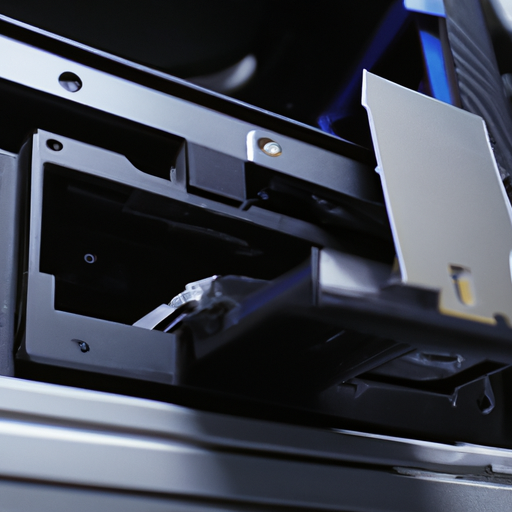
Secure computer disposal is an important part of any organization’s data security strategy. It is essential to ensure that all data stored on computers is securely destroyed before the computers are disposed of. This article will provide guidance on how to ensure secure computer disposal for your organization.
First, it is important to ensure that all data stored on the computers is securely destroyed. This can be done by using a secure data destruction service. This service will use specialized software to overwrite the data on the hard drive, making it impossible to recover. It is also important to ensure that all removable media, such as USB drives, CDs, and DVDs, are securely destroyed.
Second, it is important to ensure that the computers are physically destroyed. This can be done by using a computer shredding service. This service will use specialized equipment to shred the computers into small pieces, making it impossible to reassemble them.
Third, it is important to ensure that the computers are disposed of in an environmentally responsible manner. This can be done by using a computer recycling service. This service will ensure that the computers are recycled in an environmentally responsible manner, and that any hazardous materials, such as lead, are disposed of properly.
Finally, it is important to ensure that all data stored on the computers is securely destroyed before the computers are disposed of. This can be done by using a secure data destruction service. This service will use specialized software to overwrite the data on the hard drive, making it impossible to recover.
By following these steps, organizations can ensure that their computers are securely disposed of and that all data stored on them is securely destroyed. This will help to protect the organization’s data and ensure that it is not compromised.
The Risks of Improper Computer Disposal and How to Avoid Them
The improper disposal of computers can have serious consequences for both the environment and the safety of individuals. Computers contain hazardous materials such as lead, mercury, and cadmium, which can be released into the environment if not disposed of properly. In addition, computers contain sensitive data that can be accessed by criminals if not properly destroyed. To avoid these risks, it is important to take the necessary steps to ensure that computers are disposed of in a safe and secure manner.
First, it is important to ensure that all data is securely erased from the computer before disposal. This can be done by using a data destruction program or by physically destroying the hard drive. It is also important to remove any removable media such as CDs, DVDs, and USB drives. Once the data has been securely erased, the computer should be recycled or donated to a responsible organization.
Second, it is important to ensure that the computer is disposed of in an environmentally responsible manner. Computers contain hazardous materials such as lead, mercury, and cadmium, which can be released into the environment if not disposed of properly. To avoid this, it is important to find a certified e-waste recycler who can safely dispose of the computer.
Finally, it is important to ensure that the computer is disposed of in a secure manner. Computers contain sensitive data that can be accessed by criminals if not properly destroyed. To avoid this, it is important to ensure that the computer is securely packaged and shipped to a certified e-waste recycler.
By taking the necessary steps to ensure that computers are disposed of in a safe and secure manner, individuals can avoid the risks associated with improper computer disposal. By securely erasing all data, recycling or donating the computer to a responsible organization, and securely shipping the computer to a certified e-waste recycler, individuals can help protect the environment and their own safety.
Conclusion
Secure computer disposal is an important part of protecting data and preventing unauthorized access to sensitive information. By properly disposing of computers, organizations can ensure that their data is not compromised and that their systems remain secure. By following best practices for secure computer disposal, organizations can protect their data and maintain the security of their systems.
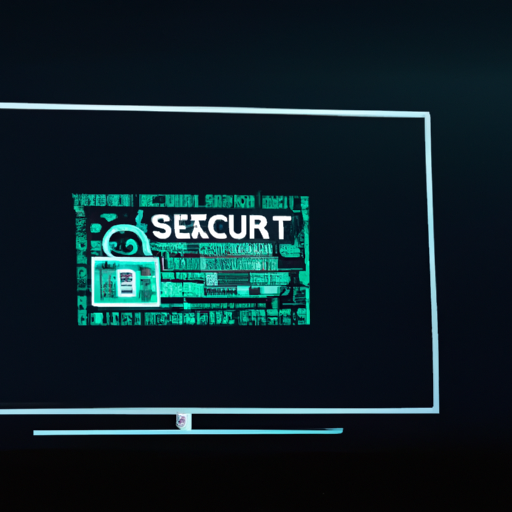
“Secure Data Deletion: Protecting Your Privacy, One File at a Time.”
Introduction
Secure data deletion is an important process for any organization that handles sensitive data. It involves the permanent removal of data from a system or storage device in order to protect the privacy of individuals and organizations. Secure data deletion is essential for organizations to ensure that their data is not accessible to unauthorized individuals or organizations. It is also important for organizations to ensure that their data is not vulnerable to malicious attacks or data breaches. Secure data deletion can be achieved through a variety of methods, including physical destruction, software-based deletion, and encryption. This article will discuss the importance of secure data deletion and the various methods that can be used to achieve it.
The Benefits of Secure Data Deletion for Businesses
Secure data deletion is an important part of any business’s data security strategy. It is the process of permanently erasing data from a computer or storage device so that it cannot be recovered. This is especially important for businesses that handle sensitive customer information, such as financial or medical records. By using secure data deletion, businesses can protect their customers’ data and ensure that it is not misused or accessed by unauthorized individuals.
Secure data deletion is a critical component of any data security strategy. It helps to protect customer data from being accessed by unauthorized individuals, as well as from being misused or stolen. By permanently erasing data, businesses can ensure that customer information is not accessible to anyone who should not have access to it. This helps to protect customer privacy and reduce the risk of data breaches.
Secure data deletion also helps businesses to comply with data privacy regulations. Many countries have laws that require businesses to delete customer data when it is no longer needed. By using secure data deletion, businesses can ensure that they are in compliance with these regulations and avoid potential fines or other penalties.
Secure data deletion also helps businesses to save money. By permanently erasing data, businesses can avoid the costs associated with storing and managing large amounts of data. This can help businesses to reduce their storage costs and free up resources for other activities.
Finally, secure data deletion helps businesses to protect their reputation. By ensuring that customer data is securely deleted, businesses can demonstrate to their customers that they take data security seriously and are committed to protecting their customers’ data. This can help to build trust and loyalty with customers, which can lead to increased sales and customer retention.
In summary, secure data deletion is an important part of any business’s data security strategy. It helps to protect customer data from being accessed by unauthorized individuals, comply with data privacy regulations, save money, and protect a business’s reputation. By using secure data deletion, businesses can ensure that their customers’ data is safe and secure.
How to Implement Secure Data Deletion in Your Organization

Data security is a critical concern for any organization. As such, it is important to ensure that data is securely deleted when it is no longer needed. Implementing secure data deletion in an organization can help protect sensitive information and reduce the risk of data breaches.
The first step in implementing secure data deletion is to create a data retention policy. This policy should outline the types of data that should be retained, how long it should be retained, and when it should be securely deleted. This policy should be reviewed and updated regularly to ensure that it is up to date with the organization’s data security needs.
The next step is to ensure that all data is securely deleted when it is no longer needed. This can be done by using secure deletion software, which overwrites the data multiple times to ensure that it is completely erased. It is also important to ensure that all data is backed up before it is deleted, so that it can be recovered if necessary.
It is also important to ensure that all employees are aware of the data retention policy and the importance of securely deleting data. This can be done through training sessions and regular reminders. Additionally, it is important to ensure that all employees have access to the necessary tools and resources to securely delete data.
Finally, it is important to monitor the organization’s data security practices to ensure that data is being securely deleted when it is no longer needed. This can be done through regular audits and reviews of the organization’s data security practices.
By implementing secure data deletion in an organization, organizations can help protect sensitive information and reduce the risk of data breaches. By creating a data retention policy, securely deleting data, educating employees, and monitoring data security practices, organizations can ensure that their data is secure.
Understanding the Different Types of Secure Data Deletion Solutions
Secure data deletion solutions are essential for organizations that need to protect sensitive information from unauthorized access. These solutions provide a way to permanently delete data from a system, ensuring that it cannot be recovered or accessed by anyone other than the intended user. There are several different types of secure data deletion solutions available, each with its own advantages and disadvantages.
The first type of secure data deletion solution is physical destruction. This involves physically destroying the storage device, such as a hard drive, that contains the data. This is the most secure method of data deletion, as it ensures that the data cannot be recovered or accessed in any way. However, it is also the most expensive and time-consuming option, as it requires specialized equipment and personnel to carry out the destruction.
The second type of secure data deletion solution is software-based. This involves using specialized software to overwrite the data on the storage device, making it impossible to recover. This is a much faster and cheaper option than physical destruction, but it is not as secure as physical destruction, as the data can still be recovered in some cases.
The third type of secure data deletion solution is hardware-based. This involves using specialized hardware, such as a degausser, to erase the data from the storage device. This is a more secure option than software-based solutions, as it is more difficult to recover the data. However, it is also more expensive and time-consuming than software-based solutions.
Finally, the fourth type of secure data deletion solution is cloud-based. This involves using cloud storage services to store the data, which is then securely deleted when the user no longer needs it. This is the most secure option, as the data is stored in an encrypted format and is not accessible to anyone other than the user. However, it is also the most expensive option, as cloud storage services typically charge a fee for their services.
Secure data deletion solutions are essential for organizations that need to protect sensitive information from unauthorized access. Each type of solution has its own advantages and disadvantages, so it is important to consider all of the options before making a decision.
Conclusion
Secure data deletion is an important part of data security and privacy. It ensures that data is completely removed from a system and cannot be recovered. It is important to use secure data deletion methods to ensure that data is not accessible to unauthorized users. Additionally, organizations should have policies in place to ensure that data is securely deleted when it is no longer needed. By taking these steps, organizations can ensure that their data is secure and protected from unauthorized access.

“Reuse, Recycle, Reimagine: Computer Remarketing for a Greener Future”
Introduction
Computer remarketing is the process of reselling used computers and other electronic equipment. It is a great way to save money and help the environment by reducing the amount of electronic waste. Remarketing can be done by individuals, businesses, or organizations. It involves refurbishing, testing, and reselling used computers and other electronic equipment. This process can help to extend the life of the equipment and provide a cost-effective alternative to buying new. It also helps to reduce the amount of electronic waste that is sent to landfills. Computer remarketing is a great way to save money and help the environment.
The Benefits of Computer Remarketing for Businesses
Computer remarketing is a cost-effective and efficient way for businesses to acquire the technology they need. By purchasing used or refurbished computers, businesses can save money while still obtaining the technology they need to remain competitive. This article will discuss the benefits of computer remarketing for businesses.
First, computer remarketing allows businesses to save money. By purchasing used or refurbished computers, businesses can save up to 50% or more off the cost of new computers. This can be especially beneficial for businesses that are on a tight budget or need to purchase a large number of computers. Additionally, businesses can save money on maintenance and repair costs since used computers are often more reliable than new ones.
Second, computer remarketing allows businesses to acquire the latest technology. By purchasing used or refurbished computers, businesses can obtain the latest technology without having to pay the full price of a new computer. This can be especially beneficial for businesses that need to stay up-to-date with the latest technology but cannot afford to purchase new computers.
Third, computer remarketing allows businesses to reduce their environmental impact. By purchasing used or refurbished computers, businesses can reduce their carbon footprint and help conserve natural resources. Additionally, businesses can reduce their waste by purchasing used computers instead of new ones.
Finally, computer remarketing allows businesses to support local businesses. By purchasing used or refurbished computers from local businesses, businesses can help support their local economy and create jobs. Additionally, businesses can help reduce the amount of e-waste in their local area by purchasing used computers instead of new ones.
In conclusion, computer remarketing is a cost-effective and efficient way for businesses to acquire the technology they need. By purchasing used or refurbished computers, businesses can save money while still obtaining the latest technology. Additionally, businesses can reduce their environmental impact and support local businesses. For these reasons, computer remarketing is an excellent option for businesses looking to acquire the technology they need.
How to Choose the Right Computer Remarketing Company

When it comes to choosing the right computer remarketing company, there are a few key factors to consider. First, it is important to determine the company’s reputation and track record. Research the company’s history and customer reviews to ensure that they have a good reputation and have been successful in the past.
Second, consider the company’s services. What types of services do they offer? Do they specialize in a particular type of computer remarketing? Are they able to provide a wide range of services? Make sure that the company is able to meet your specific needs.
Third, consider the company’s pricing. Make sure that the company is offering competitive prices and that they are able to provide the services you need at a reasonable cost.
Finally, consider the company’s customer service. Make sure that the company is able to provide prompt and helpful customer service. Ask questions and make sure that the company is willing to answer them in a timely manner.
By taking the time to research and consider these factors, you can ensure that you choose the right computer remarketing company for your needs.
The Pros and Cons of Computer Remarketing for Consumers
Computer remarketing is the process of reselling used computers and other electronic devices. It is a popular option for consumers who are looking for a cost-effective way to purchase a computer or other electronic device. While there are many advantages to computer remarketing, there are also some potential drawbacks that consumers should be aware of before making a purchase.
Pros
The primary benefit of computer remarketing is cost savings. Used computers and other electronic devices are typically much less expensive than new ones, making them an attractive option for budget-conscious consumers. Additionally, many computer remarketing companies offer warranties and other services that can help protect the consumer’s investment.
Another advantage of computer remarketing is that it is an environmentally friendly option. By purchasing a used computer or other electronic device, consumers are helping to reduce the amount of electronic waste that is produced each year.
Cons
One potential downside of computer remarketing is that the quality of the product may not be as good as a new one. Used computers and other electronic devices may have been used for a long time and may not be as reliable as a new one. Additionally, some computer remarketing companies may not offer the same level of customer service as a new computer retailer.
Another potential drawback of computer remarketing is that the selection of products may be limited. Many computer remarketing companies specialize in certain types of products, so consumers may not be able to find the exact model or brand they are looking for.
In conclusion, computer remarketing can be a great option for consumers who are looking for a cost-effective way to purchase a computer or other electronic device. However, it is important to be aware of the potential drawbacks before making a purchase. By weighing the pros and cons, consumers can make an informed decision that best meets their needs.
Conclusion
Computer remarketing is an effective way to reduce e-waste and help the environment. It also provides a cost-effective way for businesses and individuals to acquire the technology they need. By purchasing used computers, businesses and individuals can save money while still getting the technology they need. Additionally, computer remarketing helps to reduce the amount of e-waste that is produced, which is beneficial for the environment. Overall, computer remarketing is a great way to save money and help the environment.
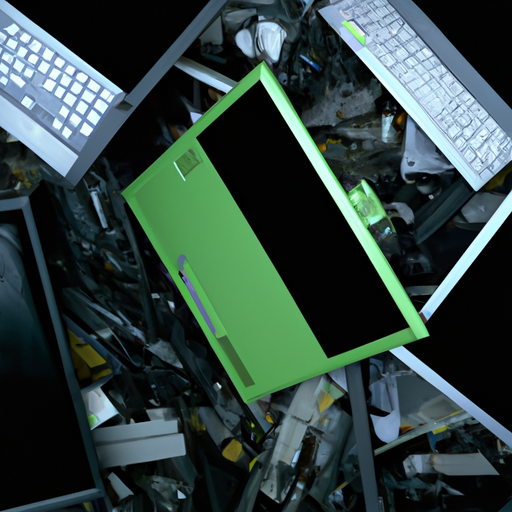
“Securely Recycle Your Old Computers – Protect Your Data and the Environment!”
Introduction
Secure computer recycling is an important process for businesses and individuals alike. It ensures that all data stored on computers is securely destroyed and that the components of the computer are recycled in an environmentally friendly manner. It also helps to reduce the amount of electronic waste that is sent to landfills. Secure computer recycling is a process that should be taken seriously, as it can help to protect the environment and the data stored on computers.
The Benefits of Secure Computer Recycling for Businesses
Secure computer recycling is an important practice for businesses of all sizes. By properly disposing of outdated or unwanted computer equipment, businesses can protect their data and the environment while also saving money. Here are some of the key benefits of secure computer recycling for businesses.
Data Protection: One of the most important benefits of secure computer recycling is the protection of sensitive data. When businesses dispose of their computers and other electronic equipment, they must ensure that all data is securely wiped from the device. This prevents the data from falling into the wrong hands and being used for malicious purposes.
Environmental Protection: Secure computer recycling also helps to protect the environment. By recycling computers and other electronic equipment, businesses can reduce the amount of waste that is sent to landfills. This helps to reduce the amount of hazardous materials that are released into the environment.
Cost Savings: Secure computer recycling can also help businesses save money. By recycling their computers and other electronic equipment, businesses can avoid the costs associated with purchasing new equipment. This can help businesses save money on their IT budgets.
Secure computer recycling is an important practice for businesses of all sizes. By properly disposing of outdated or unwanted computer equipment, businesses can protect their data, the environment, and their bottom line.
How to Ensure Secure Computer Recycling for Your Organization
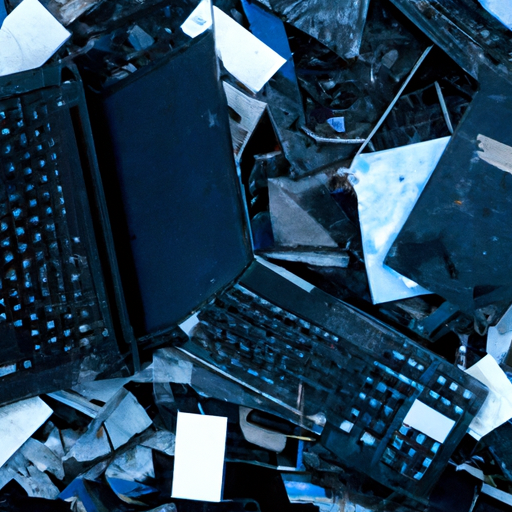
Computer recycling is an important part of any organization’s sustainability efforts. However, it is also important to ensure that the recycling process is secure and compliant with all applicable laws and regulations. Here are some tips to help ensure secure computer recycling for your organization:
1. Choose a reputable recycling partner. When selecting a recycling partner, make sure to do your research. Look for a partner that is certified by the e-Stewards Initiative, which is a global standard for responsible recycling and reuse of electronic equipment.
2. Ensure data security. Before sending any computers to be recycled, make sure to securely erase all data from the hard drives. This can be done using software or by physically destroying the hard drives.
3. Follow applicable laws and regulations. Make sure to comply with all applicable laws and regulations related to computer recycling. This includes laws related to hazardous materials, data privacy, and environmental protection.
4. Track the recycling process. Make sure to track the recycling process from start to finish. This includes tracking the chain of custody of the computers and ensuring that they are recycled in a responsible manner.
By following these tips, you can help ensure secure computer recycling for your organization. Doing so will help protect your data, comply with applicable laws and regulations, and contribute to a more sustainable future.
The Risks of Unsecure Computer Recycling and How to Avoid Them
Computer recycling is an important part of protecting the environment and reducing the amount of electronic waste that is sent to landfills. However, if done improperly, computer recycling can also put your personal data at risk. Unsecure computer recycling can lead to identity theft, data breaches, and other security risks. To protect yourself and your data, it is important to understand the risks of unsecure computer recycling and how to avoid them.
One of the most common risks of unsecure computer recycling is identity theft. When you recycle a computer, you may think that all of your data has been erased. However, if the recycling process is not done properly, your personal information may still be accessible. This can include passwords, financial information, and other sensitive data. If this data falls into the wrong hands, it can be used to commit identity theft and other forms of fraud.
Another risk of unsecure computer recycling is data breaches. When a computer is recycled, the hard drive may still contain sensitive data. If the hard drive is not properly wiped or destroyed, this data can be accessed by anyone who has access to the recycled computer. This can lead to a data breach, which can have serious consequences for both individuals and businesses.
Finally, unsecure computer recycling can also lead to security risks. If the recycling process is not done properly, the computer may still contain malware or other malicious software. This can be used to gain access to your personal data or to infect other computers.
Fortunately, there are steps you can take to protect yourself and your data when recycling a computer. First, make sure to back up all of your data before recycling the computer. This will ensure that your data is safe even if the recycling process is not done properly.
Second, make sure to wipe the hard drive before recycling the computer. This will ensure that all of your data is erased and cannot be accessed by anyone else. You can use a program such as DBAN to securely wipe the hard drive.
Finally, make sure to use a reputable computer recycling service. A reputable service will ensure that all of your data is securely wiped and that the computer is recycled in an environmentally-friendly manner.
By following these steps, you can ensure that your data is safe and that your computer is recycled in a secure and responsible manner. Unsecure computer recycling can lead to serious security risks, but by taking the proper precautions, you can protect yourself and your data.
Conclusion
Secure computer recycling is an important part of the modern world. It helps to ensure that our environment is protected from the hazardous materials found in computers and other electronic devices. It also helps to ensure that our data is kept safe and secure. By recycling our computers, we can help to reduce the amount of waste that is produced and help to protect our environment.
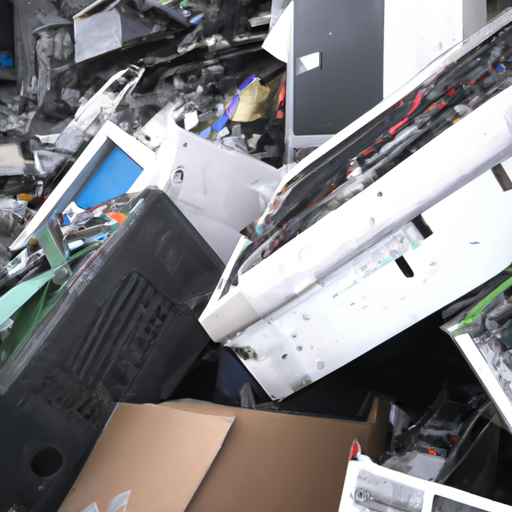
“Recycle Responsibly with Electronic Recycling Perth – Protecting Our Planet, One Device at a Time!”
Introduction
Electronic Recycling Perth is a leading provider of electronic waste management and recycling services in Perth, Western Australia. We specialize in the safe and responsible disposal of all types of electronic waste, including computers, laptops, tablets, mobile phones, televisions, and other electronic devices. Our team of experienced professionals is dedicated to providing the highest quality of service to our customers, ensuring that all electronic waste is recycled in an environmentally responsible manner. We are committed to helping our customers reduce their environmental impact and create a more sustainable future.
The Benefits of Electronic Recycling in Perth: How It Can Help the Environment and Your Business
Electronic recycling in Perth is becoming increasingly popular as businesses and individuals become more aware of the environmental benefits of recycling. Electronic waste, or e-waste, is a growing problem in Australia, with an estimated 6.7 million tonnes of e-waste generated in 2019 alone. This waste contains hazardous materials such as lead, mercury, and cadmium, which can be released into the environment if not disposed of properly.
Electronic recycling in Perth is a great way to help reduce the amount of e-waste that ends up in landfill. By recycling your old electronics, you can help to reduce the amount of hazardous materials that are released into the environment. Additionally, recycling your electronics can help to reduce the amount of energy and resources needed to produce new electronics. This can help to reduce your business’s carbon footprint and contribute to a more sustainable future.
In addition to helping the environment, electronic recycling in Perth can also benefit your business. By recycling your old electronics, you can help to reduce the amount of money you spend on purchasing new electronics. Additionally, recycling your electronics can help to reduce the amount of space needed to store them, freeing up valuable storage space for other items.
Finally, electronic recycling in Perth can help to create jobs in the local community. By recycling your electronics, you can help to create jobs for people who are employed in the recycling industry. This can help to stimulate the local economy and create a more sustainable future for everyone.
Overall, electronic recycling in Perth is a great way to help the environment and your business. By recycling your old electronics, you can help to reduce the amount of hazardous materials released into the environment, reduce the amount of energy and resources needed to produce new electronics, and create jobs in the local community. By taking part in electronic recycling in Perth, you can help to create a more sustainable future for everyone.
How to Find a Responsible Electronic Recycling Company in Perth
Finding a responsible electronic recycling company in Perth can be a daunting task. It is important to ensure that the company you choose is reliable and trustworthy, as well as compliant with all relevant environmental regulations. Here are some tips to help you find a responsible electronic recycling company in Perth:
1. Research the company: Before you choose a company, it is important to do your research. Check the company’s website for information about their services, certifications, and any customer reviews. You should also contact the company directly to ask any questions you may have.
2. Check for certifications: Responsible electronic recycling companies should have certifications from relevant environmental organisations. These certifications demonstrate that the company is compliant with all relevant environmental regulations.
3. Ask about their processes: Ask the company about their processes for recycling electronics. They should be able to provide detailed information about how they handle the recycling process, including how they ensure that all data is securely wiped from the devices.
4. Check for references: Ask the company for references from previous customers. This will give you an idea of the quality of their services and how reliable they are.
By following these tips, you can be sure that you are choosing a responsible electronic recycling company in Perth. Doing your research and asking the right questions will help you find a company that is reliable and trustworthy.
The Latest Developments in Electronic Recycling in Perth: What You Need to Know
The world is becoming increasingly aware of the need to reduce waste and recycle materials, and electronic recycling is no exception. In Perth, Australia, the latest developments in electronic recycling are making it easier than ever to responsibly dispose of unwanted electronics.
The first step in electronic recycling is to identify what type of electronics you have. This includes computers, laptops, tablets, phones, and other electronic devices. Once you have identified the type of electronics you have, you can then take them to a local recycling centre. In Perth, there are several recycling centres that accept electronic waste, including the City of Perth Recycling Centre, the City of Fremantle Recycling Centre, and the City of Joondalup Recycling Centre.
Once you have taken your electronics to a recycling centre, they will be sorted and assessed. Depending on the type of electronics, they may be recycled, refurbished, or reused. Recycling involves breaking down the electronics into their component parts and then separating them into different materials. These materials are then recycled into new products. Refurbishing involves repairing and restoring electronics to a usable condition. Reusing involves donating electronics to charities or other organisations.
In addition to recycling centres, there are also several companies in Perth that specialise in electronic recycling. These companies provide a range of services, including data destruction, asset recovery, and secure disposal. They also offer collection services for businesses and households.
The latest developments in electronic recycling in Perth are making it easier than ever to responsibly dispose of unwanted electronics. By taking advantage of these services, you can help reduce waste and protect the environment.
Conclusion
Electronic Recycling Perth is a great way to help reduce the amount of electronic waste that ends up in landfills. By recycling your old electronics, you can help reduce the amount of hazardous materials that can be released into the environment. Additionally, you can help reduce the amount of energy and resources needed to produce new electronics. Electronic Recycling Perth is a great way to help protect the environment and ensure that our planet remains healthy for future generations.
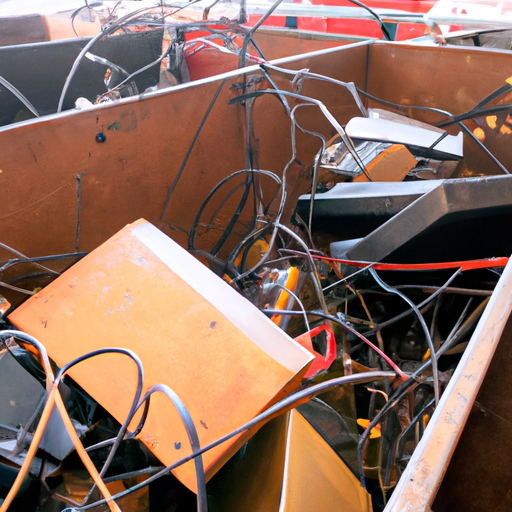
“Recycle E Waste Near Me: Making the World Greener, One Step at a Time!”
Introduction
Recycle E Waste Near Me is an online platform that helps people find local recycling centers for their electronic waste. It provides a comprehensive list of recycling centers in the United States and Canada, as well as information about what types of e-waste each center accepts. The platform also offers tips and advice on how to properly dispose of e-waste, and how to find the best recycling centers in your area. With Recycle E Waste Near Me, you can easily find a recycling center near you and help reduce the amount of e-waste that ends up in landfills.
The Benefits of Recycling E-Waste Near Me: How to Find a Local Recycling Center
Recycling e-waste is an important part of protecting the environment and conserving natural resources. Electronic waste, or e-waste, is any discarded electronic device or component that is no longer in use. This includes computers, televisions, cell phones, and other electronic items. Unfortunately, many of these items end up in landfills, where they can leach hazardous materials into the soil and water.
Fortunately, there are many local recycling centers that accept e-waste for recycling. Recycling e-waste helps to reduce the amount of hazardous materials that end up in landfills, and it also helps to conserve natural resources. By recycling e-waste, valuable materials such as copper, aluminum, and plastic can be reused in the production of new products.
If you are looking for a local recycling center to recycle your e-waste, there are a few steps you can take. First, you can search online for local recycling centers that accept e-waste. Many cities and towns have websites that list local recycling centers and their services. You can also contact your local government or waste management department to find out if there are any local recycling centers that accept e-waste.
Another option is to contact local electronics stores or repair shops. Many of these stores and shops accept e-waste for recycling. You can also check with your local waste management department to see if they offer any e-waste recycling services.
Finally, you can check with your local recycling centers to see if they accept e-waste. Many recycling centers have special programs for recycling e-waste. These programs may include free pickup services or discounts on recycling fees.
By recycling e-waste, you can help to protect the environment and conserve natural resources. Finding a local recycling center to recycle your e-waste is easy and can help to make a positive impact on the environment.
How to Properly Dispose of E-Waste Near Me: What to Look for in a Recycling Center
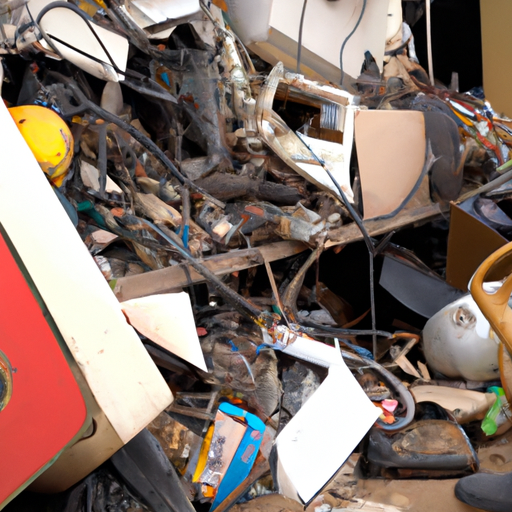
When it comes to disposing of e-waste, it is important to find a recycling center that is reliable and trustworthy. Here are some tips to help you find the right recycling center near you:
1. Check for certifications: Look for a recycling center that is certified by the Environmental Protection Agency (EPA) or other reputable organizations. This will ensure that the center is following proper safety and disposal protocols.
2. Ask about their processes: Make sure to ask the recycling center about their processes for disposing of e-waste. This will help you understand how they handle the materials and ensure that they are being disposed of properly.
3. Research their reputation: Do some research to find out what other people have to say about the recycling center. Look for reviews online or ask around to get a better idea of their reputation.
4. Ask about their fees: Make sure to ask the recycling center about their fees for disposing of e-waste. This will help you determine if the cost is worth it for the services they provide.
By following these tips, you can find a reliable and trustworthy recycling center near you to properly dispose of your e-waste. Doing so will help protect the environment and ensure that your e-waste is disposed of in a safe and responsible manner.
The Impact of Recycling E-Waste Near Me: How to Make a Difference in Your Community
Recycling e-waste near you is an important way to make a difference in your community. E-waste, or electronic waste, is any discarded electronic device or component, such as computers, televisions, cell phones, and other electronic items. It is estimated that over 50 million tons of e-waste are generated each year, and only about 20% of it is recycled.
The impact of recycling e-waste near you can be significant. By recycling e-waste, you can help reduce the amount of hazardous materials that are released into the environment. E-waste contains a variety of toxic materials, such as lead, mercury, and cadmium, which can be harmful to both human health and the environment. Recycling e-waste also helps conserve natural resources, as it reduces the need to extract new materials from the earth.
There are several ways to make a difference in your community by recycling e-waste. One way is to donate your old electronics to a local charity or organization. Many charities and organizations accept donations of used electronics, which they can then refurbish and resell or donate to those in need. This helps reduce the amount of e-waste that ends up in landfills.
Another way to make a difference in your community is to participate in e-waste recycling events. Many cities and towns host e-waste recycling events, where residents can bring their old electronics to be recycled. These events are a great way to help reduce the amount of e-waste in your community.
Finally, you can also look for local businesses that offer e-waste recycling services. Many businesses offer e-waste recycling services, which can help reduce the amount of e-waste in your community.
Recycling e-waste near you is an important way to make a difference in your community. By donating your old electronics, participating in e-waste recycling events, and looking for local businesses that offer e-waste recycling services, you can help reduce the amount of hazardous materials released into the environment and conserve natural resources.
Conclusion
Recycle E Waste Near Me is a great resource for anyone looking to responsibly dispose of their electronic waste. It provides a convenient way to find local recycling centers and offers helpful tips on how to properly recycle e-waste. By using this service, we can help reduce the amount of e-waste that ends up in landfills and ensure that our electronics are recycled in an environmentally friendly manner.
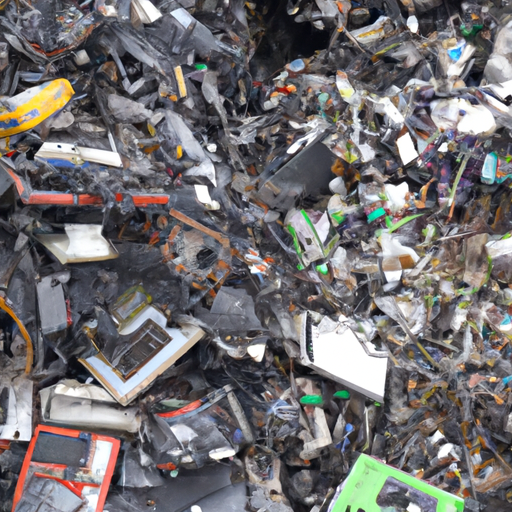
“Recycle Responsibly – Electronics Recycling Near Me!”
Introduction
Electronics recycling near me is an important part of keeping our environment clean and safe. With the ever-increasing amount of electronic waste being produced, it is essential to find ways to properly dispose of these items. Electronics recycling near me provides a convenient and responsible way to dispose of unwanted electronics. By recycling electronics, we can help reduce the amount of hazardous materials that end up in landfills and help conserve natural resources. Additionally, recycling electronics can help create jobs and stimulate the economy. With the right resources, electronics recycling near me can be a great way to help protect our environment and create a more sustainable future.
The Benefits of Electronics Recycling Near Me: How to Find a Local Recycling Center
Electronics recycling is an important part of protecting the environment and conserving natural resources. By recycling electronics, we can reduce the amount of hazardous materials that end up in landfills and reduce the amount of energy used to manufacture new products. Fortunately, there are many local electronics recycling centers that can help you responsibly dispose of your old electronics.
The first step in finding a local electronics recycling center is to do an online search. Many cities and towns have their own recycling centers, and you can often find information about them on the city or town website. You can also search for “electronics recycling near me” to find a list of local centers. Additionally, many electronics retailers, such as Best Buy, offer recycling services for their customers.
Once you’ve identified a few local centers, you should contact them to find out what types of electronics they accept and what fees, if any, they charge. Some centers may accept all types of electronics, while others may only accept certain items. Additionally, some centers may charge a fee for certain items, such as televisions or computer monitors.
When you’re ready to drop off your electronics, make sure to bring any necessary cords or accessories. Additionally, you should make sure to back up any important data from your electronics before dropping them off.
By recycling your electronics, you can help protect the environment and conserve natural resources. With a little research, you can easily find a local electronics recycling center near you.
How to Properly Dispose of Your Old Electronics: What to Look for in an Electronics Recycling Near Me Service
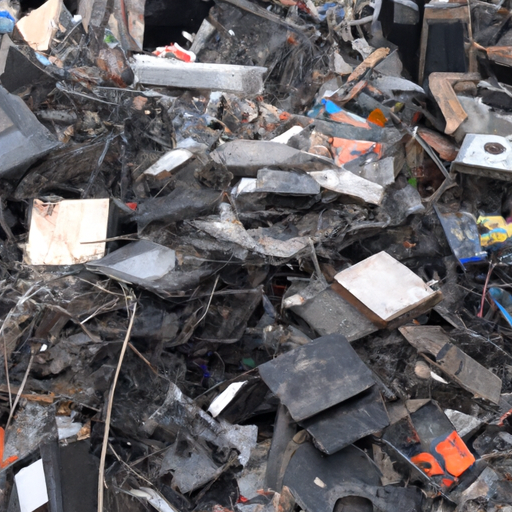
When it comes to disposing of old electronics, it is important to ensure that the items are recycled in a safe and responsible manner. To ensure that your electronics are recycled properly, it is important to look for an electronics recycling near me service that meets certain criteria.
First and foremost, it is important to ensure that the electronics recycling near me service is certified by a reputable organization. This certification will ensure that the service is following all applicable laws and regulations regarding the safe disposal of electronics. Additionally, it is important to make sure that the service is properly insured and bonded. This will provide additional protection in the event of any accidents or damages that may occur during the recycling process.
It is also important to make sure that the electronics recycling near me service is properly equipped to handle the items that you are disposing of. The service should have the necessary equipment to safely and securely handle the items, as well as the expertise to properly dispose of them. Additionally, the service should be able to provide you with a detailed list of the items that they are able to accept for recycling.
Finally, it is important to make sure that the electronics recycling near me service is transparent about their processes and fees. The service should be able to provide you with a clear breakdown of the fees associated with the recycling process, as well as any additional services that may be available. Additionally, the service should be able to provide you with a detailed explanation of the recycling process, including any safety measures that are taken to ensure that the items are recycled in a safe and responsible manner.
By following these guidelines, you can ensure that your old electronics are recycled in a safe and responsible manner. By finding an electronics recycling near me service that meets these criteria, you can rest assured that your items will be recycled in a manner that is both safe and responsible.
The Impact of Electronics Recycling Near Me: How to Reduce Your Carbon Footprint and Help the Environment
Electronics recycling is an important part of reducing our carbon footprint and helping the environment. By recycling electronics, we can reduce the amount of waste that is sent to landfills and help conserve natural resources. Additionally, recycling electronics can help reduce the amount of hazardous materials that are released into the environment.
When it comes to recycling electronics, it is important to find a reliable and responsible recycling center near you. Many cities and towns have local electronics recycling centers that accept a variety of electronics, including computers, televisions, and cell phones. Additionally, many retailers, such as Best Buy, offer free electronics recycling services. It is important to research the recycling center you choose to ensure that they are properly disposing of the electronics in an environmentally friendly manner.
When recycling electronics, it is important to properly prepare them for recycling. This includes removing any personal data from the device, such as photos, documents, and passwords. Additionally, it is important to remove any batteries or other hazardous materials from the device before recycling. This will help ensure that the device is recycled in a safe and responsible manner.
By recycling electronics, we can help reduce our carbon footprint and help the environment. Additionally, recycling electronics can help conserve natural resources and reduce the amount of hazardous materials that are released into the environment. By finding a reliable and responsible recycling center near you, you can help make a positive impact on the environment.
Conclusion
Electronics recycling near me is an important part of keeping our environment clean and safe. It helps to reduce the amount of electronic waste that ends up in landfills and helps to conserve natural resources. By recycling electronics, we can help to reduce the amount of hazardous materials that are released into the environment. Additionally, recycling electronics can help to create jobs and stimulate the economy. Therefore, it is important to find a reliable electronics recycling near me to ensure that our electronics are recycled responsibly.