
“Recycle IT, Reuse IT, Reduce IT – A Sustainable Future for Primary Schools!”
Introduction
IT Recycling for Primary Schools is an important part of ensuring that our children have access to the latest technology and that our environment is protected from the harmful effects of electronic waste. It is essential that primary schools have a plan in place to ensure that their IT equipment is recycled responsibly and safely. This guide will provide an overview of the benefits of IT recycling for primary schools, the steps involved in the process, and the resources available to help schools get started.
The Benefits of IT Recycling for Primary Schools: How to Maximize Cost Savings and Environmental Impact.
Recycling IT equipment is an important part of any school’s sustainability efforts. Not only does it help reduce the environmental impact of disposing of electronic waste, but it can also help schools save money. For primary schools, IT recycling can be especially beneficial, as it can help them maximize cost savings and environmental impact.
One of the primary benefits of IT recycling for primary schools is cost savings. By recycling IT equipment, schools can avoid the costs associated with purchasing new equipment. Additionally, recycling can help schools save money on disposal fees, as many recycling centers offer free or discounted services for schools. Furthermore, recycling can help schools reduce their energy costs, as recycled equipment often uses less energy than new equipment.
Another benefit of IT recycling for primary schools is environmental impact. By recycling IT equipment, schools can help reduce the amount of electronic waste that ends up in landfills. Additionally, recycling can help reduce the amount of hazardous materials that are released into the environment. Furthermore, recycling can help reduce the amount of energy used to manufacture new equipment, which can help reduce greenhouse gas emissions.
In order to maximize the cost savings and environmental impact of IT recycling, primary schools should take a few steps. First, they should research local recycling centers to find the best deals on recycling services. Additionally, they should consider donating any usable equipment to local charities or organizations. Finally, they should ensure that all equipment is properly disposed of, as improper disposal can lead to environmental contamination.
By taking advantage of IT recycling, primary schools can help reduce their costs and environmental impact. By researching local recycling centers, donating usable equipment, and properly disposing of all equipment, schools can maximize the benefits of IT recycling. In doing so, they can help ensure a more sustainable future for their students and the environment.
How to Implement an Effective IT Recycling Program in Your Primary School.

Implementing an effective IT recycling program in a primary school is an important step in promoting sustainability and reducing the environmental impact of technology. By recycling old and unused IT equipment, schools can help reduce the amount of electronic waste that ends up in landfills. Additionally, schools can benefit from the financial savings associated with recycling IT equipment.
This guide outlines the steps necessary to implement an effective IT recycling program in a primary school.
Step 1: Establish a Recycling Policy
The first step in implementing an effective IT recycling program is to establish a recycling policy. This policy should outline the school’s commitment to recycling IT equipment and provide guidance on how to properly dispose of old and unused IT equipment. The policy should also include information on who is responsible for the collection and disposal of IT equipment.
Step 2: Identify Recycling Partners
Once the recycling policy has been established, the school should identify recycling partners. These partners should be certified and experienced in the safe and secure disposal of IT equipment. It is important to ensure that the recycling partners are compliant with all applicable laws and regulations.
Step 3: Educate Staff and Students
The school should also educate staff and students on the importance of recycling IT equipment. This can be done through posters, presentations, and other materials. It is important to emphasize the environmental and financial benefits of recycling IT equipment.
Step 4: Set Up Collection Points
The school should also set up collection points for IT equipment. These collection points should be clearly marked and easily accessible. The school should also provide clear instructions on how to properly dispose of IT equipment.
Step 5: Monitor and Evaluate
Finally, the school should monitor and evaluate the IT recycling program. This can be done by tracking the amount of IT equipment that is recycled and the financial savings associated with the program. The school should also review the program periodically to ensure that it is meeting its goals.
By following these steps, schools can implement an effective IT recycling program that will help reduce the environmental impact of technology and save money.
Exploring the Latest Trends in IT Recycling for Primary Schools: What You Need to Know
As technology continues to evolve, the need for proper IT recycling in primary schools is becoming increasingly important. With the rise of digital learning, more and more schools are relying on computers, tablets, and other electronic devices to help students learn. As such, it is essential that these devices are recycled in a safe and responsible manner.
In this article, we will explore the latest trends in IT recycling for primary schools. We will discuss the importance of recycling, the different types of recycling available, and the steps schools can take to ensure their IT recycling is done properly. By the end of this article, you will have a better understanding of the importance of IT recycling and how to ensure it is done correctly.
The first step in IT recycling is understanding why it is important. Electronic waste is a growing problem, and it is essential that schools take steps to reduce their environmental impact. By recycling their IT equipment, schools can help reduce the amount of waste that ends up in landfills. Additionally, recycling can help schools save money by reducing the need to purchase new equipment.
The next step is to understand the different types of IT recycling available. Schools can choose from a variety of options, including refurbishing, reusing, and recycling. Refurbishing involves repairing and restoring used equipment, while reusing involves donating or selling used equipment to other schools or organizations. Finally, recycling involves breaking down the equipment into its component parts and disposing of them in an environmentally responsible manner.
Finally, schools should take steps to ensure their IT recycling is done properly. This includes researching local recycling centers and ensuring that the equipment is disposed of in accordance with local regulations. Additionally, schools should ensure that all data is securely wiped from the equipment before it is recycled.
By following these steps, schools can ensure that their IT recycling is done safely and responsibly. By taking the time to understand the importance of IT recycling and the different types of recycling available, schools can help reduce their environmental impact and save money in the long run.
Conclusion
IT recycling for primary schools is an important part of ensuring that technology is used responsibly and sustainably. By recycling old IT equipment, primary schools can reduce their environmental impact, save money, and help to create a more sustainable future. Through the use of IT recycling programs, primary schools can ensure that their IT equipment is disposed of in a responsible and safe manner, while also helping to reduce their carbon footprint.
“Recycle Your E-Waste – Protect Your Business and the Environment!”
Introduction
Electronic waste recycling is an important part of any small business’s sustainability plan. It helps to reduce the amount of waste that is sent to landfills, and it can also help to reduce the cost of disposing of electronic waste. By recycling electronic waste, small businesses can help to protect the environment and reduce their carbon footprint. Additionally, recycling electronic waste can help to create jobs and stimulate the economy. This guide will provide an overview of the benefits of electronic waste recycling for small businesses, as well as tips on how to get started.
The Benefits of Electronic Waste Recycling for Small Businesses
Small businesses are increasingly recognizing the importance of electronic waste (e-waste) recycling. E-waste recycling is the process of recovering valuable materials from discarded electronic devices and components. By recycling e-waste, small businesses can benefit in a number of ways.
First, e-waste recycling helps to reduce the amount of waste that is sent to landfills. Electronic devices contain a variety of hazardous materials, such as lead, mercury, and cadmium, which can be released into the environment if not properly disposed of. By recycling e-waste, small businesses can help to reduce the amount of hazardous materials that are released into the environment.
Second, e-waste recycling can help to reduce the cost of disposing of electronic devices. Many small businesses are unable to afford the cost of disposing of e-waste in a safe and responsible manner. By recycling e-waste, small businesses can save money on disposal costs.
Third, e-waste recycling can help to reduce the amount of energy used in the production of new electronic devices. By recycling e-waste, small businesses can help to reduce the amount of energy used in the production of new electronic devices, which can help to reduce their carbon footprint.
Finally, e-waste recycling can help to create jobs. By recycling e-waste, small businesses can help to create jobs in the recycling industry, which can help to stimulate the local economy.
In conclusion, e-waste recycling offers a number of benefits for small businesses. By recycling e-waste, small businesses can help to reduce the amount of waste sent to landfills, reduce the cost of disposing of electronic devices, reduce the amount of energy used in the production of new electronic devices, and create jobs in the recycling industry.
How to Implement an Effective Electronic Waste Recycling Program for Your Small Business
Implementing an effective electronic waste recycling program for your small business is an important step in protecting the environment and reducing your company’s environmental footprint. Electronic waste, or e-waste, is any discarded electronic device or component that is no longer in use. This includes computers, monitors, televisions, cell phones, and other electronic devices.
The first step in implementing an effective e-waste recycling program is to identify the types of e-waste that your business produces. This will help you determine the best way to collect and store the e-waste for recycling. Once you have identified the types of e-waste, you should create a plan for collecting and storing the e-waste. This plan should include the types of containers you will use to store the e-waste, the frequency of collection, and the location of the collection site.
The next step is to find a reliable e-waste recycler. You should research local e-waste recyclers to find one that is certified and experienced in handling e-waste. You should also make sure that the recycler is compliant with all applicable laws and regulations.
Once you have identified a recycler, you should create a system for collecting and delivering the e-waste to the recycler. This system should include a schedule for collecting the e-waste, a process for labeling and tracking the e-waste, and a method for delivering the e-waste to the recycler.
Finally, you should create a system for tracking the e-waste that is recycled. This system should include a record of the types of e-waste that are recycled, the amount of e-waste that is recycled, and the date that the e-waste was recycled. This information can be used to monitor the effectiveness of your e-waste recycling program and to ensure that your business is compliant with all applicable laws and regulations.
By implementing an effective e-waste recycling program, your small business can help protect the environment and reduce its environmental footprint. By following the steps outlined above, you can ensure that your business is doing its part to reduce e-waste and protect the environment.
The Challenges of Electronic Waste Recycling for Small Businesses and How to Overcome Them
Small businesses are increasingly facing the challenge of managing electronic waste (e-waste) responsibly. E-waste is any discarded electronic device or component, such as computers, televisions, cell phones, and other electronic equipment. As technology advances, the amount of e-waste generated is growing exponentially. This presents a challenge for small businesses, as they often lack the resources and expertise to properly manage e-waste.
The first challenge is the cost of e-waste recycling. Many small businesses are unable to afford the cost of professional e-waste recycling services. This can be a major obstacle, as proper e-waste recycling requires specialized equipment and expertise. Additionally, many small businesses are unaware of the legal requirements for e-waste disposal, which can lead to costly fines and penalties.
The second challenge is the lack of access to e-waste recycling facilities. Many small businesses are located in rural areas, where access to e-waste recycling facilities is limited or nonexistent. This can make it difficult for small businesses to properly dispose of their e-waste.
Fortunately, there are several ways for small businesses to overcome these challenges. The first is to research local e-waste recycling services and find one that is affordable and reliable. Many e-waste recycling companies offer discounts for small businesses, so it is important to shop around and compare prices. Additionally, many local governments offer free or low-cost e-waste recycling services.
Another option is to partner with a larger company that has the resources and expertise to manage e-waste responsibly. This can be a cost-effective solution, as the larger company can provide the necessary equipment and expertise. Additionally, many larger companies have established relationships with e-waste recycling facilities, which can make it easier for small businesses to access these services.
Finally, small businesses can take steps to reduce their e-waste. This includes investing in energy-efficient equipment, using recycled materials, and donating or reselling old equipment. By taking these steps, small businesses can reduce their e-waste and save money in the long run.
In conclusion, small businesses face several challenges when it comes to managing e-waste responsibly. However, by researching local e-waste recycling services, partnering with a larger company, and taking steps to reduce e-waste, small businesses can overcome these challenges and ensure that their e-waste is disposed of properly.
Conclusion
Electronic waste recycling for small businesses is an important step in reducing the environmental impact of electronic waste. By recycling their electronic waste, small businesses can help reduce the amount of hazardous materials that end up in landfills, reduce their carbon footprint, and save money on disposal costs. Additionally, recycling electronic waste can help small businesses create a more sustainable and eco-friendly workplace. With the right resources and support, small businesses can make a big difference in the fight against electronic waste.
“Recycle Your E-Waste, Protect Your Business!”
Introduction
es
Electronic waste recycling is an important part of any small business’s sustainability plan. It helps to reduce the amount of waste that is sent to landfills, and it can also help to reduce the cost of disposing of electronic waste. By recycling electronic waste, small businesses can help to protect the environment and reduce their carbon footprint. Additionally, recycling electronic waste can help to create jobs and generate revenue for the local economy. This guide will provide an overview of the benefits of electronic waste recycling for small businesses, as well as tips on how to get started.
The Benefits of Electronic Waste Recycling for Small Businesses
Small businesses are increasingly recognizing the importance of electronic waste (e-waste) recycling. E-waste recycling is the process of recovering valuable materials from discarded electronic devices and components. By recycling e-waste, small businesses can benefit in a number of ways.
First, e-waste recycling helps to reduce the amount of waste that is sent to landfills. Electronic devices contain a variety of hazardous materials, such as lead, mercury, and cadmium, which can be released into the environment if not properly disposed of. By recycling e-waste, small businesses can help to reduce the amount of hazardous materials that are released into the environment.
Second, e-waste recycling can help to reduce the cost of disposing of electronic devices. Many small businesses are unable to afford the cost of disposing of e-waste in a safe and responsible manner. By recycling e-waste, small businesses can save money on disposal costs.
Third, e-waste recycling can help to reduce the amount of energy used in the production of new electronic devices. By recycling e-waste, small businesses can help to reduce the amount of energy used in the production of new electronic devices, which can help to reduce their carbon footprint.
Finally, e-waste recycling can help to create jobs. By recycling e-waste, small businesses can help to create jobs in the recycling industry, which can help to stimulate the local economy.
In conclusion, e-waste recycling offers a number of benefits for small businesses. By recycling e-waste, small businesses can help to reduce the amount of waste sent to landfills, reduce the cost of disposing of electronic devices, reduce the amount of energy used in the production of new electronic devices, and create jobs in the recycling industry.
How to Implement an Effective Electronic Waste Recycling Program for Your Small Business
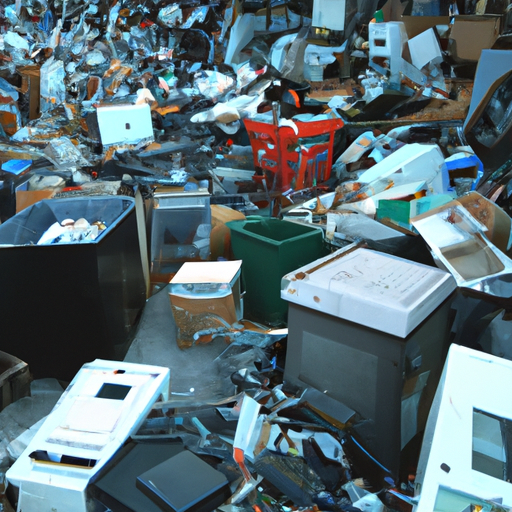
Implementing an effective electronic waste recycling program for your small business is an important step in protecting the environment and reducing your company’s environmental footprint. Electronic waste, or e-waste, is any discarded electronic device or component that is no longer in use. This includes computers, monitors, televisions, cell phones, and other electronic devices.
The first step in implementing an effective e-waste recycling program is to identify the types of e-waste that your business produces. This will help you determine the best way to collect and store the e-waste for recycling. Once you have identified the types of e-waste, you should create a plan for collecting and storing the e-waste. This plan should include the types of containers you will use to store the e-waste, the frequency of collection, and the location of the collection site.
The next step is to find a reliable e-waste recycler. You should research local e-waste recyclers to find one that is certified and experienced in handling e-waste. You should also make sure that the recycler is compliant with all applicable laws and regulations.
Once you have identified a recycler, you should create a system for collecting and delivering the e-waste to the recycler. This system should include a schedule for collecting the e-waste, a process for labeling and tracking the e-waste, and a method for delivering the e-waste to the recycler.
Finally, you should create a system for tracking the e-waste that is recycled. This system should include a record of the types of e-waste that are recycled, the amount of e-waste that is recycled, and the date that the e-waste was recycled. This information can be used to monitor the effectiveness of your e-waste recycling program and to ensure that your business is compliant with all applicable laws and regulations.
By implementing an effective e-waste recycling program, your small business can help protect the environment and reduce its environmental footprint. By following the steps outlined above, you can ensure that your business is doing its part to reduce e-waste and protect the environment.
The Challenges of Electronic Waste Recycling for Small Businesses and How to Overcome Them
Small businesses are increasingly facing the challenge of managing electronic waste (e-waste) responsibly. E-waste is any discarded electronic device or component, such as computers, televisions, cell phones, and other electronic equipment. As technology advances, the amount of e-waste generated is growing exponentially. This presents a challenge for small businesses, as they often lack the resources and expertise to properly manage e-waste.
The first challenge is the cost of e-waste recycling. Many small businesses are unable to afford the cost of professional e-waste recycling services. This can be a major obstacle, as proper e-waste recycling requires specialized equipment and expertise. Additionally, many small businesses are unaware of the legal requirements for e-waste disposal, which can lead to costly fines and penalties.
The second challenge is the lack of access to e-waste recycling facilities. Many small businesses are located in rural areas, where access to e-waste recycling facilities is limited or nonexistent. This can make it difficult for small businesses to properly dispose of their e-waste.
Fortunately, there are ways for small businesses to overcome these challenges. The first step is to research local e-waste recycling services and find one that is affordable and reliable. Many e-waste recycling companies offer discounts for small businesses, so it is important to shop around and compare prices. Additionally, many local governments offer free or low-cost e-waste recycling services.
The second step is to educate employees about the importance of e-waste recycling. Small businesses should create a policy that outlines the proper disposal of e-waste and ensure that all employees are aware of it. Additionally, businesses should consider investing in e-waste recycling bins to make it easier for employees to properly dispose of their e-waste.
Finally, small businesses should consider partnering with other businesses or organizations to share the cost of e-waste recycling. This can be a cost-effective way to ensure that e-waste is disposed of responsibly.
By taking these steps, small businesses can ensure that their e-waste is disposed of responsibly and in compliance with local laws. This will help to protect the environment and ensure that small businesses remain in compliance with the law.
Conclusion
es
Electronic waste recycling for small businesses is an important step in reducing the environmental impact of electronic waste. By recycling their electronic waste, small businesses can help reduce the amount of hazardous materials that end up in landfills, reduce their carbon footprint, and save money on disposal costs. Additionally, recycling electronic waste can help small businesses create a more sustainable and eco-friendly workplace. With the right resources and support, small businesses can make a big difference in the fight against electronic waste.
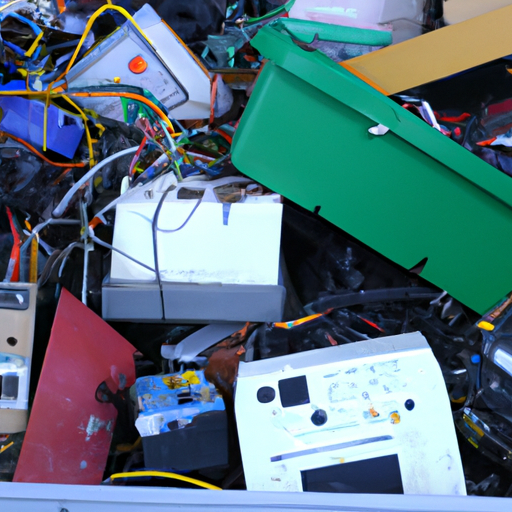
“E-Waste Recycling: Teaching Kids to be Green from the Start!”
Introduction
Electronic waste recycling is an important topic for primary schools to understand and discuss. With the rapid advancement of technology, more and more electronic devices are being used in our everyday lives. As a result, the amount of electronic waste (e-waste) is increasing. E-waste contains hazardous materials that can be harmful to the environment and human health if not disposed of properly. Therefore, it is important for primary schools to educate their students on the importance of e-waste recycling and how to properly dispose of e-waste. This introduction will provide an overview of e-waste recycling and the benefits of teaching students about e-waste recycling in primary schools.
How to Teach Kids About the Benefits of Electronic Waste Recycling
Recycling electronic waste (e-waste) is an important part of protecting the environment and preserving natural resources. Teaching children about the benefits of e-waste recycling can help them understand the importance of this practice and encourage them to participate in it. Here are some tips for teaching kids about the benefits of e-waste recycling:
1. Explain the Basics: Start by explaining the basics of e-waste recycling. Explain that e-waste is any electronic device or component that is no longer in use, such as computers, cell phones, and televisions. Explain that these items contain valuable materials that can be recycled and reused.
2. Discuss the Benefits: Explain the benefits of e-waste recycling. Explain that recycling e-waste helps conserve natural resources, reduces pollution, and prevents hazardous materials from entering the environment.
3. Show Examples: Show examples of how e-waste can be recycled. Show pictures of e-waste being recycled into new products, such as computers, cell phones, and televisions.
4. Encourage Participation: Encourage kids to participate in e-waste recycling. Explain that they can help by donating their old electronics to a local e-waste recycling center or by participating in a community e-waste collection event.
By teaching kids about the benefits of e-waste recycling, you can help them understand the importance of this practice and encourage them to participate in it. With a little bit of knowledge and effort, kids can help protect the environment and preserve natural resources.
The Impact of Electronic Waste Recycling on the Environment
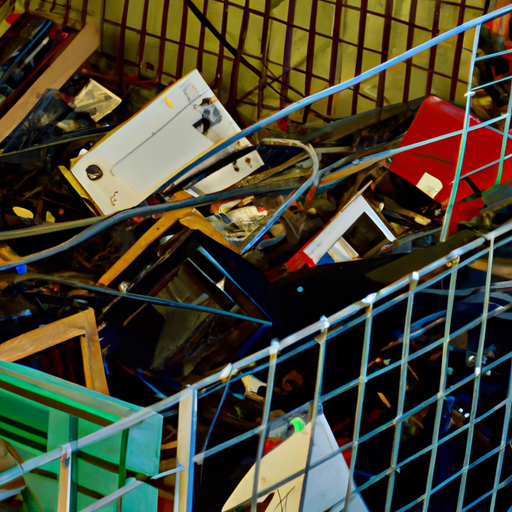
Electronic waste, or e-waste, is a growing problem in the modern world. As technology advances, more and more electronic devices are being produced and discarded. This has led to a significant increase in the amount of e-waste being generated, and it is having a detrimental effect on the environment.
E-waste contains a variety of hazardous materials, such as lead, mercury, and cadmium, which can be released into the environment if not disposed of properly. These materials can contaminate soil and water, leading to health problems for humans and animals. In addition, the burning of e-waste releases toxic chemicals into the air, which can cause respiratory problems and other health issues.
The good news is that e-waste can be recycled. By recycling e-waste, these hazardous materials can be safely removed and disposed of, reducing the risk of environmental contamination. In addition, recycling e-waste can help conserve natural resources, as many of the materials used in electronic devices can be reused.
Recycling e-waste also has economic benefits. By recycling e-waste, valuable materials can be recovered and reused, reducing the need to purchase new materials. This can help reduce production costs and create jobs in the recycling industry.
Overall, recycling e-waste can have a positive impact on the environment. By properly disposing of e-waste, hazardous materials can be safely removed and reused, reducing the risk of environmental contamination. In addition, recycling e-waste can help conserve natural resources and create jobs in the recycling industry. For these reasons, it is important to ensure that e-waste is recycled properly.
How to Set Up an Electronic Waste Recycling Program in Your Primary School
Setting up an electronic waste recycling program in a primary school is an important step in teaching students about the importance of environmental sustainability. Electronic waste, or e-waste, is any discarded electronic device or component, such as computers, televisions, and cell phones. E-waste contains hazardous materials that can be harmful to the environment if not disposed of properly. By setting up an e-waste recycling program in your primary school, you can help educate students about the importance of recycling and the dangers of improper disposal.
The first step in setting up an e-waste recycling program in your primary school is to identify a suitable location for the program. This should be a secure area that is easily accessible to students and staff. It should also be large enough to accommodate the e-waste that will be collected.
Once you have identified a suitable location, you will need to contact a local e-waste recycling company to arrange for the collection and disposal of the e-waste. The company should provide you with the necessary containers and labels for the e-waste. It is important to ensure that the containers are clearly labeled with the type of e-waste that should be placed in them.
Once the containers are in place, you will need to create a system for collecting the e-waste. This could involve setting up a designated drop-off point for students and staff to deposit their e-waste. Alternatively, you could set up a collection box in each classroom or office.
It is also important to create a system for tracking the e-waste that is collected. This could involve assigning each container a unique number and tracking the amount of e-waste collected in each container. This will help you to monitor the progress of the program and ensure that the e-waste is being disposed of properly.
Finally, you will need to create a system for educating students and staff about the importance of e-waste recycling. This could involve creating posters or flyers to display in classrooms and offices, or organizing an assembly to discuss the importance of e-waste recycling.
By setting up an e-waste recycling program in your primary school, you can help to educate students and staff about the importance of environmental sustainability and the dangers of improper disposal. This will help to ensure that your school is doing its part to protect the environment.
Conclusion
Electronic waste recycling for primary schools is an important step in helping to reduce the amount of e-waste that is sent to landfills. By teaching students about the importance of recycling and providing them with the resources to do so, primary schools can help to create a more sustainable future. Through education, students can learn to make better decisions about their electronics and how to properly dispose of them. By implementing electronic waste recycling programs in primary schools, we can help to reduce the amount of e-waste that is sent to landfills and create a more sustainable future.
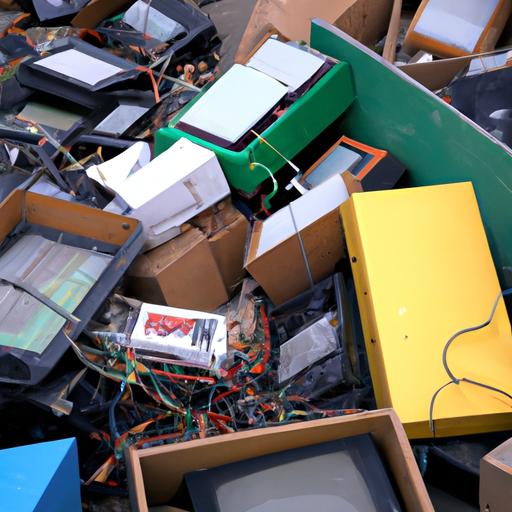
“E-Waste Recycling: Teaching Kids to be Green from the Start!”
Introduction
E-waste recycling is an important part of protecting our environment and reducing the amount of waste that ends up in landfills. It is especially important for primary schools to get involved in e-waste recycling, as it can help to educate students about the importance of recycling and the impact of e-waste on the environment. By teaching students about e-waste recycling, primary schools can help to create a more sustainable future for our planet. This article will provide an overview of e-waste recycling and how primary schools can get involved.
How to Teach Primary School Students About the Benefits of E-Waste Recycling
E-waste recycling is an important environmental issue that primary school students should be aware of. Teaching students about the benefits of e-waste recycling can help them understand the importance of preserving the environment and the need to reduce the amount of waste that is sent to landfills. Here are some tips for teaching primary school students about the benefits of e-waste recycling:
1. Explain the concept of e-waste recycling. Start by explaining what e-waste is and why it is important to recycle it. Explain that e-waste is any electronic device or component that is no longer in use, such as computers, cell phones, and other electronic devices. Explain that e-waste contains hazardous materials that can be harmful to the environment if not recycled properly.
2. Discuss the benefits of e-waste recycling. Explain that recycling e-waste helps to reduce the amount of waste that is sent to landfills, which can help to reduce pollution and conserve natural resources. Additionally, explain that recycling e-waste can help to create jobs and generate revenue for local communities.
3. Show examples of e-waste recycling. Show students examples of e-waste recycling in action. For example, show them pictures of e-waste being recycled and explain how the materials are being reused or repurposed.
4. Encourage students to take action. Encourage students to take action by recycling their own e-waste. Explain the importance of properly disposing of e-waste and provide resources for local e-waste recycling centers.
By teaching primary school students about the benefits of e-waste recycling, they can gain a better understanding of the importance of preserving the environment and the need to reduce the amount of waste that is sent to landfills.
The Role of Primary Schools in Reducing E-Waste Pollution
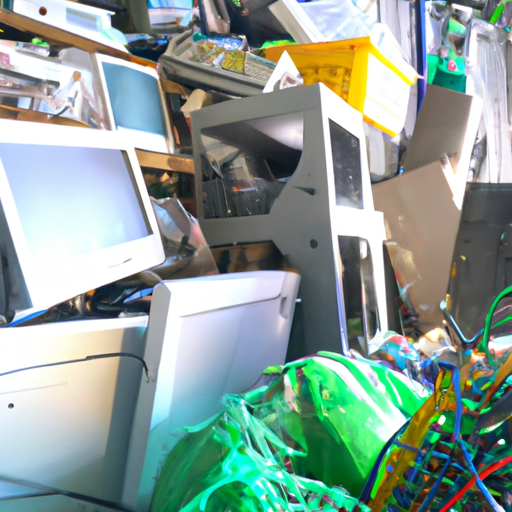
Primary schools play an important role in reducing e-waste pollution. Electronic waste, or e-waste, is a growing problem in many countries, as discarded electronics such as computers, cell phones, and other electronic devices are often improperly disposed of, leading to environmental contamination. Primary schools can help reduce e-waste pollution by educating students about the importance of proper disposal and recycling of electronic devices.
One way primary schools can reduce e-waste pollution is by teaching students about the environmental impacts of improper disposal. Students should be taught about the potential health risks associated with e-waste, such as lead and mercury contamination, and the potential for water and soil contamination. Additionally, students should be taught about the importance of recycling and reusing electronic devices, as well as the benefits of donating or selling used electronics.
Primary schools can also help reduce e-waste pollution by encouraging students to participate in e-waste recycling programs. Schools can partner with local recycling centers to provide students with the opportunity to recycle their old electronics. Schools can also organize e-waste collection drives, where students can bring in their old electronics to be recycled.
Finally, primary schools can help reduce e-waste pollution by encouraging students to purchase electronics that are energy efficient and have a longer lifespan. Schools can provide students with information about the environmental benefits of purchasing energy-efficient electronics, as well as the potential cost savings associated with purchasing more durable products.
In conclusion, primary schools can play an important role in reducing e-waste pollution by educating students about the environmental impacts of improper disposal, encouraging students to participate in e-waste recycling programs, and encouraging students to purchase energy-efficient electronics. By taking these steps, primary schools can help reduce e-waste pollution and create a healthier environment for future generations.
How to Create an E-Waste Recycling Program in Your Primary School
Creating an e-waste recycling program in your primary school is an important step in helping to protect the environment. E-waste, or electronic waste, is any discarded electronic device or component, such as computers, televisions, cell phones, and other electronic items. E-waste is a growing problem, as it contains hazardous materials that can be harmful to the environment if not disposed of properly.
Fortunately, there are steps that can be taken to create an effective e-waste recycling program in your primary school. Here are some tips to get you started:
1. Educate students and staff about e-waste. It is important to educate students and staff about the dangers of e-waste and the importance of recycling it properly. This can be done through classroom lessons, posters, and other materials.
2. Set up a collection system. Establish a system for collecting e-waste from students and staff. This can be done through designated bins or collection points.
3. Find a recycling partner. Partner with a local e-waste recycling company to ensure that the e-waste is disposed of properly.
4. Promote the program. Promote the program to students and staff to ensure that everyone is aware of it and participates.
By following these steps, you can create an effective e-waste recycling program in your primary school. This will help to protect the environment and ensure that e-waste is disposed of properly.
Conclusion
E-waste recycling for primary schools is an important step in helping to reduce the amount of electronic waste that is sent to landfills. By teaching students about the importance of recycling and providing them with the resources to do so, primary schools can help to create a more sustainable future. Additionally, by providing incentives for students to recycle their e-waste, primary schools can help to encourage more students to participate in the recycling process. Ultimately, e-waste recycling for primary schools is an important step in helping to reduce the amount of electronic waste that is sent to landfills and create a more sustainable future.
“Recycle IT, Reuse IT, Reduce IT – A Sustainable Future for Primary Schools!”
Introduction
IT Recycling for Primary Schools is an important part of ensuring that our children have access to the latest technology and that our environment is protected from the harmful effects of electronic waste. It is essential that primary schools have a plan in place to ensure that their IT equipment is recycled responsibly and safely. This guide will provide an overview of the benefits of IT recycling for primary schools, the steps involved in the process, and the resources available to help schools get started.
The Benefits of IT Recycling for Primary Schools: How to Maximize the Value of Old Technology
Recycling old technology is an important part of any school’s sustainability efforts. For primary schools, IT recycling can provide a number of benefits, from reducing costs to helping the environment. By taking the time to properly recycle old technology, primary schools can maximize the value of their old equipment and ensure that it is put to good use.
One of the primary benefits of IT recycling for primary schools is cost savings. By recycling old technology, schools can avoid the costs associated with purchasing new equipment. Additionally, recycling can help schools save money on disposal fees, as many recycling centers will accept old technology for free.
Another benefit of IT recycling for primary schools is environmental protection. By recycling old technology, schools can help reduce the amount of electronic waste that ends up in landfills. This can help protect the environment and reduce the amount of hazardous materials that are released into the atmosphere.
Finally, IT recycling can help primary schools maximize the value of their old technology. Many recycling centers will accept old technology and refurbish it for use in other schools or organizations. This can help ensure that the technology is put to good use and that it does not end up in a landfill.
In order to maximize the value of old technology, primary schools should take the time to properly recycle their equipment. Schools should research local recycling centers and find one that is willing to accept their old technology. Additionally, schools should make sure that all data is securely wiped from the equipment before it is recycled. This will help ensure that any sensitive information is not compromised.
By taking the time to properly recycle old technology, primary schools can maximize the value of their equipment and help protect the environment. IT recycling can provide a number of benefits, from cost savings to environmental protection, and is an important part of any school’s sustainability efforts.
How to Create an Effective IT Recycling Program for Primary Schools
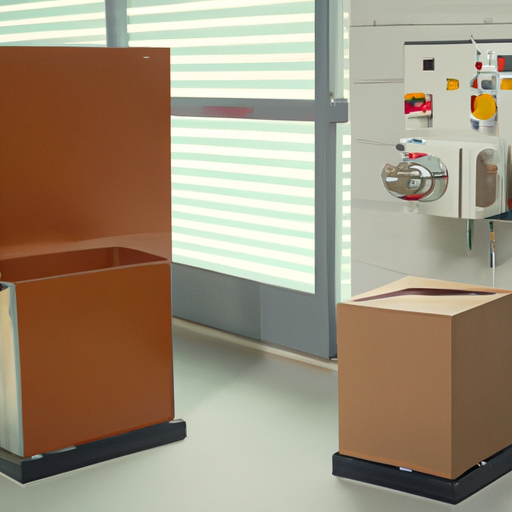
Creating an effective IT recycling program for primary schools is an important step in promoting sustainability and reducing the environmental impact of technology. By implementing a comprehensive recycling program, schools can ensure that their IT equipment is disposed of responsibly and that the materials are reused or recycled in an environmentally friendly manner. This article will provide an overview of the steps necessary to create an effective IT recycling program for primary schools.
Step 1: Establish a Recycling Policy
The first step in creating an effective IT recycling program is to establish a recycling policy. This policy should outline the school’s commitment to recycling IT equipment and provide guidance on how to properly dispose of IT equipment. The policy should also include information on how the school will handle data security and privacy when disposing of IT equipment.
Step 2: Identify Recycling Partners
Once the recycling policy has been established, the school should identify recycling partners. These partners should be able to provide the necessary services to properly dispose of IT equipment. It is important to ensure that the recycling partners are certified and have the necessary experience to handle the disposal of IT equipment.
Step 3: Educate Staff and Students
The next step is to educate staff and students on the importance of recycling IT equipment. This can be done through presentations, posters, and other materials that explain the importance of recycling and how to properly dispose of IT equipment. It is also important to ensure that staff and students are aware of the school’s recycling policy and the consequences of not following it.
Step 4: Implement a Collection System
Once staff and students have been educated on the importance of recycling, the school should implement a collection system. This system should include designated collection points for IT equipment and a process for collecting and disposing of the equipment. It is important to ensure that the collection system is secure and that the equipment is disposed of in a safe and responsible manner.
Step 5: Monitor and Evaluate
Finally, the school should monitor and evaluate the recycling program to ensure that it is effective. This can be done by tracking the amount of IT equipment that is recycled and evaluating the effectiveness of the collection system. By monitoring and evaluating the program, the school can make adjustments as needed to ensure that the program is successful.
Creating an effective IT recycling program for primary schools is an important step in promoting sustainability and reducing the environmental impact of technology. By following the steps outlined above, schools can ensure that their IT equipment is disposed of responsibly and that the materials are reused or recycled in an environmentally friendly manner.
Exploring the Environmental Impact of IT Recycling in Primary Schools: What Can We Do to Reduce Waste?
The environmental impact of IT recycling in primary schools is an important issue that needs to be addressed. With the increasing use of technology in the classroom, the amount of electronic waste generated by primary schools is growing. This waste can have a significant impact on the environment, from the release of hazardous materials to the depletion of natural resources. Fortunately, there are steps that can be taken to reduce the amount of waste generated by primary schools.
One of the most effective ways to reduce waste is to encourage IT recycling. By recycling old computers, laptops, and other electronic devices, primary schools can reduce the amount of waste they generate. This can be done by setting up a recycling program in the school, or by partnering with a local recycling center. Additionally, schools can encourage students and staff to donate their old electronics to organizations that specialize in IT recycling.
Another way to reduce waste is to purchase energy-efficient electronics. By investing in energy-efficient devices, primary schools can reduce their energy consumption and help to reduce their environmental impact. Additionally, schools can look for ways to extend the life of their electronics. This can be done by investing in quality devices that are built to last, and by regularly maintaining and repairing existing devices.
Finally, primary schools can reduce their environmental impact by educating students and staff about the importance of IT recycling. By teaching students and staff about the environmental benefits of IT recycling, primary schools can help to create a culture of sustainability. Additionally, schools can encourage students and staff to take part in IT recycling initiatives, such as donating old electronics to local organizations.
By taking these steps, primary schools can reduce their environmental impact and help to create a more sustainable future. By encouraging IT recycling, investing in energy-efficient devices, and educating students and staff about the importance of IT recycling, primary schools can make a positive difference in the environment.
Conclusion
IT recycling for primary schools is an important part of ensuring that technology is used responsibly and sustainably. By recycling old IT equipment, primary schools can reduce their environmental impact, save money, and help to create a more sustainable future. Through the use of IT recycling programs, primary schools can ensure that their IT equipment is disposed of in a responsible and safe manner, while also helping to reduce their carbon footprint.
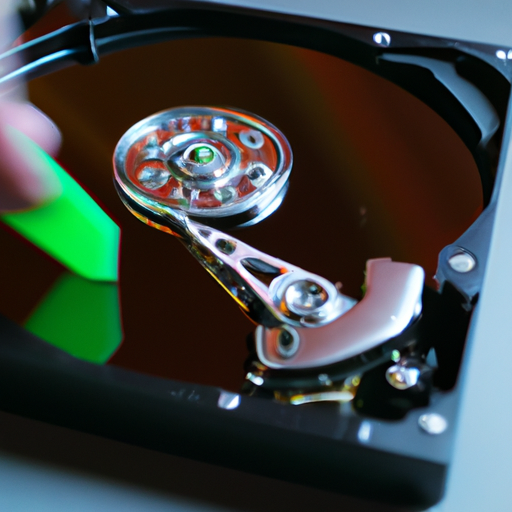
“Securely Erase Your Data – Wipe Your Hard Drive with Confidence!”
Introduction
If you’re looking to wipe your hard drive, you’ve come to the right place. Wiping a hard drive is an important step in the process of disposing of or selling a computer. It ensures that all of your personal data is securely erased and can’t be recovered. In this guide, we’ll explain how to wipe a hard drive and provide some tips to make sure the process is done correctly.
How to Wipe a Hard Drive: A Step-by-Step Guide
Wiping a hard drive is an important step in the process of disposing of or repurposing a computer. It is essential to ensure that all of the data stored on the hard drive is completely erased and unrecoverable. This guide will provide step-by-step instructions on how to properly wipe a hard drive.
Step 1: Back Up Your Data. Before wiping a hard drive, it is important to back up any data that you want to keep. This can be done by copying the data to an external hard drive, USB drive, or cloud storage.
Step 2: Choose a Wiping Method. There are several different methods for wiping a hard drive. The most secure method is to use a software program specifically designed for wiping hard drives. These programs are available for purchase online.
Step 3: Prepare the Hard Drive. Before wiping the hard drive, it is important to make sure that it is properly prepared. This includes disconnecting any external devices, such as printers or scanners, and ensuring that the hard drive is properly connected to the computer.
Step 4: Begin the Wiping Process. Once the hard drive is properly prepared, the wiping process can begin. Depending on the software program used, this may involve selecting the type of wiping method, such as a single pass or multiple passes, and then clicking the “Start” button.
Step 5: Monitor the Wiping Process. It is important to monitor the wiping process to ensure that it is running properly. This can be done by checking the progress bar or other indicators in the software program.
Step 6: Verify the Wiping Process. Once the wiping process is complete, it is important to verify that the hard drive has been properly wiped. This can be done by running a data recovery program to check for any remaining data.
By following these steps, you can ensure that your hard drive is properly wiped and all of the data stored on it is completely erased and unrecoverable.
What to Consider Before Wiping Your Hard Drive
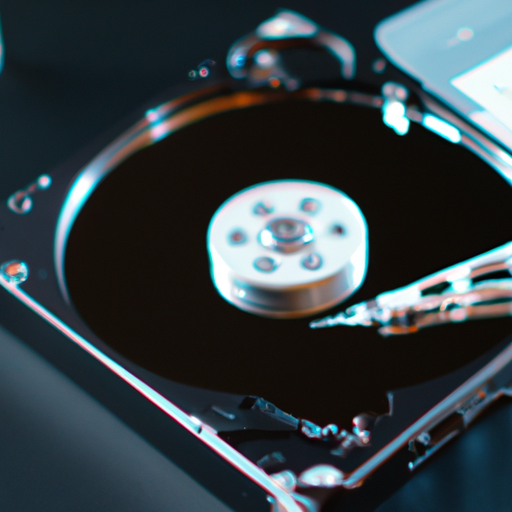
Before wiping your hard drive, it is important to consider a few key factors.
First, you should ensure that you have a backup of all of your important data. This includes any documents, photos, music, or other files that you do not want to lose. It is also important to make sure that you have all of the necessary software and drivers that you need to reinstall after wiping your hard drive.
Second, you should determine the best method for wiping your hard drive. There are several different methods available, and each has its own advantages and disadvantages. It is important to research the different methods and choose the one that best suits your needs.
Third, you should consider the security implications of wiping your hard drive. Depending on the method you choose, it may be possible for someone to recover data from your hard drive after it has been wiped. Therefore, it is important to choose a method that provides the highest level of security.
Finally, you should consider the cost of wiping your hard drive. Depending on the method you choose, there may be additional costs associated with the process. It is important to factor these costs into your decision-making process.
By considering these factors, you can ensure that you make the best decision for wiping your hard drive.
How to Wipe a Hard Drive Securely: Tips and Best Practices
Securely wiping a hard drive is an important step in protecting your data and ensuring that it cannot be accessed by unauthorized individuals. This article will provide tips and best practices for securely wiping a hard drive.
First, it is important to understand the different methods of wiping a hard drive. The most secure method is to use a software program that overwrites the data on the drive multiple times with random data. This ensures that the data is completely unrecoverable. Other methods, such as formatting the drive, are less secure and can leave data vulnerable to recovery.
Once you have chosen a method, it is important to back up any important data before wiping the drive. This will ensure that you do not lose any important information.
Next, it is important to disconnect the hard drive from any networks or other devices. This will prevent any malicious actors from accessing the data while it is being wiped.
Finally, it is important to verify that the data has been securely wiped. This can be done by using a data recovery program to scan the drive and ensure that no data is recoverable.
By following these tips and best practices, you can ensure that your hard drive is securely wiped and that your data is safe from unauthorized access.
Conclusion
In conclusion, wiping a hard drive is a necessary step to take when disposing of an old computer or hard drive. It is important to make sure that all of your data is securely wiped from the hard drive before you dispose of it. There are a few different methods for wiping a hard drive, including using a software program, using a bootable disk, or using a hardware device. Each of these methods has its own advantages and disadvantages, so it is important to choose the one that best suits your needs.
“Securely Erase Your Data – Wipe Hard Drive!”
Introduction
Wipe Hard Drive is a powerful data erasure tool that allows users to securely and permanently erase data from their hard drives. It is an essential tool for anyone who wants to protect their data from unauthorized access or malicious software. Wipe Hard Drive can be used to erase data from any type of hard drive, including internal, external, and solid-state drives. It is a fast and reliable way to ensure that all of your data is completely erased and unrecoverable. Wipe Hard Drive also offers a range of advanced features, such as the ability to securely erase multiple hard drives at once, and the ability to create a bootable CD or USB drive for easy data erasure.
How to Wipe a Hard Drive: A Step-by-Step Guide
Wiping a hard drive is an important step in the process of disposing of or repurposing a computer. It ensures that all of the data stored on the drive is completely erased and unrecoverable. This guide will provide a step-by-step process for wiping a hard drive.
Step 1: Back Up Your Data
Before wiping a hard drive, it is important to back up any data that you want to keep. This can be done by copying the data to an external hard drive, USB drive, or cloud storage.
Step 2: Choose a Wiping Method
There are several methods for wiping a hard drive. The most secure method is to use a software program specifically designed for wiping hard drives. These programs are available for purchase online.
Step 3: Prepare the Hard Drive
Before wiping the hard drive, it is important to make sure that it is properly prepared. This includes disconnecting any external drives, uninstalling any programs that are not needed, and disabling any security software.
Step 4: Wipe the Hard Drive
Once the hard drive is prepared, the wiping process can begin. If using a software program, follow the instructions provided by the program. If using a manual method, use a secure wiping tool to overwrite the data on the drive.
Step 5: Verify the Wipe
Once the wiping process is complete, it is important to verify that the data has been completely erased. This can be done by using a data recovery program to scan the drive and ensure that no data is recoverable.
Step 6: Reformat the Hard Drive
The final step in the process is to reformat the hard drive. This will erase any remaining data and prepare the drive for use.
By following these steps, you can ensure that all of the data stored on a hard drive is completely erased and unrecoverable. Wiping a hard drive is an important step in the process of disposing of or repurposing a computer, and should not be overlooked.
What to Consider Before Wiping Your Hard Drive
Before wiping your hard drive, it is important to consider a few key factors.
First, you should back up any important data that you want to keep. This includes documents, photos, music, and any other files that you do not want to lose. It is also important to make sure that you have all the necessary software and drivers that you need to reinstall after wiping your hard drive.
Second, you should consider the type of wiping you want to do. There are several different types of wiping, such as full wiping, which erases all data on the hard drive, or partial wiping, which erases only certain files or folders. Depending on your needs, you should choose the type of wiping that best suits your needs.
Third, you should consider the security of the wiping process. It is important to make sure that the wiping process is secure and that no one can access the data that was wiped. You should also make sure that the wiping process is done correctly and that all data is completely erased.
Finally, you should consider the cost of wiping your hard drive. Depending on the type of wiping you choose, the cost can vary significantly. It is important to research the different options and choose the one that best fits your budget.
By considering these factors before wiping your hard drive, you can ensure that the process is done correctly and securely, and that you do not lose any important data.
The Benefits of Wiping Your Hard Drive Regularly
Regularly wiping your hard drive is an important part of maintaining the security and performance of your computer. Wiping your hard drive helps to protect your data from malicious software, unauthorized access, and other security threats. It also helps to improve the performance of your computer by removing unnecessary files and freeing up space. Here are some of the benefits of wiping your hard drive regularly:
1. Improved Security: Wiping your hard drive regularly helps to protect your data from malicious software, unauthorized access, and other security threats. By wiping your hard drive, you can ensure that any sensitive information stored on your computer is not accessible to unauthorized users.
2. Improved Performance: Wiping your hard drive helps to improve the performance of your computer by removing unnecessary files and freeing up space. This can help to speed up your computer and make it more efficient.
3. Reduced Risk of Data Loss: Wiping your hard drive regularly helps to reduce the risk of data loss due to hardware failure or other issues. By regularly wiping your hard drive, you can ensure that any important data stored on your computer is backed up and secure.
4. Reduced Risk of Data Corruption: Wiping your hard drive regularly helps to reduce the risk of data corruption due to malicious software or other issues. By regularly wiping your hard drive, you can ensure that any important data stored on your computer is safe and secure.
Overall, regularly wiping your hard drive is an important part of maintaining the security and performance of your computer. By regularly wiping your hard drive, you can ensure that any sensitive information stored on your computer is not accessible to unauthorized users, and that any important data stored on your computer is backed up and secure.
Conclusion
In conclusion, wiping a hard drive is an important step in protecting your data and ensuring that it is not accessible to anyone else. It is a simple process that can be done quickly and easily, and it is an essential part of keeping your data secure. Wiping a hard drive is a great way to protect your data and keep it safe from unauthorized access.
“Find Your Nearest E Waste Bin Location – It’s Easier Than You Think!”
Introduction
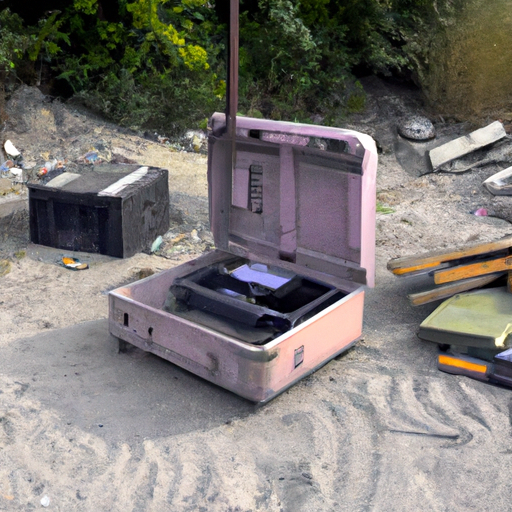
E-waste bin locations are becoming increasingly important as the amount of electronic waste continues to grow. Electronic waste, or e-waste, is any discarded electronic device or component that is no longer usable. This includes computers, televisions, cell phones, and other electronic devices. E-waste is a growing environmental concern due to the hazardous materials it contains, such as lead, mercury, and cadmium. Proper disposal of e-waste is essential to protect the environment and human health. E-waste bin locations provide a convenient way to dispose of e-waste safely and responsibly. This article will provide an overview of e-waste bin locations and the benefits they provide.
How to Find the Nearest E Waste Bin Location in Your City
If you are looking for the nearest e-waste bin location in your city, there are a few steps you can take to find it.
First, you should contact your local government or waste management department. They should be able to provide you with information about the nearest e-waste bin location. You can also check their website for any information about e-waste disposal.
Second, you can search online for e-waste bin locations in your city. Many cities have websites that list the locations of e-waste bins. You can also search for e-waste collection centers in your area.
Third, you can ask your neighbors or local businesses if they know of any e-waste bin locations. Many businesses and organizations have e-waste bins that are available for public use.
Finally, you can check with your local recycling center. They may have information about e-waste bin locations in your area.
By following these steps, you should be able to find the nearest e-waste bin location in your city. It is important to properly dispose of e-waste in order to protect the environment and keep our cities clean.
The Benefits of Recycling E Waste at Local Bin Locations
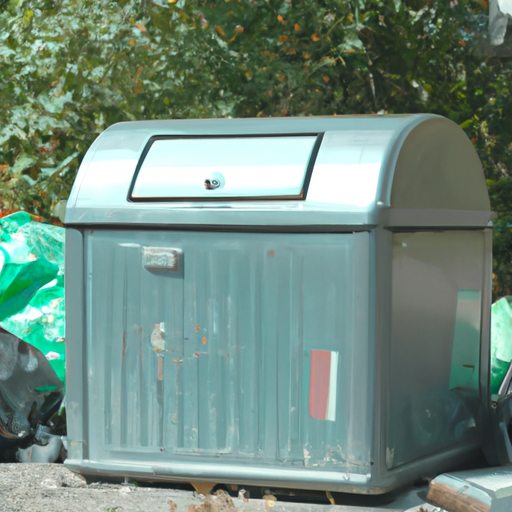
Recycling e-waste at local bin locations is an important step in protecting the environment and conserving natural resources. E-waste, or electronic waste, is any discarded electronic device or component, such as computers, televisions, cell phones, and other electronic items. As technology advances, more and more of these items are being discarded, creating a growing environmental problem.
Recycling e-waste at local bin locations helps to reduce the amount of e-waste that ends up in landfills. By recycling e-waste, valuable materials such as copper, aluminum, and plastic can be recovered and reused. This helps to conserve natural resources and reduce the need for mining and manufacturing new materials. Additionally, recycling e-waste helps to reduce the amount of hazardous materials that can be released into the environment. Many electronic components contain hazardous materials such as lead, mercury, and cadmium, which can be released into the environment if not properly disposed of.
Recycling e-waste at local bin locations also helps to create jobs and stimulate the local economy. By recycling e-waste, businesses can create jobs in the recycling industry, which can help to create economic growth in the local area. Additionally, recycling e-waste can help to reduce the cost of disposing of e-waste, which can help to reduce the cost of goods and services in the local area.
Finally, recycling e-waste at local bin locations helps to reduce the amount of energy used in the manufacturing process. By recycling e-waste, manufacturers can reduce the amount of energy used to create new products, which can help to reduce the amount of greenhouse gases released into the atmosphere.
In conclusion, recycling e-waste at local bin locations is an important step in protecting the environment and conserving natural resources. By recycling e-waste, valuable materials can be recovered and reused, hazardous materials can be prevented from entering the environment, jobs can be created, and energy can be conserved. Therefore, it is important for individuals and businesses to take advantage of local bin locations to recycle their e-waste.
The Impact of E Waste on the Environment and How to Reduce It Through Bin Locations
E-waste, or electronic waste, is a growing problem in the modern world. It is defined as any discarded electrical or electronic device, such as computers, televisions, cell phones, and other electronic items. As technology advances, more and more of these items are being discarded, leading to a significant environmental impact.
The environmental impact of e-waste is twofold. First, the materials used to make these items are often hazardous to the environment. Many of these materials, such as lead, mercury, and cadmium, can leach into the soil and water, contaminating them and making them unsafe for human consumption. Additionally, these materials can be released into the air, leading to air pollution.
Second, e-waste can be difficult to dispose of properly. Many of these items contain hazardous materials, and if not disposed of properly, can end up in landfills or in the environment. This can lead to further contamination of the environment and can be dangerous to human health.
Fortunately, there are ways to reduce the environmental impact of e-waste. One of the most effective ways is to ensure that e-waste is disposed of properly. This can be done by setting up designated e-waste bins in public places, such as parks, schools, and other public areas. These bins should be clearly labeled and should be placed in areas that are easily accessible to the public.
Additionally, it is important to educate the public about the importance of proper e-waste disposal. This can be done through public service announcements, posters, and other forms of media. By educating the public about the environmental impact of e-waste, it can help to reduce the amount of e-waste that is improperly disposed of.
Finally, it is important to ensure that e-waste is recycled whenever possible. Many electronics can be recycled and reused, which can help to reduce the amount of e-waste that is sent to landfills. Additionally, recycling can help to reduce the amount of hazardous materials that are released into the environment.
In conclusion, e-waste has a significant environmental impact. However, by setting up designated e-waste bins in public places, educating the public about proper e-waste disposal, and recycling e-waste whenever possible, it is possible to reduce the environmental impact of e-waste.
Conclusion
The placement of e-waste bins in public places is an important step in reducing the amount of e-waste that ends up in landfills. By providing convenient and accessible locations for people to dispose of their e-waste, we can help to reduce the environmental impact of e-waste and ensure that it is disposed of in a responsible manner. With the right locations and incentives, we can make a real difference in the amount of e-waste that is disposed of properly.
“Eliminate Your E-Waste Easily with E Waste Bin Near Me!”
Introduction
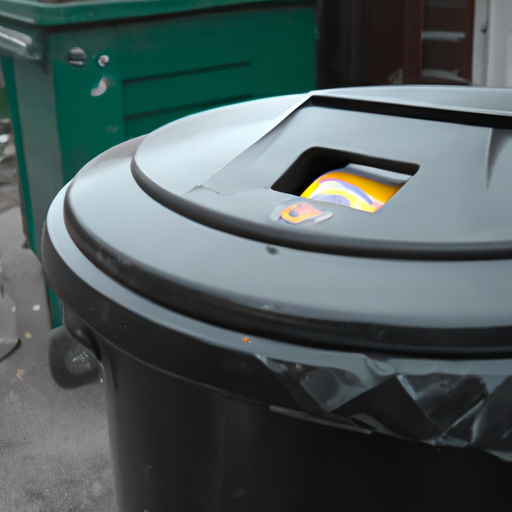
E-waste bin near me is a great way to dispose of your electronic waste in an environmentally friendly manner. Electronic waste, or e-waste, is any discarded electronic device or component that is no longer usable. This includes computers, televisions, cell phones, printers, and other electronic devices. E-waste can contain hazardous materials such as lead, mercury, and cadmium, which can be harmful to the environment if not disposed of properly. By using an e-waste bin near me, you can ensure that your e-waste is disposed of in a safe and responsible manner.
The Benefits of Installing an E Waste Bin Near Me: How to Make Recycling Easier and More Convenient
Recycling is an important part of protecting the environment and reducing waste. Unfortunately, many people find it difficult to recycle due to the lack of convenient recycling options. Installing an e-waste bin near you can make recycling easier and more convenient. Here are some of the benefits of installing an e-waste bin near you:
1. Increased Convenience: Installing an e-waste bin near you makes it easier for people to recycle their electronic waste. Instead of having to take their e-waste to a recycling center, they can simply drop it off at the bin. This makes it much more convenient for people to recycle their e-waste.
2. Reduced Waste: By making it easier for people to recycle their e-waste, an e-waste bin near you can help reduce the amount of e-waste that ends up in landfills. This helps to reduce the amount of waste that is produced and helps to protect the environment.
3. Increased Awareness: Installing an e-waste bin near you can help to raise awareness about the importance of recycling. People may be more likely to recycle their e-waste if they know that there is a convenient option available.
4. Cost Savings: Installing an e-waste bin near you can help to save money in the long run. By reducing the amount of e-waste that ends up in landfills, you can save money on disposal costs.
Installing an e-waste bin near you can make recycling easier and more convenient. It can help to reduce the amount of e-waste that ends up in landfills, raise awareness about the importance of recycling, and save money in the long run. If you are looking for a way to make recycling easier and more convenient, installing an e-waste bin near you is a great option.
The Impact of E Waste Bin Near Me on Local Communities: How to Reduce Waste and Improve the Environment

E-waste, or electronic waste, is a growing problem in many local communities. It is estimated that over 50 million tons of e-waste is generated each year, and this number is expected to increase in the coming years. As a result, it is important for local communities to take steps to reduce e-waste and improve the environment. One way to do this is to install e-waste bins near me.
E-waste bins near me are a convenient way for local residents to dispose of their unwanted electronics. These bins are typically located in public areas, such as parks, schools, and shopping centers. By providing easy access to e-waste disposal, local communities can encourage residents to properly dispose of their electronics instead of throwing them away or leaving them in the trash.
In addition to providing convenient access to e-waste disposal, e-waste bins near me can also help to reduce the amount of e-waste that is sent to landfills. By collecting and recycling e-waste, local communities can help to reduce the amount of hazardous materials that are released into the environment. This can help to improve air and water quality, as well as reduce the risk of soil contamination.
Finally, e-waste bins near me can also help to create jobs in the local community. By providing a place for people to recycle their electronics, local businesses can create jobs for people who are willing to collect and process e-waste. This can help to create a more sustainable economy in the local community.
Overall, e-waste bins near me can be a great way for local communities to reduce e-waste and improve the environment. By providing convenient access to e-waste disposal, local communities can encourage residents to properly dispose of their electronics. In addition, e-waste bins near me can help to reduce the amount of e-waste that is sent to landfills, improve air and water quality, and create jobs in the local community. By taking advantage of these benefits, local communities can help to create a more sustainable future.
The Future of E Waste Bin Near Me: How Technology is Making Recycling Easier and More Accessible
As technology continues to evolve, so too does the way we manage our waste. E-waste bins are becoming increasingly popular as a way to help reduce the amount of electronic waste that ends up in landfills. E-waste bins are designed to collect and store electronic waste, such as computers, cell phones, and other electronic devices, for recycling or disposal.
The use of e-waste bins is becoming more widespread as people become more aware of the environmental impact of electronic waste. In addition to helping reduce the amount of electronic waste that ends up in landfills, e-waste bins also make it easier for people to recycle their electronic waste. By providing convenient access to e-waste bins, people are more likely to take the time to properly dispose of their electronic waste.
In addition to making it easier to recycle electronic waste, technology is also making it easier to find e-waste bins near you. Many cities and towns now have websites that list the locations of e-waste bins in their area. This makes it easier for people to find a convenient location to drop off their electronic waste.
Technology is also making it easier to track the progress of e-waste recycling. Many e-waste bins now have tracking systems that allow users to monitor the progress of their recycling efforts. This makes it easier for people to ensure that their electronic waste is being recycled properly.
Finally, technology is making it easier for people to access information about e-waste recycling. Many websites now provide detailed information about the types of electronic waste that can be recycled, as well as the best ways to recycle it. This makes it easier for people to make informed decisions about how to properly dispose of their electronic waste.
As technology continues to evolve, e-waste bins will become even more accessible and easier to use. This will make it easier for people to recycle their electronic waste and help reduce the amount of electronic waste that ends up in landfills.
Conclusion
The E Waste Bin Near Me service is a great way to help reduce the amount of e-waste that is sent to landfills. It is a convenient and easy way to dispose of unwanted electronics, and it helps to keep our environment clean and safe. By using this service, we can help to reduce the amount of e-waste that is sent to landfills and help to protect our environment.
“Eliminate E-Waste with E-Waste Bin – A Greener Way to Dispose!”
Introduction
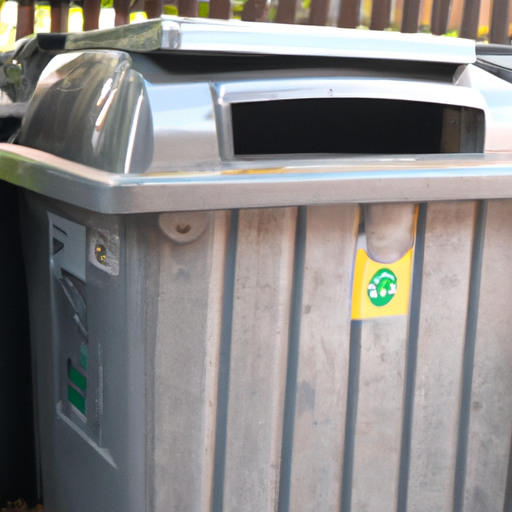
E-waste bins are an important part of any home or office. They provide a safe and convenient way to dispose of electronic waste, such as old computers, cell phones, and other electronic devices. E-waste bins are designed to keep hazardous materials out of landfills and other areas where they can cause environmental damage. They are also a great way to keep your home or office organized and clutter-free. With the right e-waste bin, you can easily and safely dispose of your electronic waste.
The Benefits of Installing an E Waste Bin in Your Home
The installation of an e-waste bin in your home is an excellent way to ensure that your electronic waste is disposed of in an environmentally responsible manner. E-waste, or electronic waste, is any discarded electronic device or component, such as computers, televisions, cell phones, and other electronic items. As technology advances, more and more electronic devices are being discarded, and it is important to ensure that these items are disposed of properly.
One of the primary benefits of installing an e-waste bin in your home is that it helps to reduce the amount of electronic waste that ends up in landfills. Electronic waste contains hazardous materials such as lead, mercury, and cadmium, which can leach into the soil and contaminate groundwater. By disposing of your electronic waste in an e-waste bin, you can help to reduce the amount of hazardous materials that end up in landfills.
Another benefit of installing an e-waste bin in your home is that it helps to reduce the amount of energy used to manufacture new electronic devices. When electronic waste is recycled, the materials can be reused to create new products, which reduces the amount of energy needed to manufacture new items. This helps to reduce the amount of energy used to produce new electronic devices, which in turn helps to reduce greenhouse gas emissions.
Finally, installing an e-waste bin in your home can help to create jobs in the recycling industry. By recycling your electronic waste, you are helping to create jobs in the recycling industry, which helps to stimulate the economy.
In conclusion, installing an e-waste bin in your home is an excellent way to ensure that your electronic waste is disposed of in an environmentally responsible manner. By doing so, you can help to reduce the amount of hazardous materials that end up in landfills, reduce the amount of energy used to manufacture new electronic devices, and create jobs in the recycling industry.
How to Properly Dispose of E Waste in an E Waste Bin
E-waste, or electronic waste, is any discarded electronic device or component. It includes computers, televisions, cell phones, printers, and other electronic items. Proper disposal of e-waste is essential to protect the environment and human health.
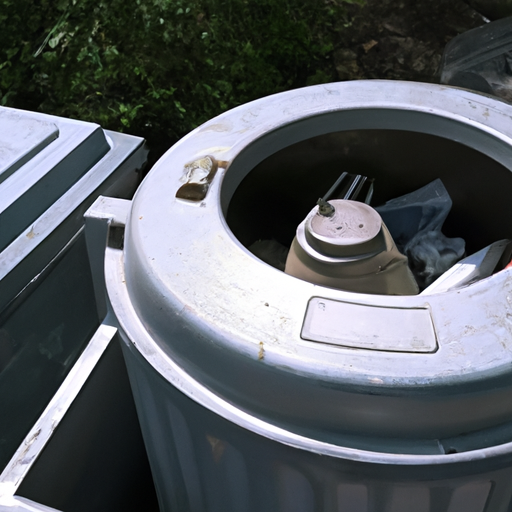
When disposing of e-waste, it is important to use an e-waste bin. An e-waste bin is a specialized container designed to safely store and dispose of electronic waste. It is important to use an e-waste bin because it prevents the release of hazardous materials into the environment.
When disposing of e-waste in an e-waste bin, it is important to follow the instructions provided by the manufacturer. Generally, the instructions will include the following steps:
1. Remove all batteries from the device. Batteries should be recycled separately from the device.
2. Remove any personal data from the device. This includes any documents, photos, or other data stored on the device.
3. Place the device in the e-waste bin.
4. Close the lid of the e-waste bin securely.
It is important to note that some e-waste bins may require additional steps, such as the use of a special bag or liner. Be sure to follow the instructions provided by the manufacturer.
Once the e-waste has been placed in the e-waste bin, it should be taken to a certified e-waste recycler. This will ensure that the e-waste is disposed of properly and that hazardous materials are not released into the environment.
By following these steps, you can help protect the environment and human health by properly disposing of e-waste in an e-waste bin.
The Impact of E Waste on the Environment and What You Can Do to Help
E-waste, or electronic waste, is a growing problem in the modern world. It is defined as any discarded electronic device or component, such as computers, televisions, cell phones, and other electronic items. As technology advances, more and more of these items are being discarded, leading to a significant environmental impact.
The most significant environmental impact of e-waste is the release of hazardous materials into the environment. Many electronic devices contain toxic materials such as lead, mercury, and cadmium, which can be released into the air, soil, and water when these devices are not disposed of properly. These materials can cause serious health problems, including cancer, neurological damage, and reproductive issues. In addition, the improper disposal of e-waste can lead to the release of greenhouse gases, which contribute to global warming.
The good news is that there are steps that can be taken to reduce the environmental impact of e-waste. One of the most important steps is to properly dispose of e-waste. Many cities and towns have e-waste recycling centers where these items can be taken for proper disposal. In addition, many electronics manufacturers offer take-back programs where they will take back old electronics and recycle them.
Another way to reduce the environmental impact of e-waste is to purchase electronics that are designed to be more energy efficient. Many electronics manufacturers now offer products that are designed to use less energy and last longer, reducing the need to replace them as often.
Finally, it is important to be aware of the environmental impact of e-waste and to take steps to reduce it. By properly disposing of e-waste, purchasing energy-efficient electronics, and being aware of the environmental impact of e-waste, individuals can help to reduce the environmental impact of e-waste and protect the environment.
Conclusion
The E Waste Bin is a great way to help reduce the amount of electronic waste that ends up in landfills. It is an easy and convenient way to dispose of unwanted electronics, and it helps to keep our environment clean and safe. By using an E Waste Bin, we can help to reduce the amount of electronic waste that is produced and help to protect our planet.
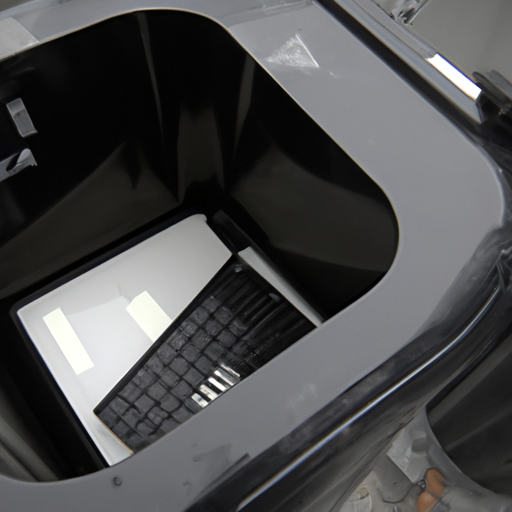
“Eliminate Waste, Go Green with Electronic Waste Bin!”
Introduction
An electronic waste bin is a device that is used to store and dispose of electronic waste. It is designed to help reduce the amount of electronic waste that is sent to landfills and incinerators. Electronic waste bins are becoming increasingly popular as more people become aware of the environmental impact of disposing of electronic waste in the wrong way. Electronic waste bins are available in a variety of sizes and styles, and can be used in both residential and commercial settings. They are an effective way to reduce the amount of electronic waste that is sent to landfills and incinerators, and can help to reduce the environmental impact of disposing of electronic waste.
The Benefits of Installing an Electronic Waste Bin in Your Home
The installation of an electronic waste bin in the home is becoming increasingly popular as people become more aware of the environmental impact of their waste. Electronic waste bins are designed to help reduce the amount of waste that is sent to landfills, and they can also help to reduce the amount of energy used to process waste. Here are some of the benefits of installing an electronic waste bin in your home.
First, electronic waste bins are designed to be more efficient than traditional waste bins. They are designed to separate recyclable materials from non-recyclable materials, which helps to reduce the amount of waste that is sent to landfills. This also helps to reduce the amount of energy used to process waste, as recyclable materials can be reused or recycled.
Second, electronic waste bins are designed to be more convenient than traditional waste bins. They are designed to be easy to use, and they can be programmed to automatically sort and separate recyclable materials from non-recyclable materials. This makes it easier to ensure that recyclable materials are properly disposed of, and it also helps to reduce the amount of time spent sorting through waste.
Third, electronic waste bins are designed to be more hygienic than traditional waste bins. They are designed to be sealed, which helps to reduce the risk of contamination from bacteria and other microorganisms. This helps to ensure that the waste is properly disposed of, and it also helps to reduce the risk of disease transmission.
Finally, electronic waste bins are designed to be more aesthetically pleasing than traditional waste bins. They are designed to be sleek and modern, and they can be customized to fit any home decor. This helps to make them more attractive and inviting, and it also helps to make them more appealing to visitors.
Overall, the installation of an electronic waste bin in the home can provide numerous benefits. It can help to reduce the amount of waste that is sent to landfills, it can help to reduce the amount of energy used to process waste, it can be more convenient and hygienic than traditional waste bins, and it can be more aesthetically pleasing. For these reasons, installing an electronic waste bin in the home is a great way to help reduce the environmental impact of your waste.
How to Properly Dispose of Electronic Waste in an Electronic Waste Bin
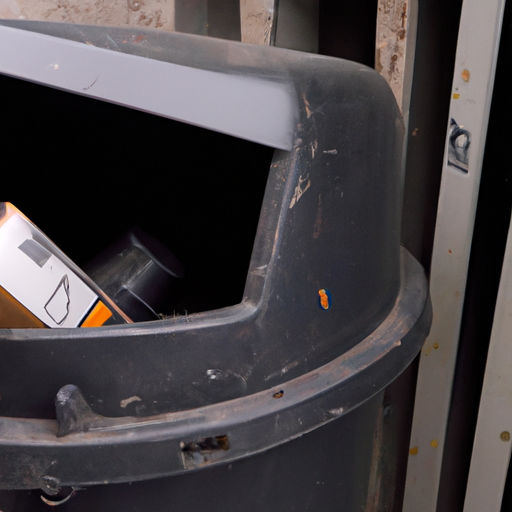
Electronic waste, or e-waste, is a growing problem in the world today. As technology advances, more and more electronic devices are being produced and discarded. To help reduce the amount of e-waste that ends up in landfills, many countries have implemented regulations that require the proper disposal of e-waste. One way to properly dispose of e-waste is to use an electronic waste bin.
When disposing of e-waste in an electronic waste bin, it is important to follow the instructions provided by the manufacturer. Generally, these instructions will include the types of items that can be placed in the bin, as well as any safety precautions that should be taken. It is also important to ensure that all items are properly labeled and sorted before placing them in the bin.
When disposing of e-waste in an electronic waste bin, it is important to separate items by type. This includes separating items such as computers, monitors, printers, and other electronic devices. It is also important to separate items such as batteries, CDs, and DVDs. This will help to ensure that the items are properly recycled or disposed of.
It is also important to ensure that all items are properly labeled before placing them in the bin. This includes labeling items with their make and model, as well as any serial numbers. This will help to ensure that the items are properly recycled or disposed of.
Finally, it is important to ensure that all items are securely sealed before placing them in the bin. This will help to prevent any hazardous materials from leaking out of the bin and into the environment.
By following these steps, you can help to ensure that your e-waste is properly disposed of in an electronic waste bin. This will help to reduce the amount of e-waste that ends up in landfills, and will help to protect the environment.
The Impact of Electronic Waste on the Environment and How Electronic Waste Bins Can Help
Electronic waste, or e-waste, is a growing problem in the modern world. As technology advances, more and more electronic devices become obsolete and are discarded. Unfortunately, these discarded devices often end up in landfills, where they can cause serious environmental damage. E-waste contains a variety of hazardous materials, such as lead, mercury, and cadmium, which can leach into the soil and contaminate groundwater. In addition, many electronic devices contain flame retardants and other chemicals that can be released into the air when burned.
The best way to reduce the environmental impact of e-waste is to properly dispose of it. Electronic waste bins are an effective way to do this. These bins are designed to safely store and transport e-waste to a recycling facility, where it can be properly disposed of. By using e-waste bins, individuals and businesses can help reduce the amount of e-waste that ends up in landfills.
E-waste bins are also beneficial in other ways. By properly disposing of e-waste, businesses can reduce their liability and protect their reputation. In addition, recycling e-waste can help conserve natural resources and reduce the amount of energy needed to produce new electronic devices.
In conclusion, e-waste bins are an effective way to reduce the environmental impact of e-waste. By properly disposing of e-waste, businesses and individuals can help protect the environment and conserve natural resources.
Conclusion
In conclusion, the Electronic Waste Bin is a great way to help reduce the amount of electronic waste that is produced. It is an easy and convenient way to dispose of unwanted electronics, and it helps to keep our environment clean and safe. The Electronic Waste Bin is a great way to help reduce the amount of electronic waste that is produced, and it is an important tool in helping to protect our environment.