
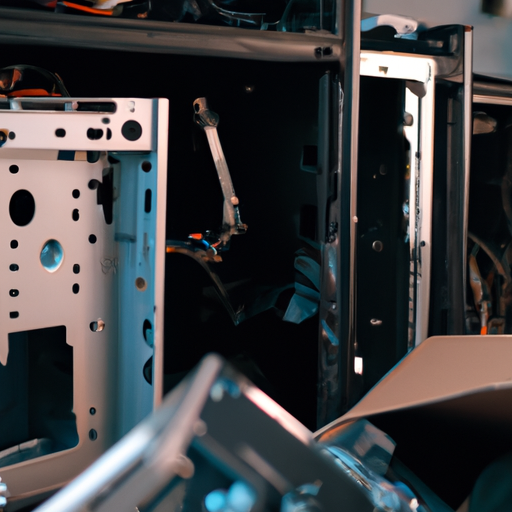
“Empowering Schools to Go Green with Ewaste Management!”
Introduction
E-waste management is an important issue for schools to consider. With the rapid advancement of technology, schools are increasingly relying on electronic devices to support their educational activities. As a result, the amount of e-waste generated by schools is growing. E-waste includes any electronic device that is no longer in use, such as computers, printers, and other electronic equipment. Proper management of e-waste is essential to ensure that these materials are disposed of in an environmentally responsible manner. This article will provide an overview of e-waste management for schools, including the benefits of proper e-waste management, the challenges associated with e-waste management, and strategies for effective e-waste management.
How Schools Can Implement Sustainable E-Waste Management Practices
E-waste management is an increasingly important issue for schools, as technology continues to become more prevalent in the classroom. To ensure that e-waste is managed in a sustainable manner, schools should implement the following practices.
First, schools should create a comprehensive e-waste management plan. This plan should include a detailed inventory of all e-waste, including computers, printers, and other electronic devices. It should also include a timeline for disposing of e-waste, as well as a plan for recycling or repurposing any items that are no longer needed.
Second, schools should establish a system for collecting e-waste. This system should include designated collection points, such as a designated bin or area in the school, where e-waste can be dropped off. It should also include a process for sorting and categorizing e-waste, so that it can be properly recycled or repurposed.
Third, schools should partner with local e-waste recyclers or repurposing centers. This will ensure that e-waste is disposed of in an environmentally responsible manner. Schools should also consider offering incentives to encourage students and staff to recycle their e-waste.
Finally, schools should educate students and staff about the importance of e-waste management. This can be done through classroom lessons, posters, and other materials. Schools should also encourage students and staff to be mindful of their e-waste and to take steps to reduce their consumption of electronic devices.
By implementing these practices, schools can ensure that their e-waste is managed in a sustainable manner. This will help to reduce the environmental impact of e-waste and ensure that valuable resources are not wasted.
The Benefits of E-Waste Recycling for Schools
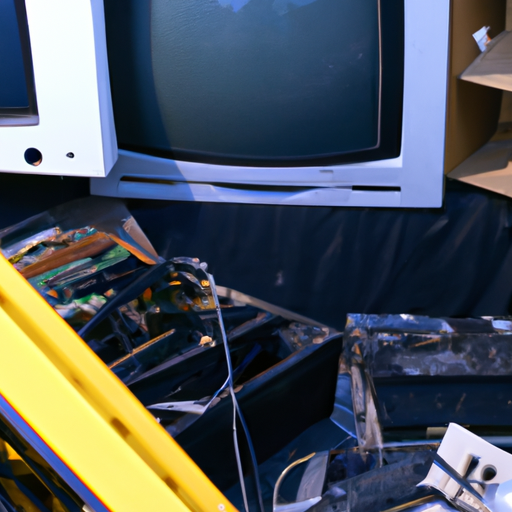
Recycling e-waste is an important part of protecting the environment and conserving natural resources. Schools, in particular, can benefit from e-waste recycling in a number of ways.
First, e-waste recycling helps schools reduce their environmental impact. Electronic waste contains hazardous materials such as lead, mercury, and cadmium, which can be released into the environment if not disposed of properly. By recycling e-waste, schools can help prevent these materials from entering the environment and causing harm.
Second, e-waste recycling can help schools save money. Electronic waste can be recycled and reused, which can help schools reduce their costs for purchasing new equipment. Additionally, many e-waste recycling programs offer financial incentives for schools that participate, which can help offset the cost of recycling.
Third, e-waste recycling can help schools teach students about the importance of environmental stewardship. By participating in e-waste recycling programs, schools can demonstrate to students the importance of protecting the environment and conserving natural resources. This can help students develop a sense of responsibility for the environment and encourage them to take action to protect it.
Finally, e-waste recycling can help schools create a more sustainable future. By recycling e-waste, schools can help reduce the amount of waste that is sent to landfills and help conserve natural resources. This can help create a more sustainable future for generations to come.
In conclusion, e-waste recycling offers a number of benefits for schools. By participating in e-waste recycling programs, schools can reduce their environmental impact, save money, teach students about environmental stewardship, and create a more sustainable future.
Teaching Students About the Dangers of E-Waste Pollution
E-waste pollution is a growing environmental concern that affects the health of both humans and the planet. As technology advances, more and more electronic devices are being produced, leading to an increase in the amount of e-waste that is generated. Unfortunately, many of these devices contain hazardous materials that can be released into the environment when they are not disposed of properly.
It is important for students to understand the dangers of e-waste pollution and how they can help reduce it. Here are some key points to consider when teaching students about e-waste pollution:
1. Explain what e-waste is. E-waste is any electronic device or component that is no longer in use. This includes computers, cell phones, televisions, and other electronic devices.
2. Explain the dangers of e-waste pollution. E-waste contains hazardous materials such as lead, mercury, and cadmium, which can be released into the environment when these devices are not disposed of properly. These materials can contaminate soil and water, leading to health problems for humans and animals.
3. Explain how to properly dispose of e-waste. Many communities have e-waste recycling programs that allow people to safely dispose of their old electronics. It is important to research local programs and take advantage of them.
4. Explain the importance of reducing e-waste. Reducing the amount of e-waste that is generated is one of the most effective ways to reduce e-waste pollution. Encourage students to think about the environmental impact of their purchases and to buy only what they need.
By teaching students about the dangers of e-waste pollution and how to properly dispose of their old electronics, we can help reduce the amount of e-waste that is generated and protect the environment.
Conclusion
E-waste management is an important issue for schools to consider. By implementing proper e-waste management practices, schools can reduce their environmental impact, save money, and ensure the safety of their students and staff. Schools should consider implementing a comprehensive e-waste management plan that includes proper collection, storage, and disposal of e-waste. Additionally, schools should educate their students and staff on the importance of e-waste management and the potential risks associated with improper disposal. By taking these steps, schools can ensure that their e-waste is managed responsibly and in an environmentally friendly manner.
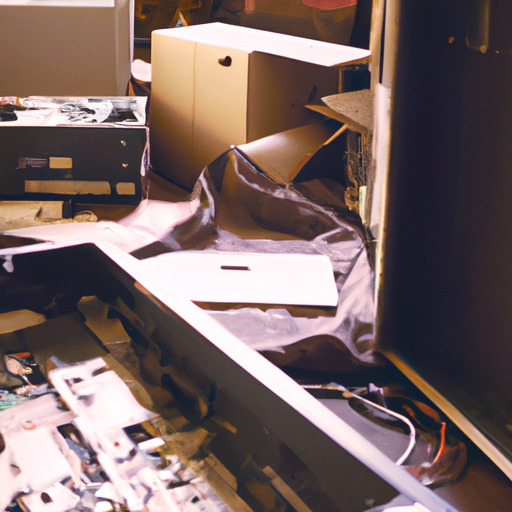
“E-Waste Management: Keeping Schools Clean and Green!”
Introduction
E-waste management is an important issue for schools to consider. With the rapid advancement of technology, schools are increasingly relying on electronic devices to support their educational activities. As a result, the amount of e-waste generated by schools is growing. E-waste management is the process of properly disposing of electronic waste in an environmentally responsible manner. It involves the collection, transportation, and disposal of e-waste in a way that minimizes its impact on the environment. This article will discuss the importance of e-waste management for schools and provide tips on how to properly manage e-waste.
How Schools Can Implement Sustainable E-Waste Management Practices
E-waste management is an increasingly important issue for schools, as technology continues to become more prevalent in the classroom. To ensure that e-waste is managed in a sustainable manner, schools should implement the following practices.
First, schools should create a comprehensive e-waste management plan. This plan should include a detailed inventory of all e-waste, including computers, printers, and other electronic devices. It should also include a timeline for disposing of e-waste, as well as a plan for recycling or repurposing any items that are no longer needed.
Second, schools should ensure that all e-waste is disposed of in an environmentally responsible manner. This includes using certified e-waste recyclers and ensuring that all e-waste is properly recycled or repurposed. Schools should also consider donating any usable e-waste to local charities or organizations.
Third, schools should educate students and staff about the importance of e-waste management. This can include providing information about the environmental impacts of e-waste, as well as teaching students and staff about proper disposal methods.
Finally, schools should consider implementing an e-waste collection program. This program should include a designated area for collecting e-waste, as well as a system for tracking and disposing of e-waste.
By implementing these practices, schools can ensure that e-waste is managed in a sustainable manner. This will help to reduce the environmental impact of e-waste, while also helping to ensure that valuable resources are not wasted.
The Benefits of E-Waste Recycling for Schools
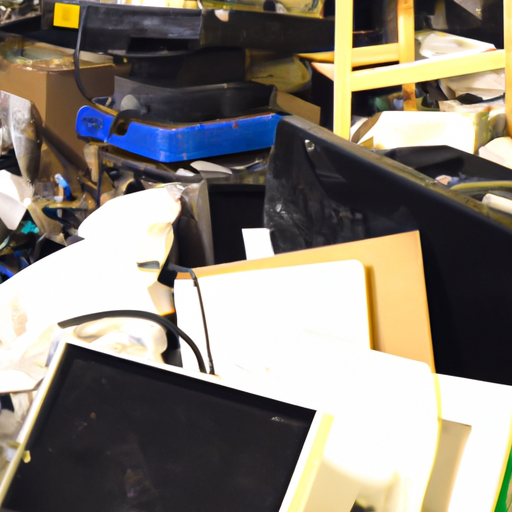
Recycling e-waste is an important part of protecting the environment and conserving natural resources. Schools, in particular, can benefit from e-waste recycling in a number of ways.
First, e-waste recycling helps schools reduce their environmental impact. Electronic waste contains hazardous materials such as lead, mercury, and cadmium, which can be released into the environment if not disposed of properly. By recycling e-waste, schools can help prevent these materials from entering the environment and causing harm.
Second, e-waste recycling can help schools save money. Many schools have limited budgets and must make difficult decisions about how to allocate their resources. By recycling e-waste, schools can save money on disposal costs and use the funds for other important projects.
Third, e-waste recycling can help schools teach students about the importance of environmental stewardship. By participating in e-waste recycling programs, schools can demonstrate to students the importance of protecting the environment and conserving natural resources. This can help students develop a sense of responsibility and appreciation for the environment.
Finally, e-waste recycling can help schools create a more sustainable future. By recycling e-waste, schools can help reduce the amount of waste that is sent to landfills and help create a more sustainable future for generations to come.
In conclusion, e-waste recycling offers a number of benefits for schools. By recycling e-waste, schools can reduce their environmental impact, save money, teach students about environmental stewardship, and create a more sustainable future.
The Impact of E-Waste on the Environment and What Schools Can Do to Help
E-waste, or electronic waste, is a growing problem in the modern world. It is defined as any discarded electrical or electronic device, such as computers, televisions, and cell phones. As technology advances, more and more of these devices become obsolete and are discarded, leading to a massive buildup of e-waste. This waste has a significant impact on the environment, and schools can play an important role in helping to reduce it.
The environmental impact of e-waste is twofold. First, many of the materials used to make electronic devices are toxic. When these devices are discarded, the toxins can leach into the soil and water, contaminating the environment. Second, e-waste takes up a great deal of space in landfills, leading to increased pressure on these already limited resources.
Fortunately, there are steps that schools can take to help reduce the amount of e-waste. One of the most effective is to encourage students and staff to recycle their old electronics. Schools can set up collection points for e-waste, and partner with local recycling centers to ensure that the materials are disposed of properly. Schools can also educate students and staff about the importance of recycling e-waste, and the potential environmental impacts of not doing so.
In addition, schools can look for ways to reduce the amount of e-waste they generate. This can include purchasing more energy-efficient devices, and extending the life of existing devices by repairing and upgrading them when possible. Schools can also look for ways to donate or resell old devices, rather than discarding them.
E-waste is a growing problem, but schools can play an important role in helping to reduce it. By encouraging recycling, educating students and staff, and reducing the amount of e-waste they generate, schools can help protect the environment and ensure a more sustainable future.
Conclusion
In conclusion, E-Waste Management is an important issue for schools to consider. It is important to ensure that all electronic waste is disposed of properly and safely. Schools should create a plan for proper disposal of e-waste, as well as educate students and staff on the importance of proper e-waste management. By taking these steps, schools can help to reduce the amount of e-waste that ends up in landfills and help to protect the environment.
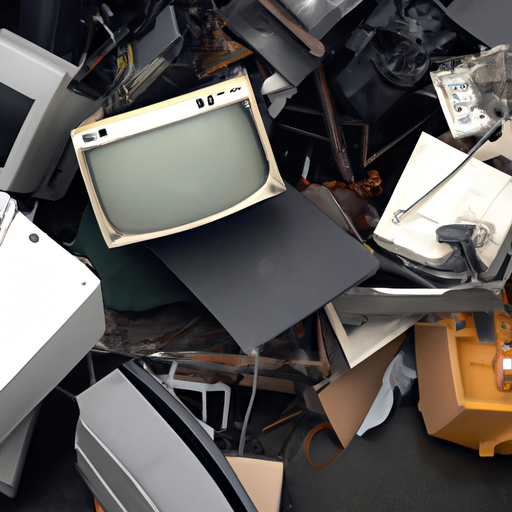
“Ewaste Management: Reducing Waste, Protecting Our Planet”
Introduction
E-waste management is the process of managing the disposal and recycling of electronic waste. Electronic waste, or e-waste, is any discarded electronic device or component that is no longer in use. This includes computers, televisions, cell phones, printers, and other electronic devices. E-waste management is important because it helps to reduce the amount of hazardous materials that are released into the environment. It also helps to conserve resources and reduce the amount of energy used in the production of new electronic devices. E-waste management is a growing concern as the amount of e-waste continues to increase. This article will discuss the importance of e-waste management and provide tips on how to properly manage e-waste.
The Benefits of Implementing an Ewaste Management System in Your Business
The implementation of an ewaste management system in a business can provide numerous benefits. Ewaste, or electronic waste, is any discarded electronic device or component, such as computers, televisions, and cell phones. As technology advances, the amount of ewaste produced is increasing exponentially. Proper management of ewaste is essential to protect the environment and human health.
The first benefit of implementing an ewaste management system is improved environmental sustainability. Ewaste contains hazardous materials, such as lead, mercury, and cadmium, which can be released into the environment if not properly managed. An ewaste management system ensures that these materials are disposed of safely and responsibly. Additionally, an ewaste management system can help reduce the amount of ewaste produced by encouraging the reuse and recycling of electronic devices.
The second benefit of implementing an ewaste management system is improved compliance with environmental regulations. Many countries have enacted laws and regulations to protect the environment from the harmful effects of ewaste. An ewaste management system can help businesses comply with these regulations by providing a framework for the safe disposal of ewaste.
The third benefit of implementing an ewaste management system is improved efficiency. An ewaste management system can help businesses reduce their costs by streamlining the disposal process. By properly managing ewaste, businesses can reduce the amount of time and money spent on disposal. Additionally, an ewaste management system can help businesses identify areas where they can reduce their ewaste production.
In conclusion, implementing an ewaste management system in a business can provide numerous benefits, including improved environmental sustainability, improved compliance with environmental regulations, and improved efficiency. By properly managing ewaste, businesses can protect the environment and reduce their costs.
How to Create an Effective Ewaste Recycling Program
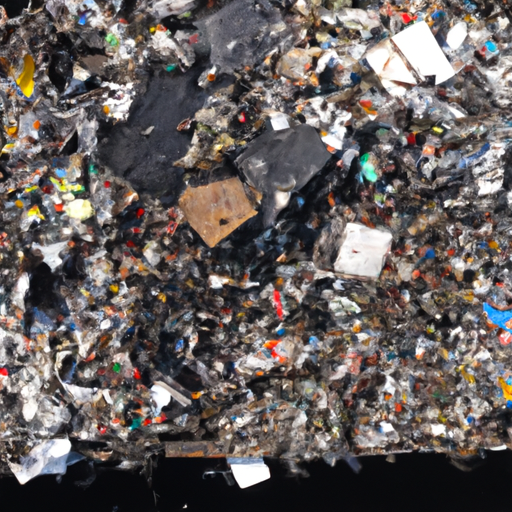
Creating an effective ewaste recycling program is an important step in protecting the environment and reducing the amount of hazardous materials that end up in landfills. Ewaste, or electronic waste, is any discarded electronic device or component, such as computers, televisions, cell phones, and other electronic items. Here are some tips for creating an effective ewaste recycling program.
1. Educate the public. The first step in creating an effective ewaste recycling program is to educate the public about the importance of recycling ewaste. This can be done through public service announcements, posters, and other forms of media. It is important to emphasize the environmental benefits of recycling ewaste, as well as the potential health risks associated with improper disposal.
2. Establish collection sites. Establishing collection sites for ewaste is an important part of any recycling program. These sites should be easily accessible and clearly marked. It is also important to provide information about the types of ewaste that can be recycled and how to properly dispose of them.
3. Partner with local businesses. Partnering with local businesses is a great way to increase the reach of your ewaste recycling program. Businesses can provide collection sites for ewaste, as well as offer incentives for customers who recycle their ewaste.
4. Utilize existing recycling centers. Many cities and towns have existing recycling centers that can be used for ewaste recycling. These centers can provide collection sites, as well as information about proper disposal methods.
5. Promote the program. Promoting the program is essential for its success. This can be done through social media, local newspapers, and other forms of media. It is important to emphasize the environmental benefits of recycling ewaste, as well as the potential health risks associated with improper disposal.
By following these tips, you can create an effective ewaste recycling program that will help protect the environment and reduce the amount of hazardous materials that end up in landfills.
The Impact of Ewaste on the Environment and What We Can Do to Reduce It
E-waste, or electronic waste, is a growing problem in the modern world. It is defined as any discarded electrical or electronic device, such as computers, televisions, cell phones, and other electronic items. As technology advances, more and more of these items are being discarded, leading to a significant environmental impact.
The most significant environmental impact of e-waste is the release of hazardous materials into the environment. Many electronic devices contain toxic materials such as lead, mercury, and cadmium, which can be released into the air, soil, and water when these devices are not disposed of properly. These materials can cause serious health problems, including cancer, neurological damage, and reproductive issues. In addition, the burning of e-waste releases dioxins and furans, which are highly toxic chemicals that can cause respiratory and reproductive problems.
The second major environmental impact of e-waste is the depletion of natural resources. Many electronic devices contain valuable metals such as gold, silver, and copper, which are extracted from the earth. As more and more of these devices are discarded, the demand for these metals increases, leading to the depletion of these resources.
Fortunately, there are steps that can be taken to reduce the environmental impact of e-waste. The first step is to reduce the amount of e-waste that is produced. This can be done by purchasing fewer electronic devices and using them for longer periods of time. Additionally, consumers should look for products that are made from recycled materials or are designed to be recycled.
The second step is to properly dispose of e-waste. Many local governments have programs in place to collect and recycle e-waste. Consumers should take advantage of these programs to ensure that their e-waste is disposed of in an environmentally responsible manner.
Finally, consumers should be aware of the potential environmental impacts of e-waste and take steps to reduce their own contribution to the problem. By following these steps, we can all help to reduce the environmental impact of e-waste and ensure a healthier future for our planet.
Conclusion
E-waste management is an important issue that needs to be addressed in order to protect the environment and human health. It is essential to develop effective strategies to reduce the amount of e-waste generated, to ensure proper collection and disposal of e-waste, and to promote the reuse and recycling of e-waste. Governments, businesses, and individuals all have a role to play in ensuring that e-waste is managed responsibly. With the right policies and practices in place, we can ensure that e-waste does not become a major environmental and health hazard.
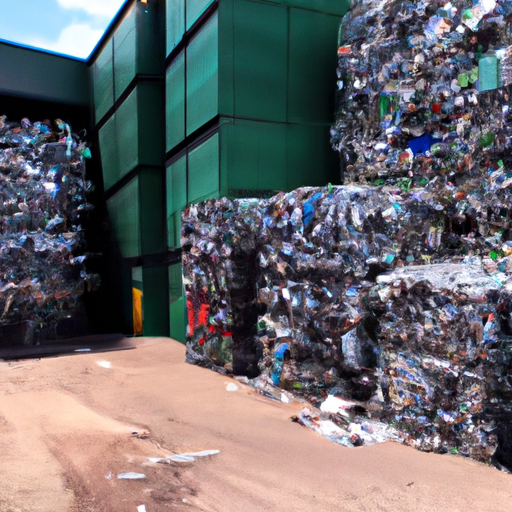
“E-Waste Management Perth: Responsible Solutions for a Greener Future”
Introduction
E-Waste Management Perth is a leading provider of e-waste management services in Western Australia. We specialize in the collection, recycling, and disposal of all types of electronic waste, including computers, laptops, tablets, mobile phones, and other electronic devices. We are committed to providing a safe and responsible solution for the disposal of e-waste, and we strive to ensure that all e-waste is recycled in an environmentally responsible manner. Our team of experienced professionals is dedicated to providing the highest quality of service and customer satisfaction. We are proud to be a part of the effort to reduce the amount of e-waste in our environment.
The Benefits of Recycling E-Waste in Perth
Recycling e-waste in Perth is an important step in protecting the environment and preserving natural resources. E-waste, or electronic waste, is any discarded electronic device or component, such as computers, televisions, cell phones, and other electronic items. As technology advances, more and more of these items are being discarded, creating a growing environmental problem. By recycling e-waste in Perth, we can help reduce the amount of waste that ends up in landfills and help protect the environment.
One of the primary benefits of recycling e-waste in Perth is that it helps to conserve natural resources. Many of the components found in e-waste, such as metals, plastics, and glass, can be recycled and reused. This helps to reduce the need to extract new resources from the environment, which can have a negative impact on the environment. Additionally, recycling e-waste helps to reduce the amount of energy needed to produce new products, which can help to reduce greenhouse gas emissions.
Recycling e-waste in Perth also helps to reduce the amount of hazardous materials that end up in landfills. Many of the components found in e-waste contain hazardous materials, such as lead, mercury, and cadmium, which can be harmful to the environment if not disposed of properly. By recycling e-waste, these materials can be safely disposed of and kept out of landfills.
Finally, recycling e-waste in Perth can help to create jobs. By recycling e-waste, companies can create jobs for people who are trained to safely and properly dispose of e-waste. This can help to create a more sustainable economy and provide employment opportunities for those who may not otherwise have access to them.
Recycling e-waste in Perth is an important step in protecting the environment and preserving natural resources. By recycling e-waste, we can help to reduce the amount of hazardous materials that end up in landfills, conserve natural resources, and create jobs. By taking the time to recycle e-waste, we can help to ensure a healthier and more sustainable future for our planet.
How to Properly Dispose of E-Waste in Perth
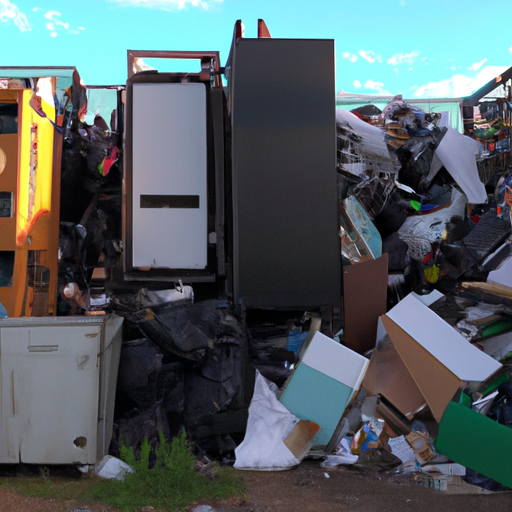
E-waste, or electronic waste, is a growing problem in Perth and across the world. It is important to properly dispose of e-waste to protect the environment and ensure that hazardous materials are not released into the environment. Here are some tips on how to properly dispose of e-waste in Perth.
1. Check with your local council. Many local councils in Perth offer e-waste collection services. Contact your local council to find out what services are available in your area.
2. Use a reputable e-waste recycler. There are many e-waste recyclers in Perth that can help you dispose of your e-waste safely and responsibly. Make sure to research the company before using their services.
3. Donate your e-waste. If your e-waste is still in working condition, consider donating it to a charity or organisation that can make use of it.
4. Take it to a recycling centre. There are several recycling centres in Perth that accept e-waste. Contact your local council to find out where the nearest recycling centre is located.
5. Use a mail-in service. Some companies offer mail-in services for e-waste disposal. This is a convenient option if you don’t have access to a recycling centre or e-waste recycler.
By following these tips, you can help ensure that your e-waste is disposed of properly and safely. Remember, it is important to take responsibility for your e-waste and ensure that it is disposed of in an environmentally friendly manner.
The Impact of E-Waste on the Environment in Perth
E-waste, or electronic waste, is a growing problem in Perth and around the world. It is defined as any discarded electrical or electronic device, such as computers, televisions, mobile phones, and other electronic items. As technology advances, more and more of these items are being discarded, leading to a significant environmental impact.
In Perth, e-waste is a major source of pollution. It contains a variety of hazardous materials, such as lead, mercury, and cadmium, which can leach into the soil and water, contaminating the environment. In addition, the burning of e-waste releases toxic chemicals into the air, which can cause respiratory problems and other health issues.
E-waste also has an economic impact. It is estimated that the cost of disposing of e-waste in Perth is around $20 million per year. This cost is passed on to consumers in the form of higher prices for new electronics.
The good news is that there are ways to reduce the environmental impact of e-waste. One way is to recycle or reuse old electronics. Many companies in Perth offer e-waste recycling services, which can help reduce the amount of e-waste that ends up in landfills. In addition, consumers can purchase refurbished electronics, which can help reduce the demand for new electronics and reduce the amount of e-waste produced.
Finally, it is important to be aware of the environmental impact of e-waste and to take steps to reduce it. By recycling or reusing old electronics, purchasing refurbished electronics, and being aware of the environmental impact of e-waste, we can help reduce the environmental impact of e-waste in Perth and around the world.
Conclusion
E-waste management in Perth is an important issue that needs to be addressed. With the increasing amount of electronic waste being generated, it is essential that proper disposal and recycling methods are implemented to reduce the environmental impact of this waste. By implementing effective e-waste management strategies, Perth can ensure that its citizens are able to enjoy a clean and healthy environment. Furthermore, by taking the necessary steps to reduce the amount of e-waste generated, Perth can help to protect the environment and ensure that its citizens have access to a safe and healthy environment.
“E-Waste Management: A Sustainable Solution for a Greener Future”
Introduction
E-waste management is the process of managing the disposal and recycling of electronic waste. Electronic waste, or e-waste, is any discarded electronic device or component that is no longer in use. This includes computers, televisions, cell phones, and other electronic devices. E-waste management is important because it helps to reduce the amount of hazardous materials that are released into the environment. It also helps to conserve resources and reduce the amount of energy used in the production of new electronic devices. E-waste management involves the collection, sorting, and recycling of e-waste. It also includes the proper disposal of hazardous materials, such as lead, mercury, and cadmium. By properly managing e-waste, we can help to protect the environment and conserve resources.
The Benefits of Implementing an E-Waste Management System
The implementation of an effective e-waste management system is essential for the protection of the environment and the health of the public. E-waste, or electronic waste, is a growing problem in many countries, as it contains hazardous materials that can be damaging to the environment and human health if not disposed of properly. An e-waste management system can help to reduce the amount of e-waste that is produced, as well as ensure that it is disposed of in a safe and responsible manner.
The first benefit of implementing an e-waste management system is that it can help to reduce the amount of e-waste that is produced. By providing incentives for people to recycle their old electronics, or to donate them to organizations that can reuse them, the amount of e-waste that is produced can be significantly reduced. This can help to reduce the amount of hazardous materials that are released into the environment, as well as reduce the amount of energy and resources that are used to produce new electronics.
The second benefit of implementing an e-waste management system is that it can help to ensure that e-waste is disposed of in a safe and responsible manner. By providing guidelines and regulations for the proper disposal of e-waste, it can help to ensure that hazardous materials are not released into the environment. This can help to protect the health of the public, as well as the environment.
Finally, implementing an e-waste management system can help to create jobs and economic opportunities. By providing incentives for people to recycle their old electronics, or to donate them to organizations that can reuse them, it can help to create jobs in the recycling and reuse industry. This can help to stimulate the economy, as well as provide employment opportunities for those who may not otherwise have access to them.
In conclusion, the implementation of an effective e-waste management system can provide numerous benefits for the environment and the public. By reducing the amount of e-waste that is produced, ensuring that it is disposed of in a safe and responsible manner, and creating jobs and economic opportunities, an e-waste management system can help to protect the environment and the health of the public.
How to Properly Dispose of E-Waste
Electronic waste, or e-waste, is a growing problem in the world today. As technology advances, more and more electronic devices become obsolete and are discarded. Unfortunately, many of these devices contain hazardous materials that can be damaging to the environment if not disposed of properly. To ensure that e-waste is disposed of in a safe and responsible manner, it is important to understand the proper disposal methods.
The first step in properly disposing of e-waste is to determine if the device can be reused or recycled. Many electronic devices can be refurbished and donated to charities or other organizations. If the device is not suitable for reuse, it should be recycled. Many local governments and organizations offer e-waste recycling programs. These programs allow consumers to drop off their old electronics at designated locations for proper disposal.
If the device cannot be reused or recycled, it should be disposed of in a safe and responsible manner. Many electronic devices contain hazardous materials such as lead, mercury, and cadmium. These materials can be damaging to the environment if not disposed of properly. To ensure that these materials are not released into the environment, it is important to take the device to a certified e-waste recycler. These recyclers are trained to safely and responsibly dispose of e-waste.
Finally, it is important to be aware of the potential risks associated with e-waste. Many electronic devices contain personal information that can be accessed by criminals if the device is not properly disposed of. To protect your personal information, it is important to erase all data from the device before disposing of it.
By following these steps, you can ensure that your e-waste is disposed of in a safe and responsible manner. By taking the time to properly dispose of your e-waste, you can help protect the environment and keep your personal information secure.
The Impact of E-Waste on the Environment and Human Health
E-waste, or electronic waste, is a growing problem in the modern world. It is defined as any discarded electronic device or component, such as computers, televisions, cell phones, and other electronic items. As technology advances, more and more of these items are being discarded, leading to a significant environmental and health hazard.
The environmental impact of e-waste is significant. Many of the components of e-waste contain hazardous materials, such as lead, mercury, and cadmium, which can leach into the soil and water supply. This can lead to contamination of the environment and can have a negative impact on the health of both humans and animals. In addition, the burning of e-waste releases toxic chemicals into the air, which can cause respiratory problems and other health issues.
The human health impacts of e-waste are also concerning. Many of the components of e-waste contain hazardous materials, such as lead, mercury, and cadmium, which can be absorbed through the skin or inhaled. These materials can cause a variety of health problems, including neurological damage, reproductive problems, and cancer. In addition, the burning of e-waste releases toxic chemicals into the air, which can cause respiratory problems and other health issues.
The best way to reduce the environmental and health impacts of e-waste is to properly dispose of it. Many countries have laws in place that require e-waste to be recycled or disposed of in an environmentally responsible manner. In addition, many companies offer e-waste recycling services, which can help to reduce the amount of e-waste that ends up in landfills.
In conclusion, e-waste is a growing problem that has significant environmental and health impacts. It is important to properly dispose of e-waste in order to reduce these impacts and protect the environment and human health.
Conclusion
E-waste management is an important issue that needs to be addressed in order to protect the environment and human health. It is essential to develop effective strategies to reduce the amount of e-waste generated, and to ensure that the waste is properly recycled and disposed of. Governments, businesses, and individuals all have a role to play in reducing e-waste and ensuring that it is managed responsibly. By taking action now, we can help to protect our environment and ensure a sustainable future.
“Reduce, Reuse, Recycle: Make a Difference with Ewaste!”
Introduction
Recycling e-waste is an important part of protecting the environment and conserving natural resources. E-waste, or electronic waste, is any discarded electronic device or component that is no longer in use. This includes computers, cell phones, televisions, and other electronic items. Recycling e-waste helps to reduce the amount of hazardous materials that are released into the environment, as well as conserving energy and resources. In this article, we will discuss the importance of recycling e-waste and provide tips on how to do it properly.
How to Properly Dispose of E-Waste: A Step-by-Step Guide
1. Research local e-waste disposal options. Check with your local government or waste management company to find out what e-waste disposal options are available in your area.
2. Separate your e-waste. Sort your e-waste into categories such as computers, monitors, printers, and other electronic devices.
3. Contact a certified e-waste recycler. Contact a certified e-waste recycler to arrange for the pickup or drop-off of your e-waste.
4. Prepare your e-waste for disposal. Remove all personal data from your e-waste and make sure all components are disconnected and ready for disposal.
5. Dispose of your e-waste. Drop off your e-waste at a certified e-waste recycler or have it picked up by a certified e-waste recycler.
6. Confirm your e-waste has been recycled. Ask the certified e-waste recycler for proof that your e-waste has been recycled in an environmentally responsible manner.
7. Monitor your e-waste disposal. Keep track of the e-waste you have disposed of and make sure it is recycled in an environmentally responsible manner.
The Benefits of Recycling E-Waste: Why It’s Important to Do It Right
Recycling e-waste is an important part of protecting the environment and conserving natural resources. Electronic waste, or e-waste, is any discarded electronic device or component that is no longer in use. This includes computers, televisions, cell phones, and other electronic items. E-waste is a growing problem, as more and more electronic devices are produced and discarded each year.
Recycling e-waste is beneficial for a number of reasons. First, it helps to reduce the amount of waste that is sent to landfills. Electronic waste contains hazardous materials such as lead, mercury, and cadmium, which can leach into the soil and contaminate groundwater. By recycling e-waste, these materials can be safely disposed of and kept out of the environment.
Second, recycling e-waste helps to conserve natural resources. Many of the materials used to make electronic devices, such as metals and plastics, are finite resources. By recycling these materials, we can reduce the need to extract new resources from the earth.
Third, recycling e-waste helps to create jobs. Recycling centers employ people to sort, process, and repurpose e-waste. This creates jobs and helps to stimulate the economy.
Finally, recycling e-waste helps to reduce energy consumption. Recycling centers use less energy than manufacturing plants, so recycling e-waste helps to reduce our overall energy consumption.
It is important to recycle e-waste properly. Many recycling centers accept e-waste, but not all of them are certified to do so. It is important to find a certified recycling center that follows proper safety protocols and uses the latest technology to ensure that e-waste is recycled safely and responsibly.
In conclusion, recycling e-waste is an important part of protecting the environment and conserving natural resources. It helps to reduce the amount of waste sent to landfills, conserve natural resources, create jobs, and reduce energy consumption. It is important to recycle e-waste properly, so it is important to find a certified recycling center that follows proper safety protocols.
How to Find a Local E-Waste Recycling Center: Tips for Finding the Right Place
If you are looking for a local e-waste recycling center, there are a few tips you should keep in mind to ensure you find the right place.
First, research the local e-waste recycling centers in your area. You can do this by searching online or asking your local government for a list of certified e-waste recyclers. Make sure to check the credentials of each center to ensure they are certified and have the necessary permits to recycle e-waste.
Second, contact the centers you are interested in to ask about their services. Find out what types of e-waste they accept, what their recycling process is, and what fees they charge. This will help you determine which center is the best fit for your needs.
Third, consider the location of the center. If you are looking for a local e-waste recycling center, make sure it is close enough for you to easily transport your e-waste.
Finally, ask for references. Ask the center for references from previous customers to get an idea of their customer service and quality of work.
By following these tips, you can find the right local e-waste recycling center for your needs. Doing your research and asking the right questions will help you make an informed decision and ensure you are working with a reputable center.
Conclusion
Recycling e-waste is an important step in protecting our environment and conserving natural resources. It is also a great way to reduce the amount of waste that ends up in landfills. By following the steps outlined in this article, you can help to reduce the amount of e-waste that is produced and ensure that it is recycled properly. With a little effort, we can all do our part to help protect our planet and ensure a sustainable future.
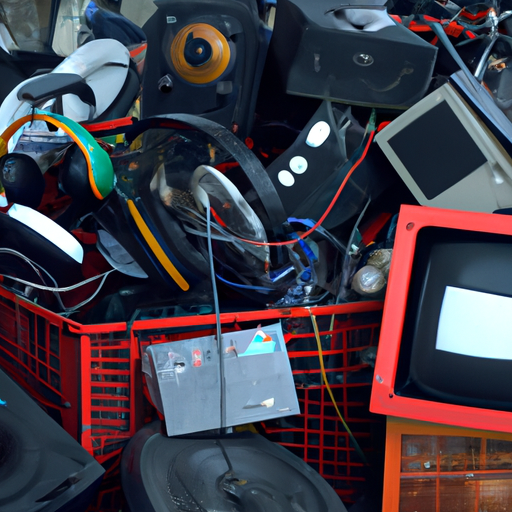
“Recycle Responsibly – Protect Our Planet with E-Waste!”
Introduction
Recycling e-waste is an important part of protecting the environment and conserving natural resources. E-waste, or electronic waste, is any discarded electronic device or component that is no longer in use. This includes computers, cell phones, televisions, and other electronic items. Recycling e-waste helps to reduce the amount of hazardous materials that are released into the environment, as well as conserving resources that would otherwise be wasted. In this article, we will discuss the importance of recycling e-waste, as well as how to properly recycle it.
How to Properly Dispose of E-Waste: A Step-by-Step Guide
1. Research local e-waste disposal options. Check with your local government or waste management company to find out what e-waste disposal options are available in your area.
2. Separate your e-waste. Sort your e-waste into categories such as computers, monitors, printers, and other electronic devices.
3. Contact a certified e-waste recycler. Contact a certified e-waste recycler to arrange for the pickup or drop-off of your e-waste.
4. Prepare your e-waste for disposal. Remove all personal data from your e-waste and make sure all components are disconnected and ready for disposal.
5. Dispose of your e-waste. Drop off your e-waste at a certified e-waste recycler or have it picked up by a certified e-waste recycler.
6. Confirm your e-waste has been recycled. Ask the certified e-waste recycler for proof that your e-waste has been recycled in an environmentally responsible manner.
7. Monitor your e-waste disposal. Keep track of the e-waste you have disposed of and make sure it is recycled in an environmentally responsible manner.
The Benefits of Recycling E-Waste: Why It’s Important to Do It Right
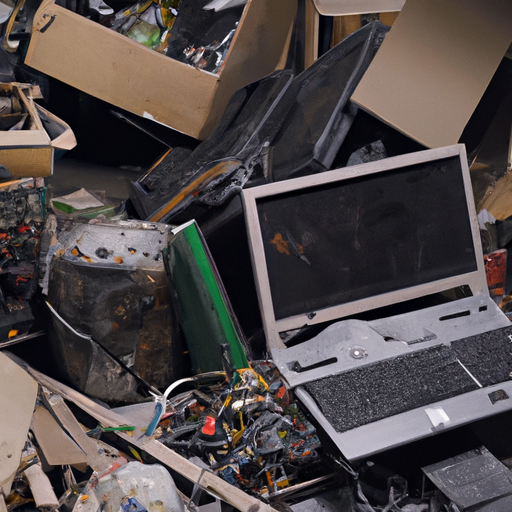
Recycling e-waste is an important part of protecting the environment and conserving natural resources. Electronic waste, or e-waste, is any discarded electronic device or component that is no longer in use. This includes computers, televisions, cell phones, and other electronic items. E-waste is a growing problem, as more and more electronic devices are produced and discarded each year.
Recycling e-waste is beneficial for a number of reasons. First, it reduces the amount of waste that is sent to landfills. Electronic waste contains hazardous materials such as lead, mercury, and cadmium, which can leach into the soil and contaminate groundwater. By recycling e-waste, these materials can be safely disposed of and kept out of the environment.
Second, recycling e-waste conserves natural resources. Many of the materials used to make electronic devices, such as copper, gold, and silver, are finite resources. By recycling these materials, we can reduce the need to extract new resources from the earth.
Third, recycling e-waste can help create jobs. Many companies specialize in recycling e-waste, and these companies often employ people to sort, dismantle, and process the materials. This can help create jobs in the local community and provide economic benefits.
Finally, recycling e-waste can help reduce energy consumption. Manufacturing new electronic devices requires a lot of energy, and recycling e-waste can help reduce the need for new production. This can help reduce greenhouse gas emissions and contribute to a healthier environment.
It is important to note, however, that recycling e-waste must be done properly. Improper disposal of e-waste can lead to the release of hazardous materials into the environment, which can be harmful to human health and the environment. It is important to find a reputable recycling company that follows proper safety protocols and is certified by the Environmental Protection Agency (EPA).
In conclusion, recycling e-waste is an important part of protecting the environment and conserving natural resources. It can reduce the amount of waste sent to landfills, conserve natural resources, create jobs, and reduce energy consumption. However, it is important to ensure that e-waste is recycled properly in order to avoid the release of hazardous materials into the environment.
How to Find a Responsible E-Waste Recycling Facility Near You
Responsible e-waste recycling is an important part of protecting the environment and preserving natural resources. To ensure that your e-waste is recycled responsibly, it is important to find a reliable and responsible e-waste recycling facility near you. Here are some tips to help you find a responsible e-waste recycling facility:
1. Research local e-waste recycling facilities: Start by researching local e-waste recycling facilities in your area. Look for facilities that are certified by the Basel Action Network (BAN) or the e-Stewards Initiative. These organizations certify e-waste recyclers who adhere to the highest standards of responsible e-waste recycling.
2. Ask questions: Once you have identified a few potential e-waste recycling facilities, contact them and ask questions about their recycling process. Find out what types of e-waste they accept, how they handle hazardous materials, and what measures they take to ensure that e-waste is recycled responsibly.
3. Check reviews: Check online reviews to get an idea of the quality of service provided by the e-waste recycling facility. Look for reviews from customers who have used the facility and ask them about their experience.
4. Visit the facility: If possible, visit the facility in person to get a better understanding of their operations. Ask to see their recycling process and make sure that they are following all safety protocols.
By following these tips, you can find a responsible e-waste recycling facility near you. Doing so will help ensure that your e-waste is recycled responsibly and help protect the environment.
Conclusion
Recycling e-waste is an important step in protecting our environment and reducing the amount of waste that ends up in landfills. By following the steps outlined in this article, you can help to reduce the amount of e-waste that is produced and ensure that it is recycled properly. By taking the time to properly recycle e-waste, you can help to protect our planet and ensure that our future generations have a healthy and sustainable environment to live in.
“Reuse Recycle IT: Reducing Waste, Saving Resources, and Protecting the Environment!”
Introduction
Reuse Recycle IT is a company that specializes in the reuse and recycling of IT equipment. They are dedicated to providing businesses and individuals with the highest quality of IT equipment at the most affordable prices. They offer a wide range of services, including IT asset recovery, data destruction, and IT asset remarketing. Reuse Recycle IT is committed to helping businesses and individuals reduce their environmental impact by providing them with the opportunity to reuse and recycle their IT equipment. They also strive to provide the highest level of customer service and satisfaction.
The Benefits of Reusing and Recycling IT Equipment: How to Make the Most of Your IT Budget
Reusing and recycling IT equipment is an effective way to make the most of an IT budget. By taking advantage of these practices, businesses can save money, reduce their environmental impact, and ensure that their IT systems remain up-to-date.
The primary benefit of reusing and recycling IT equipment is cost savings. By reusing existing hardware, businesses can avoid the expense of purchasing new equipment. Additionally, businesses can save money by recycling their old IT equipment. By selling or donating their used IT equipment, businesses can recoup some of the cost of their original purchase.
Reusing and recycling IT equipment also helps businesses reduce their environmental impact. By reusing existing hardware, businesses can reduce the amount of energy and resources needed to manufacture new equipment. Additionally, recycling IT equipment helps to reduce the amount of electronic waste that is sent to landfills.
Finally, reusing and recycling IT equipment can help businesses keep their IT systems up-to-date. By reusing existing hardware, businesses can upgrade their systems without having to purchase new equipment. Additionally, businesses can use recycled IT equipment to replace outdated hardware and ensure that their systems remain secure and efficient.
Reusing and recycling IT equipment is an effective way to make the most of an IT budget. By taking advantage of these practices, businesses can save money, reduce their environmental impact, and ensure that their IT systems remain up-to-date.
How to Properly Dispose of Old IT Equipment: What You Need to Know
Properly disposing of old IT equipment is an important part of any business’s IT strategy. Not only is it important to protect the environment, but it is also important to protect the company’s data and ensure compliance with applicable laws and regulations. Here is what you need to know about properly disposing of old IT equipment.
First, it is important to assess the equipment to determine if it can be reused or recycled. If the equipment is still in good working condition, it may be possible to donate it to a local charity or school. If the equipment is no longer usable, it should be recycled in accordance with applicable laws and regulations.
Second, it is important to ensure that all data is securely wiped from the equipment before it is disposed of. This includes any hard drives, memory cards, or other storage devices. It is also important to ensure that any software licenses are deactivated and that any warranties are voided.
Third, it is important to ensure that the equipment is disposed of in an environmentally responsible manner. This may include recycling the equipment through a certified recycler or donating it to a local charity or school.
Finally, it is important to keep records of the disposal process. This includes the date of disposal, the method of disposal, and any other relevant information. This will help ensure compliance with applicable laws and regulations and provide a record of the disposal process.
By following these steps, businesses can ensure that their old IT equipment is disposed of in a safe and responsible manner. This will help protect the environment, protect the company’s data, and ensure compliance with applicable laws and regulations.
The Impact of Reusing and Recycling IT Equipment on the Environment: What You Need to Know
Reusing and recycling IT equipment is an important part of reducing the environmental impact of technology. By reusing and recycling IT equipment, we can reduce the amount of waste that is sent to landfills, conserve natural resources, and reduce the amount of energy used to manufacture new products.
When IT equipment is reused, it is typically refurbished and then sold or donated to another user. This process reduces the amount of waste that is sent to landfills, as well as the amount of energy used to manufacture new products. Reusing IT equipment also helps to conserve natural resources, as fewer resources are needed to produce new products.
When IT equipment is recycled, it is typically broken down into its component parts and then reused or recycled. This process helps to reduce the amount of waste that is sent to landfills, as well as the amount of energy used to manufacture new products. Recycling IT equipment also helps to conserve natural resources, as fewer resources are needed to produce new products.
In addition to reducing the amount of waste sent to landfills and conserving natural resources, reusing and recycling IT equipment can also help to reduce the amount of energy used to manufacture new products. By reusing and recycling IT equipment, manufacturers can reduce the amount of energy used to produce new products, as fewer resources are needed to produce them. This can help to reduce the amount of greenhouse gases released into the atmosphere, which can help to reduce the effects of climate change.
Overall, reusing and recycling IT equipment can have a positive impact on the environment. By reusing and recycling IT equipment, we can reduce the amount of waste sent to landfills, conserve natural resources, and reduce the amount of energy used to manufacture new products. This can help to reduce the amount of greenhouse gases released into the atmosphere, which can help to reduce the effects of climate change.
Conclusion
Reuse Recycle IT is a great way to reduce the amount of electronic waste that ends up in landfills. By providing a safe and secure way to donate, recycle, and reuse electronics, Reuse Recycle IT helps to reduce the environmental impact of electronic waste. It also provides a great way for individuals and businesses to save money by donating or recycling their old electronics. Reuse Recycle IT is a great way to help the environment and save money at the same time.
“E-Waste Solutions: Your Partner in Responsible Recycling”
Introduction
E-Waste Solutions is a leading provider of comprehensive e-waste management services. We specialize in the safe and responsible disposal of electronic waste, including computers, laptops, tablets, cell phones, and other electronic devices. Our services include collection, transportation, and recycling of e-waste, as well as data destruction and asset recovery. We are committed to providing our customers with the highest quality of service and the most secure and cost-effective solutions for their e-waste disposal needs.
Exploring the Benefits of Recycling E-Waste: How It Can Help the Environment and Your Bottom Line
Recycling e-waste is an important step in protecting the environment and reducing the amount of waste that ends up in landfills. It can also help businesses save money and increase their bottom line. In this article, we will explore the benefits of recycling e-waste and how it can help the environment and your bottom line.
Recycling e-waste helps to reduce the amount of hazardous materials that are released into the environment. Electronic waste contains a variety of hazardous materials, such as lead, mercury, and cadmium, which can be released into the environment if not properly disposed of. By recycling e-waste, these hazardous materials can be safely contained and disposed of, reducing the risk of environmental contamination.
Recycling e-waste also helps to conserve natural resources. Many electronic components are made from valuable resources, such as gold, silver, and copper. By recycling these components, these resources can be reused, reducing the need to extract new resources from the environment. This helps to reduce the environmental impact of mining and other resource extraction activities.
Recycling e-waste can also help businesses save money. By recycling e-waste, businesses can reduce their waste disposal costs, as well as the costs associated with purchasing new electronic components. This can help businesses to reduce their overall operating costs, increasing their bottom line.
Finally, recycling e-waste can help to create jobs. By recycling e-waste, businesses can create jobs in the recycling industry, which can help to stimulate the local economy. This can help to create a more vibrant and prosperous community.
In conclusion, recycling e-waste can help to protect the environment, conserve natural resources, save businesses money, and create jobs. It is an important step in reducing the amount of waste that ends up in landfills and helping to create a more sustainable future.
The Growing Problem of E-Waste: What Can We Do to Reduce It?
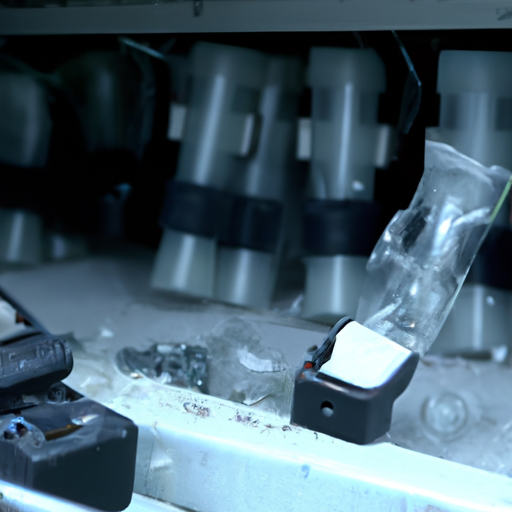
E-waste, or electronic waste, is a growing problem in the modern world. It is defined as any discarded electrical or electronic device, such as computers, televisions, cell phones, and other electronic items. As technology advances, more and more of these items are being discarded, leading to a significant environmental issue.
The problem of e-waste is twofold. First, it is a source of hazardous materials, such as lead, mercury, and cadmium, which can leach into the environment and cause health problems. Second, it is a source of valuable resources, such as copper, gold, and silver, which can be recycled and reused.
Fortunately, there are steps that can be taken to reduce the amount of e-waste. One of the most effective is to encourage people to recycle their old electronics. Many cities and towns have established recycling programs for electronic items, and these should be utilized whenever possible. Additionally, people should be encouraged to donate their old electronics to charities or other organizations that can refurbish and reuse them.
Another way to reduce e-waste is to purchase electronics that are designed to be more energy efficient and have a longer lifespan. This will reduce the amount of energy used and the amount of waste generated. Additionally, manufacturers should be encouraged to use more sustainable materials in their products, such as recycled plastics and metals.
Finally, governments should create incentives for companies to develop more efficient and sustainable products. This could include tax breaks or other financial incentives for companies that develop products with a longer lifespan or that use more sustainable materials.
In conclusion, e-waste is a growing problem that needs to be addressed. Fortunately, there are steps that can be taken to reduce the amount of e-waste, such as encouraging people to recycle their old electronics, purchasing more energy efficient and longer lasting products, and creating incentives for companies to develop more sustainable products. By taking these steps, we can help reduce the amount of e-waste and protect our environment.
The Latest Innovations in E-Waste Solutions: What Are the Most Effective Strategies?
E-waste, or electronic waste, is a growing problem in the modern world. As technology advances, more and more electronic devices are being discarded, leading to a massive buildup of hazardous materials in landfills. To combat this issue, many organizations have developed innovative solutions to reduce the amount of e-waste that is produced. Here, we will discuss some of the most effective strategies for e-waste solutions.
One of the most effective strategies for e-waste solutions is recycling. By recycling electronic devices, valuable materials can be recovered and reused in the production of new products. This reduces the amount of e-waste that is sent to landfills and helps to conserve natural resources. Additionally, recycling can help to reduce the amount of hazardous materials that are released into the environment.
Another effective strategy for e-waste solutions is reuse. By refurbishing and reselling used electronic devices, organizations can help to reduce the amount of e-waste that is produced. This also helps to reduce the cost of purchasing new devices, as refurbished devices are often much cheaper than new ones. Additionally, refurbished devices can be sold to those who may not be able to afford new devices, helping to bridge the digital divide.
Finally, organizations can also reduce e-waste by encouraging the use of renewable energy sources. By using renewable energy sources, such as solar and wind power, organizations can reduce their reliance on electricity generated from fossil fuels. This helps to reduce the amount of hazardous materials that are released into the environment, as well as reducing the amount of e-waste that is produced.
In conclusion, there are many effective strategies for e-waste solutions. By recycling, reusing, and encouraging the use of renewable energy sources, organizations can help to reduce the amount of e-waste that is produced. This helps to conserve natural resources and reduce the amount of hazardous materials that are released into the environment.
Conclusion
E-waste solutions are an important part of our society and our environment. By implementing proper recycling and disposal methods, we can reduce the amount of e-waste that is produced and help to protect our environment. Additionally, by educating ourselves and others about the importance of e-waste solutions, we can help to ensure that our planet is safe and healthy for future generations.
“E-Waste: A Growing Problem That Needs Our Attention Now!”
Introduction
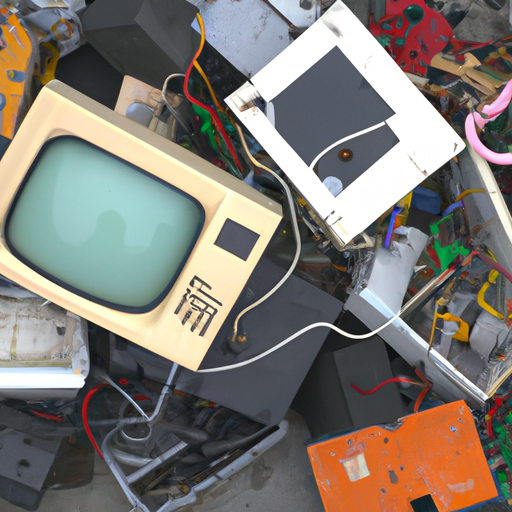
E-waste is a growing problem in the world today. It is the term used to describe discarded electronic products such as computers, cell phones, televisions, and other electronic devices. E-waste is a major environmental concern due to the hazardous materials contained in these products, such as lead, mercury, and cadmium. These materials can leach into the environment and cause serious health and environmental problems. In addition, the improper disposal of e-waste can lead to the release of toxic chemicals into the air, water, and soil. This article will discuss the problems associated with e-waste and the steps that can be taken to reduce its impact on the environment.
The Growing Problem of E-Waste: How to Reduce Your Impact
E-waste, or electronic waste, is a growing problem in the modern world. As technology advances, more and more electronic devices become obsolete and are discarded. This waste is a major source of pollution, as it contains hazardous materials such as lead, mercury, and cadmium. In addition, the improper disposal of e-waste can lead to the release of these toxins into the environment, causing serious health and environmental problems.
Fortunately, there are steps that individuals can take to reduce their impact on the environment. The first step is to reduce the amount of e-waste produced. This can be done by purchasing fewer electronic devices and making sure to use them for as long as possible. Additionally, when it is time to upgrade, consider buying refurbished or second-hand devices instead of new ones.
The second step is to properly dispose of e-waste. Many local governments have programs in place to collect and recycle e-waste. Contact your local government to find out what services are available in your area. Additionally, many retailers and manufacturers offer take-back programs for their products.
Finally, it is important to be aware of the potential hazards of e-waste. Many electronic devices contain hazardous materials, such as lead, mercury, and cadmium. When disposing of these devices, make sure to follow the instructions provided by the manufacturer or retailer.
By following these steps, individuals can reduce their impact on the environment and help to reduce the growing problem of e-waste. By taking the time to properly dispose of e-waste, we can all do our part to protect the environment and ensure a healthier future for generations to come.
The Dangers of E-Waste: What You Need to Know
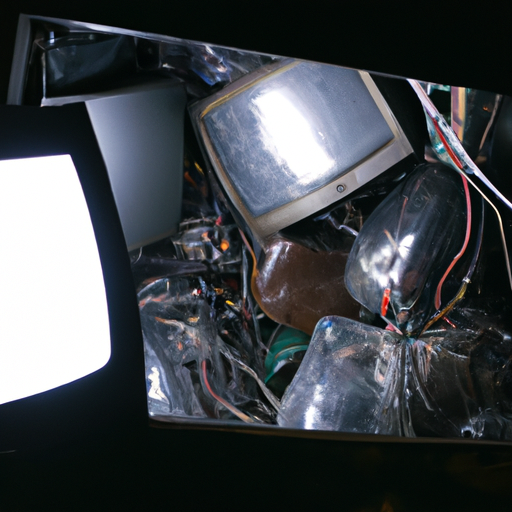
E-waste, or electronic waste, is a growing problem in the modern world. It is the discarded electronic products that are no longer of use, such as computers, televisions, and cell phones. While these products may seem harmless, they can be hazardous to both the environment and human health.
The most common hazard associated with e-waste is the release of toxic chemicals. Many electronic products contain hazardous materials such as lead, mercury, and cadmium. When these products are disposed of improperly, these chemicals can leach into the soil and water, contaminating the environment. This can lead to serious health problems for both humans and animals.
Another danger of e-waste is the potential for data theft. Many electronic products contain sensitive information, such as credit card numbers and passwords. If these products are not disposed of properly, this information can be accessed by criminals. This can lead to identity theft and other forms of fraud.
Finally, e-waste can also be a source of air pollution. Many electronic products contain components that emit harmful gases when burned. This can lead to air pollution and respiratory problems for those living in the area.
It is important to be aware of the dangers of e-waste and take steps to reduce its impact. One way to do this is to recycle electronic products whenever possible. This will help to reduce the amount of hazardous materials that are released into the environment. Additionally, it is important to properly dispose of any electronic products that are no longer in use. This will help to protect sensitive information and reduce the risk of air pollution.
By taking the time to understand the dangers of e-waste and taking steps to reduce its impact, we can help to protect the environment and our health.
The Global Impact of E-Waste: What Can We Do to Help?
E-waste, or electronic waste, is a growing global problem. It is estimated that over 50 million metric tons of e-waste are generated each year, and this number is expected to increase by 8% annually. E-waste contains hazardous materials such as lead, mercury, and cadmium, which can be released into the environment if not disposed of properly. This can lead to serious health and environmental consequences, including air and water pollution, soil contamination, and the release of toxic chemicals into the atmosphere.
The most effective way to reduce the global impact of e-waste is to reduce the amount of e-waste generated in the first place. This can be done by encouraging people to buy fewer electronics and to use them for longer periods of time. Additionally, manufacturers should be encouraged to design products that are more durable and easier to repair. This will reduce the amount of e-waste generated and help to extend the life of electronics.
When it comes to disposing of e-waste, it is important to ensure that it is done in a safe and responsible manner. This means that e-waste should be recycled or disposed of at a certified e-waste recycling facility. This will help to ensure that hazardous materials are not released into the environment. Additionally, it is important to ensure that e-waste is not shipped to developing countries, where it is often disposed of in an unsafe manner.
Finally, it is important to raise awareness about the global impact of e-waste. This can be done through educational campaigns and by encouraging people to take action. People can help to reduce the global impact of e-waste by buying fewer electronics, using them for longer periods of time, and disposing of them responsibly. By taking these steps, we can help to reduce the global impact of e-waste and protect our environment.
Conclusion
In conclusion, e-waste is a growing problem that needs to be addressed. It is important to be aware of the environmental and health risks associated with e-waste and to take steps to reduce the amount of e-waste produced. This can be done by recycling, reusing, and properly disposing of e-waste. Additionally, it is important to support legislation that encourages responsible e-waste management. By taking these steps, we can help reduce the amount of e-waste and its associated risks.
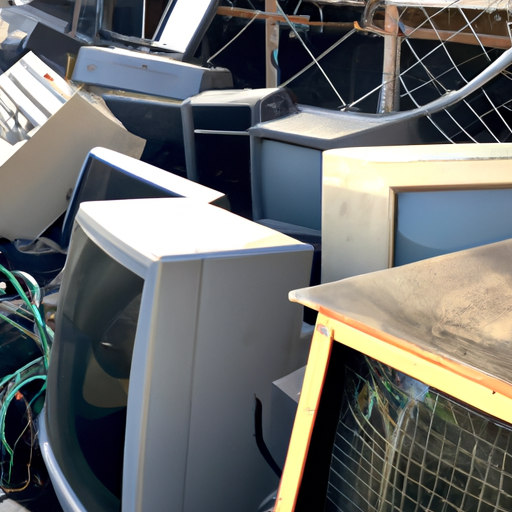
“Reduce, Reuse, Recycle: Perth’s E-Waste Solution”
Introduction
E-waste is a growing problem in Perth, Australia. With the rapid advancement of technology, more and more electronic devices are being discarded and replaced with newer models. This has resulted in an increase in the amount of e-waste being generated in Perth. E-waste contains hazardous materials such as lead, mercury, and cadmium, which can be harmful to the environment and human health if not disposed of properly. Fortunately, there are a number of initiatives in place to help reduce the amount of e-waste in Perth. These include e-waste collection points, recycling programs, and educational campaigns. This article will provide an overview of e-waste in Perth and the initiatives that are being implemented to reduce its impact.
The Growing Problem of E-Waste in Perth: What Can We Do?
E-waste is a growing problem in Perth, and it is important to understand the implications of this issue and what can be done to address it. E-waste, or electronic waste, is any discarded electronic device or component that is no longer in use. This includes computers, televisions, mobile phones, and other electronic items.
The problem of e-waste in Perth is twofold. Firstly, it is a major source of pollution. Electronic devices contain hazardous materials such as lead, mercury, and cadmium, which can leach into the environment and cause serious health problems. Secondly, e-waste is a major source of waste. Electronic devices are often discarded when they are no longer needed, and this contributes to the growing problem of landfill waste.
Fortunately, there are a number of steps that can be taken to address the problem of e-waste in Perth. Firstly, individuals can reduce their own e-waste by recycling or donating their old electronic devices. This will help to reduce the amount of e-waste that ends up in landfills. Secondly, businesses can implement e-waste recycling programs to ensure that their discarded electronic devices are disposed of responsibly. Finally, local governments can introduce legislation to encourage the responsible disposal of e-waste.
In conclusion, e-waste is a growing problem in Perth, and it is important to take steps to address it. By recycling or donating old electronic devices, businesses implementing e-waste recycling programs, and local governments introducing legislation, we can help to reduce the amount of e-waste that ends up in landfills and protect the environment from the hazardous materials contained in these devices.
How to Dispose of E-Waste in Perth: A Guide for Residents
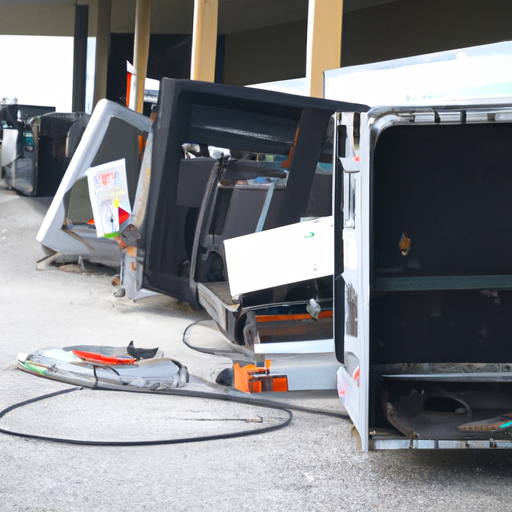
E-waste, or electronic waste, is a growing problem in Perth and across Australia. As technology advances, more and more electronic devices are being discarded, creating a hazardous waste stream that can be difficult to manage. Fortunately, there are a number of ways to safely dispose of e-waste in Perth. This guide will provide information on how to properly dispose of e-waste in the city.
1. Recycle Your E-Waste
The best way to dispose of e-waste in Perth is to recycle it. There are a number of organisations in the city that accept e-waste for recycling. These include the City of Perth, which offers a free e-waste drop-off service at its Waste Transfer Station, and the Western Metropolitan Regional Council, which operates an e-waste recycling facility in Canning Vale.
2. Donate Your E-Waste
If your e-waste is still in working condition, you may be able to donate it to a local charity or organisation. Many charities accept donations of computers, laptops, tablets, and other electronic devices. You can also check with your local council to see if they have any programs in place to help redistribute e-waste.
3. Dispose of Your E-Waste Responsibly
If your e-waste is not suitable for recycling or donation, you should dispose of it responsibly. The City of Perth offers a free e-waste collection service for residents, which can be booked online. Alternatively, you can take your e-waste to a local waste transfer station or landfill.
By following these steps, you can help reduce the amount of e-waste in Perth and ensure that it is disposed of safely and responsibly. Remember, e-waste can be hazardous, so it is important to take the necessary precautions when disposing of it.
The Impact of E-Waste on Perth’s Environment: What Can We Do to Reduce It?
E-waste, or electronic waste, is a growing problem in Perth and other cities around the world. It is estimated that Australians generate over 50 million tonnes of e-waste each year, and this number is only increasing. E-waste contains a variety of hazardous materials, such as lead, mercury, and cadmium, which can be released into the environment if not disposed of properly. This can have a devastating impact on the environment, including air and water pollution, soil contamination, and the destruction of wildlife habitats.
Fortunately, there are a number of steps that can be taken to reduce the amount of e-waste in Perth. One of the most effective ways to reduce e-waste is to encourage people to recycle their old electronics. Many electronics stores and recycling centers offer free recycling services for old electronics, and some even offer cash incentives for recycling. Additionally, people can donate their old electronics to charities or schools, or sell them online.
Another way to reduce e-waste is to purchase electronics that are designed to be more energy efficient and have a longer lifespan. Many electronics companies now offer products that are designed to be more energy efficient and last longer, which can help reduce the amount of e-waste generated. Additionally, people can purchase refurbished electronics, which are often just as good as new but cost much less.
Finally, people can reduce their e-waste by simply using their electronics less. This can be done by turning off electronics when they are not in use, and unplugging them when they are not being used. Additionally, people can opt for digital versions of books, magazines, and newspapers instead of buying physical copies.
By taking these steps, we can reduce the amount of e-waste in Perth and help protect our environment. Recycling, purchasing energy efficient electronics, and using electronics less are all effective ways to reduce e-waste and protect our environment.
Conclusion
In conclusion, E-waste in Perth is a growing problem that needs to be addressed. The amount of e-waste generated in Perth is increasing every year, and the city needs to take steps to reduce the amount of e-waste generated and ensure that it is disposed of responsibly. This can be done through initiatives such as e-waste collection points, e-waste recycling programs, and education campaigns to raise awareness of the issue. By taking these steps, Perth can reduce the amount of e-waste generated and ensure that it is disposed of in an environmentally responsible manner.
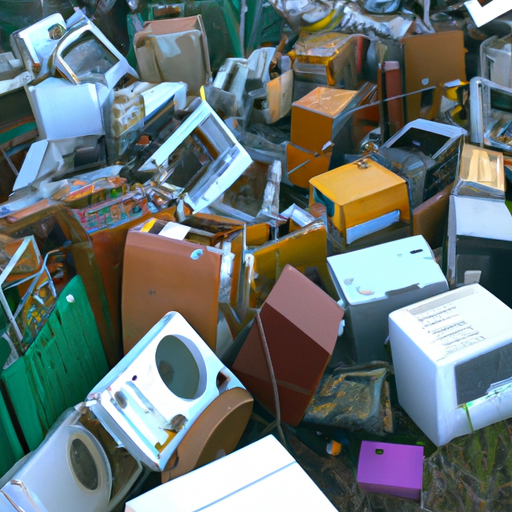
“Reduce, Reuse, Recycle: Australia’s E-Waste Solution”
Introduction
E-waste is a growing problem in Australia, with an estimated 6.7 million tonnes of electronic waste generated in 2019 alone. This is a significant increase from the 4.7 million tonnes generated in 2016. E-waste is a major environmental concern due to the hazardous materials it contains, such as lead, mercury, and cadmium, which can leach into the environment and cause health problems. In addition, e-waste is a valuable resource, as it contains valuable metals and other materials that can be recycled and reused. As such, it is important to ensure that e-waste is managed responsibly and recycled in an environmentally friendly manner. This article will discuss the current state of e-waste in Australia, the challenges associated with managing it, and the potential solutions to reduce its environmental impact.
The Growing Problem of E-Waste in Australia: What Can We Do?
E-waste is a growing problem in Australia, with an estimated 6.7 million tonnes of electronic waste generated in 2019 alone. This is a significant environmental issue, as e-waste contains hazardous materials such as lead, mercury, and cadmium, which can leach into the environment and cause serious health problems. In addition, e-waste is a valuable resource, as it contains valuable metals and plastics that can be recycled and reused.
Fortunately, there are a number of steps that can be taken to reduce the amount of e-waste generated in Australia. Firstly, consumers should be encouraged to buy products that are designed to last longer and are more easily repairable. This will reduce the amount of e-waste generated, as products will be kept in use for longer. Secondly, consumers should be encouraged to recycle their old electronics, rather than throwing them away. This can be done through e-waste collection programs, which are available in many areas.
Thirdly, manufacturers should be encouraged to design products that are more easily recyclable. This can be done by using fewer hazardous materials, and by making products easier to disassemble and recycle. Finally, governments should introduce legislation to ensure that manufacturers take responsibility for the disposal of their products. This will ensure that e-waste is disposed of in an environmentally responsible manner.
By taking these steps, we can reduce the amount of e-waste generated in Australia and ensure that valuable resources are not wasted. This will help to protect the environment and ensure that our resources are used in a sustainable manner.
How to Dispose of E-Waste Responsibly in Australia
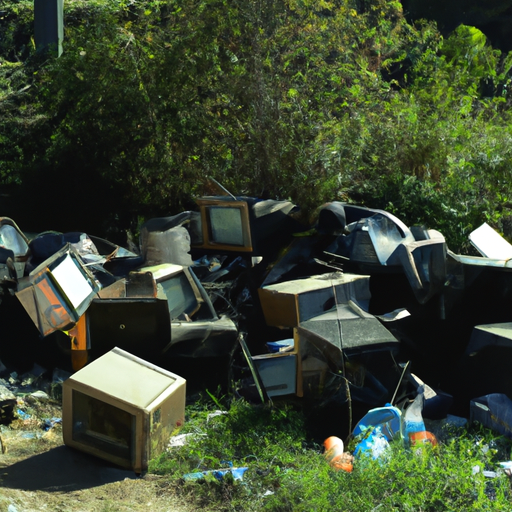
E-waste, or electronic waste, is a growing problem in Australia. It is estimated that Australians generate over 500,000 tonnes of e-waste each year, and this number is expected to increase. E-waste contains hazardous materials such as lead, mercury, and cadmium, which can be harmful to the environment if not disposed of properly.
Fortunately, there are a number of ways to responsibly dispose of e-waste in Australia. The first step is to determine if the item can be reused or recycled. Many e-waste items, such as computers, printers, and televisions, can be recycled or donated to charity. If the item cannot be reused or recycled, it should be disposed of at an e-waste recycling facility.
In Australia, there are a number of e-waste recycling facilities that accept e-waste for free or for a small fee. These facilities are designed to safely and responsibly dispose of e-waste. They will often dismantle the items and separate the hazardous materials for safe disposal.
It is also important to ensure that e-waste is disposed of in the correct manner. For example, batteries should be disposed of at a battery recycling facility, and fluorescent light bulbs should be taken to a hazardous waste facility.
Finally, it is important to be aware of the laws and regulations surrounding e-waste disposal in Australia. In some states, it is illegal to dispose of e-waste in landfill sites. It is also illegal to export e-waste to other countries.
By following these steps, Australians can ensure that their e-waste is disposed of responsibly and in accordance with the law. This will help to protect the environment and ensure that hazardous materials are disposed of safely.
The Impact of E-Waste on the Environment: What Can We Do to Reduce It?
E-waste, or electronic waste, is a growing problem in the modern world. It is defined as any discarded electrical or electronic device, such as computers, televisions, cell phones, and other electronic items. As technology advances, more and more of these items are being discarded, leading to a significant environmental impact.
E-waste contains a variety of hazardous materials, such as lead, mercury, and cadmium, which can leach into the soil and water, contaminating the environment. In addition, the burning of e-waste releases toxic chemicals into the air, which can cause respiratory problems and other health issues. Furthermore, the improper disposal of e-waste can lead to the release of hazardous materials into the environment, which can have long-term effects on human health and the environment.
Fortunately, there are steps that can be taken to reduce the environmental impact of e-waste. One of the most effective ways to reduce e-waste is to recycle or reuse old electronics. Many companies offer recycling programs for old electronics, which can help to reduce the amount of e-waste that is sent to landfills. Additionally, donating old electronics to charities or schools can help to reduce the amount of e-waste that is produced.
Another way to reduce e-waste is to purchase products that are designed to be more energy efficient. Many electronics, such as computers and televisions, are now available with energy-saving features that can help to reduce the amount of energy used and the amount of e-waste produced. Additionally, purchasing products with longer lifespans can help to reduce the amount of e-waste that is produced.
Finally, it is important to be aware of the potential environmental impacts of e-waste and to take steps to reduce it. By recycling or donating old electronics, purchasing energy-efficient products, and being aware of the potential environmental impacts of e-waste, we can all help to reduce the amount of e-waste that is produced and help to protect the environment.
Conclusion
In conclusion, e-waste is a growing problem in Australia, with an estimated 1.5 million tonnes of e-waste generated each year. This is a significant environmental issue, as e-waste contains hazardous materials that can be damaging to the environment if not disposed of properly. Fortunately, there are a number of initiatives in place to help reduce the amount of e-waste generated in Australia, such as the National Television and Computer Recycling Scheme and the National Television and Computer Recycling Hotline. These initiatives are helping to reduce the amount of e-waste generated in Australia, but more needs to be done to ensure that e-waste is disposed of responsibly and safely.