

Secure Computer Recycling & Disposal
“Secure Computer Recycling & Disposal: Safeguarding Your Data, Protecting Our Planet.”
We offer secure computer recycling and disposal services to safely discard old, obsolete, or unwanted computers and other electronic devices in a manner that prevents unauthorised access to sensitive data. This process involves the use of specialized techniques to permanently delete data, followed by environmentally friendly disposal or recycling of the hardware. It is a critical practice in today’s digital age, ensuring data security and compliance with various environmental regulations.
In today’s digital age, the rapid advancement of technology has led to an increase in the number of obsolete computers and electronic devices. As a result, secure computer recycling and disposal have become critical issues that need to be addressed. This process not only helps in conserving the environment but also ensures that sensitive data is not compromised.
Secure computer recycling and disposal involve the safe and environmentally friendly handling of outdated or unwanted computers and electronic devices. It is a process that requires careful planning and execution to prevent the leakage of sensitive data and to minimize the environmental impact. The importance of this process cannot be overstated, as it plays a crucial role in data security and environmental conservation.
Data security is a primary concern in secure computer recycling and disposal. Computers and electronic devices often contain sensitive information, such as personal data, financial records, and business information. If these devices are not properly disposed of, this information can fall into the wrong hands, leading to identity theft, financial loss, and other serious consequences. Therefore, it is essential to ensure that all data is completely wiped from these devices before they are recycled or disposed of. This can be achieved through various methods, such as data wiping software, degaussing, or physical destruction of the hard drive.
In addition to data security, secure computer recycling and disposal also play a significant role in environmental conservation. Electronic devices contain various hazardous materials, including lead, mercury, and cadmium, which can cause significant harm to the environment if not properly disposed of. These materials can contaminate soil and water, posing a threat to wildlife and human health. Therefore, it is crucial to recycle or dispose of these devices in a manner that prevents the release of these harmful substances into the environment.
Moreover, secure computer recycling can also contribute to resource conservation. Many components of electronic devices, such as metals, plastics, and glass, can be recovered and reused in the production of new products. This not only reduces the demand for raw materials but also decreases the energy consumption and greenhouse gas emissions associated with the extraction and processing of these materials.
In conclusion, secure computer recycling and disposal are of paramount importance in today’s digital age. They play a crucial role in ensuring data security, protecting the environment, and conserving resources. Therefore, it is essential for individuals and businesses to understand and implement secure computer recycling and disposal practices. By doing so, we can contribute to a safer and more sustainable future.
However, it is important to note that secure computer recycling and disposal should be carried out by professionals who have the necessary knowledge and equipment. This ensures that the process is carried out in a manner that is safe, secure, and environmentally friendly. Therefore, when it comes to disposing of your old computers and electronic devices, it is advisable to seek the services of a reputable computer recycling and disposal company. This not only guarantees the security of your data but also contributes to the conservation of the environment.
Best Practices for Secure Computer Recycling & Disposal

Secure computer recycling and disposal is a critical aspect of information technology management that often goes overlooked. As technology continues to evolve at a rapid pace, businesses and individuals alike find themselves frequently upgrading their computer systems. However, the question of what to do with the old equipment remains a challenge. It is not just about environmental responsibility, but also about data security. This article will explore the best practices for secure computer recycling and disposal.
Firstly, it is essential to understand the importance of secure computer recycling and disposal. Computers and other electronic devices contain a wealth of sensitive information, from personal data to business secrets. Simply throwing away these devices can lead to serious data breaches. Moreover, improper disposal of electronic waste contributes to environmental pollution. Therefore, it is crucial to adopt secure and environmentally friendly practices when disposing of old computers.
One of the best practices for secure computer recycling and disposal is data sanitization. This process involves completely erasing all data from the device’s storage media. There are several methods to achieve this, including physical destruction, cryptographic erasure, and disk wiping. Physical destruction involves using a hard drive shredder or degausser to render the storage media unreadable. Cryptographic erasure involves encrypting all data on the device and then deleting the encryption key, making the data irretrievable. Disk wiping involves overwriting all data on the device with random information, making it impossible to recover the original data.
Another best practice is to work with a certified electronic recycling company. These companies specialize in secure computer recycling and disposal. They have the necessary equipment and expertise to ensure that all data is completely erased from the devices before they are recycled or disposed of. Moreover, they follow environmentally friendly practices, ensuring that the devices are recycled in a way that minimizes their impact on the environment.
It is also important to maintain a record of all devices that are recycled or disposed of. This record should include information such as the device’s make and model, serial number, and the date of disposal. This will help in tracking the device’s disposal and ensuring that it has been disposed of securely and responsibly.
Lastly, businesses should consider implementing a formal policy for secure computer recycling and disposal. This policy should outline the procedures for data sanitization, working with a certified recycling company, and maintaining a record of disposed devices. It should also include training for employees on these procedures. This will ensure that all employees understand the importance of secure computer recycling and disposal and know how to carry out these procedures correctly.
In conclusion, secure computer recycling and disposal is a critical aspect of data security and environmental responsibility. By following best practices such as data sanitization, working with a certified recycling company, maintaining a record of disposed devices, and implementing a formal policy, businesses and individuals can ensure that their old computers are disposed of securely and responsibly. This not only protects sensitive data but also contributes to a healthier environment.
The Environmental Impact of Secure Computer Recycling & Disposal
Secure computer recycling and disposal is a critical aspect of environmental sustainability that is often overlooked. As the world becomes increasingly digital, the number of obsolete or discarded computers continues to rise, posing a significant threat to our environment. However, through secure computer recycling and disposal, we can mitigate this threat and contribute to a more sustainable future.
Computers and other electronic devices are composed of various materials, some of which are hazardous to the environment. These include heavy metals like lead, mercury, and cadmium, which can contaminate soil and water if not properly disposed of. In addition, computers also contain valuable materials such as gold, silver, and palladium, which can be recovered and reused, reducing the need for mining and the associated environmental impact.
Secure computer recycling and disposal involve the safe and efficient handling of these devices to minimize environmental harm. This process begins with the collection of obsolete or discarded computers, which are then transported to specialized facilities for processing. Here, the computers are dismantled, and the various components are separated based on their material composition. The hazardous materials are then safely disposed of, while the valuable materials are recovered for reuse.
However, secure computer recycling and disposal is not just about environmental sustainability. It also involves data security. Computers often contain sensitive information, which can be a target for cybercriminals if not properly disposed of. Therefore, secure computer recycling and disposal also include data destruction techniques to ensure that any data on the devices is completely erased and cannot be recovered.
There are various methods of data destruction, including physical destruction, where the hard drive is physically damaged to make it unreadable, and data wiping, where the data is overwritten with random information to make it irretrievable. These methods ensure that any sensitive information on the computers is securely disposed of, protecting against data breaches and identity theft.
Moreover, secure computer recycling and disposal also contribute to economic sustainability. The recovery of valuable materials from discarded computers provides a source of raw materials for the production of new electronic devices. This reduces the demand for mining, which is often associated with environmental degradation and social issues. In addition, the process of recycling and disposing of computers also creates jobs, contributing to economic growth.
In conclusion, secure computer recycling and disposal play a crucial role in environmental, data, and economic sustainability. By properly handling obsolete or discarded computers, we can prevent environmental contamination, protect against data breaches, and contribute to economic growth. However, this requires a collective effort from individuals, businesses, and governments to ensure that all computers are recycled and disposed of securely. By doing so, we can mitigate the environmental impact of our digital age and contribute to a more sustainable future.
Conclusion
Secure computer recycling and disposal is crucial in the digital age. It ensures that sensitive data is completely destroyed and cannot be retrieved, protecting individuals and businesses from potential data breaches. Additionally, it contributes to environmental sustainability by reducing electronic waste, which is a growing global concern. Therefore, secure computer recycling and disposal is not only a matter of data security but also an environmental responsibility.
Please email us for more information or fill out our form.
Where to Dispose of Electrical Waste
“Electrical Waste: Dispose Responsibly, Recycle for a Sustainable Future.”
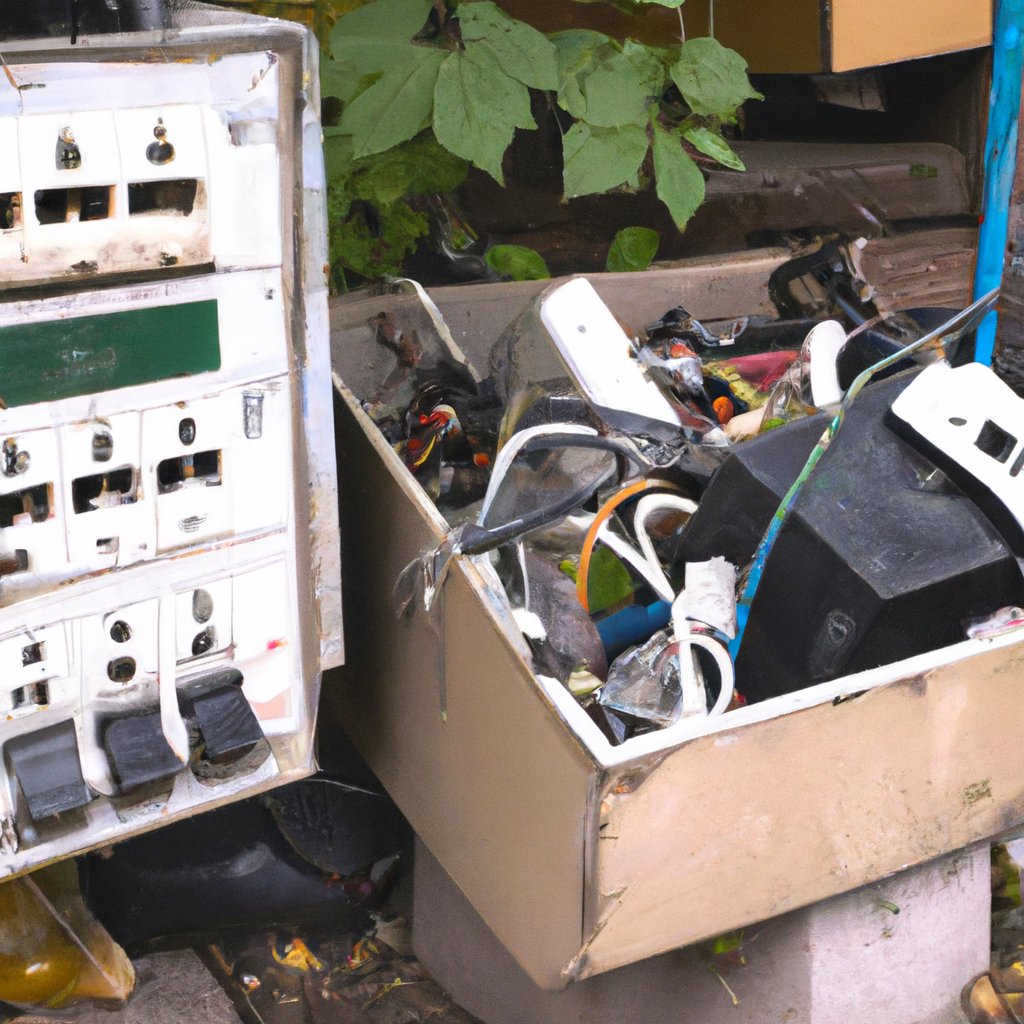
Electrical waste, also known as e-waste, refers to discarded electrical or electronic devices. These can range from common household items such as televisions, refrigerators, or mobile phones to industrial machinery. Disposal of e-waste is a critical environmental concern due to the harmful substances they contain, such as lead, mercury, and cadmium. Therefore, it is essential to dispose of them properly. Many cities and towns have designated e-waste recycling facilities or drop-off points, while some electronics retailers may also offer take-back programs. Additionally, numerous non-profit organizations and professional waste management companies provide e-waste recycling services. It’s crucial to research local regulations and options to ensure safe and responsible disposal of electrical waste.
Best Places to Dispose of Electrical Waste in Your City
Electrical waste, also known as e-waste, is a rapidly growing problem in our modern, technology-driven society. As we continually upgrade our devices and appliances, we are left with a mounting pile of obsolete electronics. These items, if not disposed of properly, can pose significant environmental and health risks due to the hazardous materials they contain. Therefore, it is crucial to know where to dispose of electrical waste in your city.
One of the best places to start is your local waste disposal facility. Many cities have designated facilities that accept a wide range of electrical waste, from old televisions and computers to smaller items like cell phones and batteries. These facilities have the necessary equipment and trained personnel to handle and dispose of these items safely. They ensure that harmful substances are not released into the environment and that valuable materials are recovered and recycled wherever possible.
In addition to local waste disposal facilities, many electronics retailers offer take-back programs. These programs allow you to bring in your old devices, regardless of where they were purchased, for safe disposal. Some retailers may even offer incentives, such as discounts on future purchases, to encourage participation in these programs. This is not only a convenient option but also a way to potentially save money on your next electronic purchase.
Another excellent resource for disposing of electrical waste is community recycling events. These events are often held periodically throughout the year and provide a convenient drop-off point for unwanted electronics. They are typically organized by local government agencies or environmental organizations and are a great way to ensure your e-waste is disposed of responsibly. Plus, participating in these events can help raise awareness about the importance of proper e-waste disposal in your community.
For businesses with large amounts of electrical waste, professional e-waste recycling services are a viable option. These companies specialize in the safe and efficient disposal of all types of electronic waste. They often provide on-site pickup services, making it easy for businesses to dispose of their e-waste without disrupting their operations. Moreover, these companies adhere to strict environmental standards and regulations, ensuring that your e-waste is handled in the most environmentally friendly manner possible.
Lastly, consider donating your unwanted electronics. Many non-profit organizations and schools accept working electronics and refurbish them for reuse. This not only diverts e-waste from landfills but also provides valuable resources to those in need. Before donating, make sure to wipe your devices clean of any personal information to protect your privacy.
In conclusion, there are several options available for disposing of electrical waste in your city. Whether it’s taking your old devices to a local waste disposal facility, participating in a retailer’s take-back program, dropping off your e-waste at a community recycling event, hiring a professional e-waste recycling service, or donating your electronics, you can play a part in mitigating the e-waste problem. Remember, the proper disposal of electrical waste is not just about decluttering; it’s about protecting our environment and our health.
Understanding the Importance of Proper Electrical Waste Disposal

Understanding the importance of proper electrical waste disposal is crucial in today’s technologically advanced society. As we continue to embrace the digital age, the amount of electrical waste, also known as e-waste, continues to grow exponentially. This includes discarded electronic devices such as computers, televisions, mobile phones, and household appliances. The improper disposal of these items can have severe environmental and health implications, making it essential to know where to dispose of electrical waste correctly.
The first step in understanding the importance of proper electrical waste disposal is recognizing the potential harm it can cause. E-waste often contains hazardous materials such as lead, mercury, and cadmium. When these materials are not disposed of correctly, they can leach into the soil and water, causing significant environmental damage. Moreover, these toxic substances can also pose serious health risks to humans and wildlife, leading to a range of illnesses and diseases.
Given these potential hazards, it is clear that electrical waste needs to be handled with care. Fortunately, there are several options available for the safe and responsible disposal of e-waste. One of the most common methods is to take your unwanted electronic devices to a designated recycling facility. These facilities have the necessary equipment and expertise to safely dismantle and recycle electronic devices, ensuring that any hazardous materials are properly contained and treated.
In addition to recycling facilities, many electronic retailers and manufacturers also offer take-back programs. These programs allow consumers to return their old or unwanted electronic devices to the place of purchase for safe disposal. This not only ensures that the e-waste is handled responsibly but also encourages consumers to think more consciously about the lifecycle of their electronic devices.
Another option for disposing of electrical waste is through community recycling events. Many cities and towns host regular e-waste collection events, providing residents with a convenient and accessible way to dispose of their unwanted electronic devices. These events are typically free of charge and are a great way to ensure that your e-waste is being disposed of responsibly.
While these options provide a solution for the disposal of most types of e-waste, it’s important to note that some electronic devices require special handling. For example, items such as batteries, light bulbs, and certain types of medical equipment may not be accepted at standard recycling facilities or take-back programs. In these cases, it’s important to contact your local waste management authority or a specialized recycling facility for guidance.
In conclusion, the proper disposal of electrical waste is a responsibility that we all share. By understanding the potential harm that e-waste can cause and knowing where to dispose of it correctly, we can help to protect our environment and safeguard public health. Whether it’s through a designated recycling facility, a retailer take-back program, or a community recycling event, there are numerous ways to ensure that your e-waste is disposed of in a safe and responsible manner.
Eco-Friendly Methods for Disposing of Electrical Waste
In the modern world, electrical waste, also known as e-waste, has become a significant environmental concern. As technology continues to evolve at a rapid pace, the lifespan of electronic devices such as computers, televisions, and mobile phones is becoming increasingly shorter. Consequently, the volume of e-waste generated globally is escalating, posing a serious threat to our environment. Therefore, it is crucial to understand where to dispose of electrical waste and the eco-friendly methods available for its disposal.
One of the most effective ways to dispose of electrical waste is through recycling. Many electronic devices contain valuable materials such as copper, silver, gold, and palladium, which can be recovered and reused. Recycling not only reduces the demand for new raw materials but also minimizes the amount of e-waste that ends up in landfills, where it can leach harmful substances into the soil and groundwater. Many cities and towns have recycling centers that accept e-waste. Additionally, some electronics manufacturers and retailers offer take-back programs where consumers can drop off their old devices for recycling.
Another eco-friendly method for disposing of electrical waste is through donation. If your electronic devices are still in working condition but are simply outdated, consider donating them to schools, non-profit organizations, or individuals in need. This not only extends the life of the devices but also provides valuable resources to those who may not be able to afford new electronics. There are numerous organizations that accept donations of used electronics, and many even offer pick-up services for convenience.
In addition to recycling and donation, there are also specialized e-waste disposal facilities that are equipped to handle and process electrical waste safely and responsibly. These facilities use advanced techniques to dismantle and separate the various components of electronic devices, ensuring that valuable materials are recovered and hazardous substances are properly disposed of. It’s important to note that not all e-waste should be sent to these facilities, as some items, such as batteries and light bulbs, require specific disposal methods.
Furthermore, some municipalities host e-waste collection events, where residents can bring their unwanted electronic devices for proper disposal. These events are typically held several times a year and are a convenient way for individuals to get rid of their e-waste in an environmentally friendly manner.
Lastly, it’s worth mentioning that some types of e-waste, such as old televisions and computer monitors, contain hazardous materials like lead and mercury. These items should never be thrown in the regular trash, as they can pose serious health and environmental risks. Instead, they should be taken to a certified e-waste recycling facility or a special collection event for safe disposal.
In conclusion, there are several eco-friendly methods for disposing of electrical waste, including recycling, donation, specialized disposal facilities, and municipal collection events. By choosing these methods, we can help to reduce the environmental impact of e-waste and contribute to a more sustainable future. It’s important to remember that the responsibility for e-waste disposal doesn’t just lie with manufacturers and retailers – as consumers, we also have a role to play in ensuring that our old electronic devices are disposed of in a responsible and environmentally friendly manner.
Conclusion
In conclusion, electrical waste should be disposed of at designated e-waste recycling facilities. These facilities are equipped to safely handle and recycle electronic waste, preventing harmful substances from entering the environment. It is not appropriate to dispose of electrical waste in regular household bins or landfills.
Tech Recycle
“Reviving Technology, Sustaining the Future.”
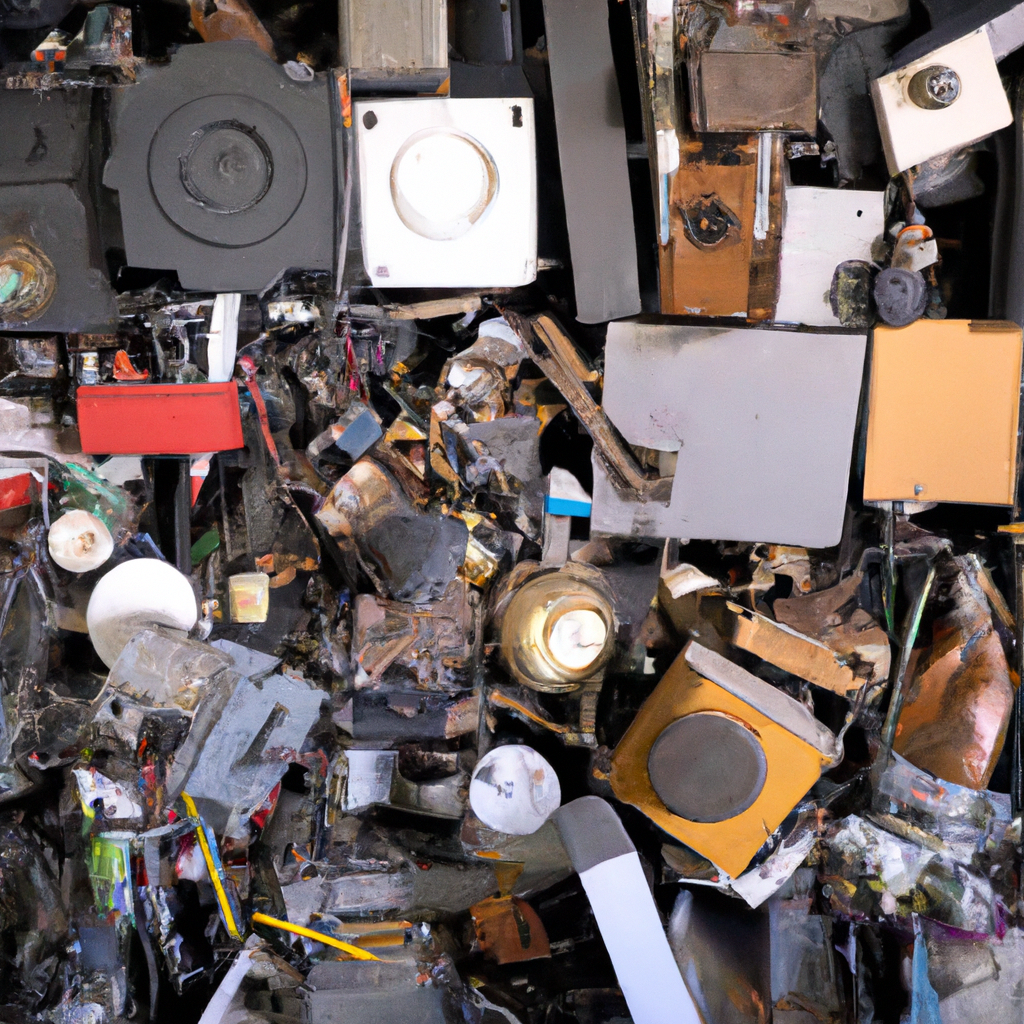
Tech recycle refers to the process of reusing, repurposing, or safely disposing of outdated or unwanted electronic devices. This practice is crucial in the modern world due to the rapid advancement of technology, which often leads to a high turnover rate of electronic devices. Tech recycle helps to reduce electronic waste, conserve natural resources, and prevent environmental pollution caused by harmful substances found in electronic devices. It involves various methods such as refurbishing, donation, reselling, or breaking down the devices into their basic components for reuse.
Eco-Friendly Methods for Disposing of Electrical Waste
In the modern world, electrical waste, also known as e-waste, has become a significant environmental concern. As technology continues to evolve at a rapid pace, the lifespan of electronic devices such as computers, televisions, and mobile phones is becoming increasingly shorter. Consequently, the amount of e-waste generated globally is escalating, posing a serious threat to our environment. Therefore, it is crucial to understand where to dispose of electrical waste and the eco-friendly methods available for its disposal.
One of the most effective ways to dispose of electrical waste is through recycling. Many electronic devices contain valuable materials such as copper, silver, gold, and palladium, which can be recovered and reused. Moreover, recycling e-waste reduces the need for mining new raw materials, thereby conserving natural resources. Numerous recycling facilities specialize in handling e-waste, ensuring that the valuable components are extracted and the harmful elements are disposed of safely.
However, not all electronic devices can be taken to any recycling facility. Some items, such as batteries and light bulbs, require specialized handling due to the hazardous materials they contain. For instance, batteries often contain lead, mercury, or cadmium, which are harmful to both humans and the environment. Therefore, these items should be taken to designated recycling facilities or collection events that can handle such materials safely.
Another eco-friendly method for disposing of electrical waste is through donation or resale. If an electronic device is still functional but no longer needed, it can be donated to schools, non-profit organizations, or individuals who may find it useful. Alternatively, it can be sold through online platforms or second-hand stores. This not only extends the life of the device but also prevents it from ending up in a landfill.
In addition to recycling and donation, some manufacturers and retailers offer take-back programs for their products. These programs allow consumers to return their old devices to the manufacturer or retailer for recycling or refurbishment. This is particularly common with mobile phones and computers. Participating in these programs not only ensures that e-waste is disposed of responsibly but also supports companies that are committed to sustainable practices.
However, it is important to note that before disposing of any electronic device, personal data should be removed to protect privacy. This can be done by performing a factory reset or using specialized software to erase data.
In conclusion, the disposal of electrical waste is a pressing environmental issue that requires our immediate attention. By choosing to recycle, donate, or participate in take-back programs, we can contribute to the reduction of e-waste and the conservation of our planet’s resources. It is our responsibility as consumers to ensure that our old electronic devices are disposed of in a manner that is not only convenient for us but also beneficial to the environment. By doing so, we can help create a sustainable future for generations to come.
Exploring the Importance of Tech Recycle in Today’s Digital Age

In today’s digital age, the rapid evolution of technology has led to an unprecedented increase in electronic waste, or e-waste. This surge in e-waste has brought to the fore the importance of tech recycle, a practice that involves the repurposing, reusing, or safe disposal of electronic devices. Tech recycle is not just a trend; it is a necessity that holds significant implications for our environment, economy, and health.
The environmental impact of e-waste is profound. Electronic devices are often composed of a variety of materials, including metals, plastics, and glass. Many of these materials are non-biodegradable and can persist in the environment for hundreds of years. Moreover, electronic devices often contain hazardous substances such as lead, mercury, and cadmium, which can leach into the soil and water, causing significant environmental harm. Tech recycle helps mitigate these environmental risks by ensuring that electronic devices are disposed of in a manner that minimizes their environmental impact.
In addition to its environmental benefits, tech recycle also holds significant economic potential. The process of recycling electronics involves the extraction of valuable materials such as gold, silver, copper, and palladium. These materials can be reused in the production of new electronic devices, reducing the need for mining and the associated environmental impact. Furthermore, the tech recycle industry can create jobs and stimulate economic growth. According to a report by the United Nations, the global e-waste management market is expected to reach $49.4 billion by 2020, offering significant economic opportunities.
Tech recycle also has important implications for human health. The improper disposal of electronic devices can lead to the release of hazardous substances into the environment. These substances can contaminate the air, soil, and water, posing serious health risks to humans. For instance, exposure to lead can cause neurological damage, while mercury can harm the kidneys and nervous system. Tech recycle helps prevent these health risks by ensuring that electronic devices are disposed of in a safe and controlled manner.
Despite the clear benefits of tech recycle, the practice is not as widespread as it should be. According to the United Nations, only 20% of e-waste is currently recycled, with the rest ending up in landfills or being informally processed in a way that harms the environment and human health. This highlights the need for greater awareness and action on tech recycle.
In conclusion, tech recycle is a crucial practice in today’s digital age. It helps mitigate the environmental impact of e-waste, offers significant economic opportunities, and protects human health. However, to fully realize these benefits, we need to promote tech recycle more widely and ensure that it is carried out in a safe and responsible manner. This will require concerted efforts from all stakeholders, including governments, businesses, and consumers. By embracing tech recycle, we can help create a more sustainable and healthier future for all.
Innovative Methods for Recycling Old Technology
In the era of rapid technological advancement, the disposal of electrical waste, also known as e-waste, has become a pressing concern. As consumers continually upgrade to the latest gadgets, the volume of obsolete technology is growing at an alarming rate. This article aims to shed light on innovative methods for recycling old technology, thereby contributing to the responsible disposal of e-waste.
Firstly, it is essential to understand that e-waste should never be discarded with regular household trash. This is because electronic devices contain hazardous materials such as lead, mercury, and cadmium, which can cause significant harm to the environment and human health if not disposed of properly. Instead, e-waste should be taken to designated recycling facilities where it can be safely processed.
One innovative method for recycling old technology is through manufacturer take-back programs. Many electronics manufacturers, including Apple, Dell, and HP, offer programs where consumers can return their old devices for recycling. These companies have the resources and expertise to safely dismantle the devices and recover valuable materials such as gold, silver, copper, and rare earth metals. This not only reduces the environmental impact of e-waste but also conserves natural resources by reducing the need for mining.
Another promising approach is the use of e-waste recycling kiosks. These are standalone units typically located in shopping malls and other public places where people can drop off their old electronics for recycling. The kiosks are equipped with advanced sorting and processing technology that can automatically identify and separate different types of e-waste. This makes it easy for consumers to recycle their old technology and helps to ensure that the materials are properly recovered.
In addition to these methods, there are also numerous non-profit organizations and social enterprises that specialize in e-waste recycling. These organizations often provide collection services and work with local communities to raise awareness about the importance of e-waste recycling. Some even offer training programs to teach people how to repair and refurbish old electronics, thereby extending their lifespan and reducing the amount of e-waste that ends up in landfills.
Furthermore, there is a growing trend towards the development of eco-designs for electronic devices. This involves designing products in a way that makes them easier to recycle at the end of their life. For example, some companies are now producing modular smartphones where individual components can be easily replaced, reducing the need for a whole new device when one part fails.
In conclusion, there are many innovative methods for recycling old technology and disposing of e-waste responsibly. Whether it’s through manufacturer take-back programs, e-waste recycling kiosks, non-profit organizations, or eco-designs, these methods all contribute to the sustainable management of e-waste. As consumers, it’s important that we make use of these services and do our part to reduce the environmental impact of our electronic devices. After all, in the words of environmental activist Robert Swan, “The greatest threat to our planet is the belief that someone else will save it.”
The Environmental Impact of Tech Recycling: A Comprehensive Analysis
The environmental impact of tech recycling is a topic of increasing importance in our rapidly advancing digital age. As technology continues to evolve at an unprecedented pace, the disposal of outdated or broken electronic devices, also known as e-waste, has become a significant global issue. This comprehensive analysis aims to shed light on the environmental implications of tech recycling and the importance of adopting sustainable practices in managing electronic waste.
The surge in the production and consumption of electronic devices has led to an exponential increase in e-waste. According to the Global E-waste Monitor, approximately 53.6 million metric tons of e-waste was generated worldwide in 2019, a figure that is expected to rise to 74.7 million metric tons by 2030. This escalating trend underscores the urgency of addressing the environmental impact of tech recycling.
E-waste contains a plethora of hazardous substances such as lead, mercury, and cadmium, which can leach into the environment if not properly managed. These toxic materials can contaminate soil and water resources, posing serious threats to ecosystems and human health. Moreover, the improper disposal of e-waste often leads to the release of greenhouse gases, contributing to global warming and climate change.
However, tech recycling can mitigate these environmental risks if conducted responsibly. Proper recycling processes can recover valuable materials from e-waste, such as gold, silver, copper, and rare earth elements. These recovered materials can be reused in the production of new electronic devices, reducing the demand for virgin resources and the associated environmental impacts of mining and extraction.
Furthermore, tech recycling can significantly reduce energy consumption. According to the U.S. Environmental Protection Agency, recycling one million laptops saves the energy equivalent to the electricity used by more than 3,500 U.S. homes in a year. This energy-saving potential further underscores the environmental benefits of tech recycling.
Despite these benefits, the current rate of tech recycling remains alarmingly low. The Global E-waste Monitor reports that only 17.4% of e-waste was collected and recycled in 2019. This low recycling rate is largely due to a lack of awareness about e-waste recycling and inadequate recycling infrastructure in many parts of the world.
To enhance tech recycling, it is crucial to promote public awareness about the environmental impact of e-waste and the benefits of recycling. Governments, businesses, and civil society organizations can play pivotal roles in this regard by implementing effective e-waste management policies, establishing comprehensive recycling programs, and educating the public about responsible e-waste disposal.
In conclusion, tech recycling has significant environmental implications. While the improper disposal of e-waste poses serious environmental and health risks, responsible tech recycling can mitigate these risks, conserve natural resources, reduce energy consumption, and contribute to climate change mitigation. Therefore, it is imperative to promote tech recycling and adopt sustainable e-waste management practices to safeguard our environment for future generations.
Conclusion
In conclusion, tech recycling is a crucial practice in the modern world. It helps in managing waste, conserving natural resources, and reducing pollution. It also aids in the recovery of valuable materials, promotes energy efficiency, and contributes to the economy. However, it requires more awareness and proper regulations to ensure safe and effective recycling processes.
“Dispose Responsibly: Your Laptop’s Final Destination Matters!”
Introduction
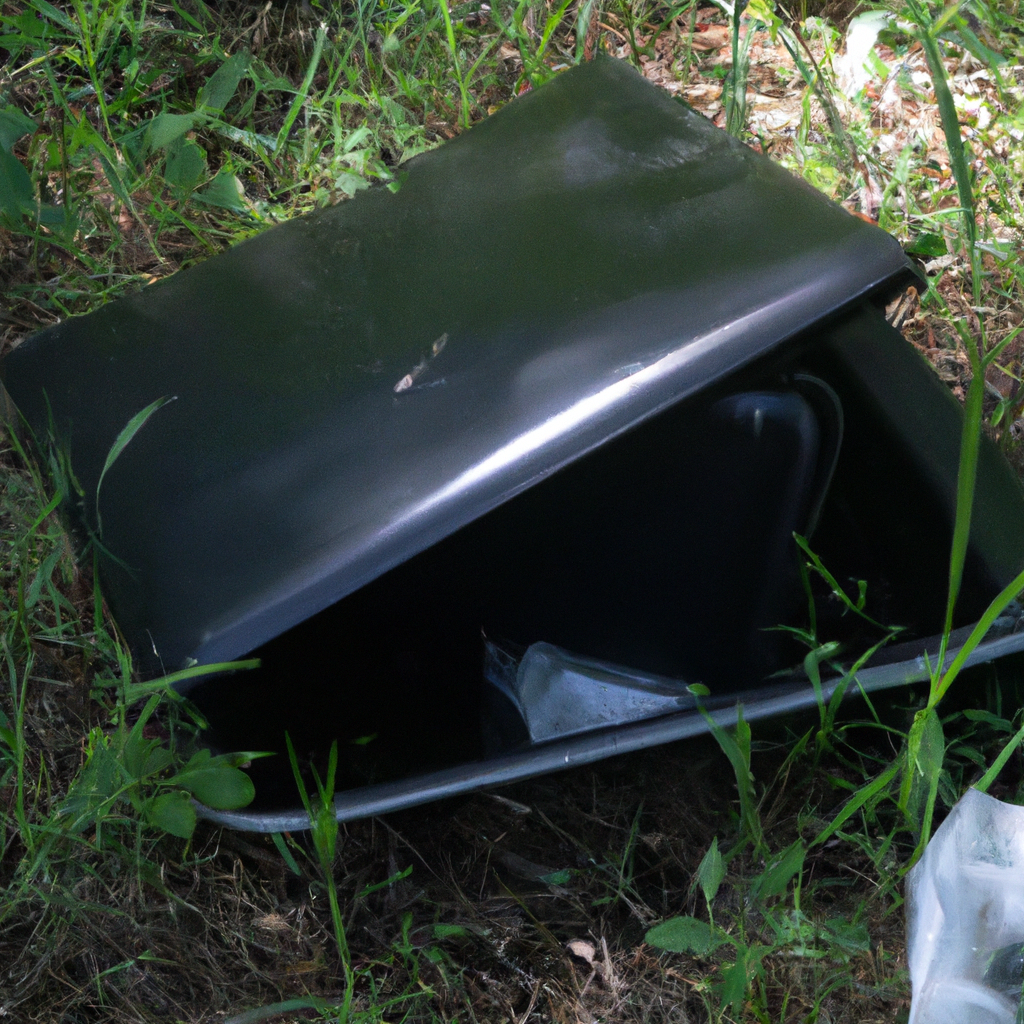
Disposing of a laptop involves more than just throwing it in the trash. It’s important to consider the environmental impact, as laptops contain harmful substances that can contaminate soil and water. There are several options for laptop disposal, including recycling programs, electronic waste (e-waste) facilities, and certain retail stores that offer trade-in or take-back programs. Additionally, some manufacturers have their own recycling programs. Before disposal, it’s crucial to ensure all personal data is removed to protect your privacy.
Best Places to Recycle Your Old Laptop
When it comes to disposing of an old laptop, it’s crucial to do so responsibly. Not only does this help to protect the environment, but it also ensures that any personal data stored on the device is securely erased. There are several places where you can recycle your old laptop, each offering different benefits.
One of the most convenient options is to return the laptop to the manufacturer. Many companies, including Apple, Dell, and HP, offer take-back programs where they will accept old devices, regardless of the condition, and recycle them responsibly. Some manufacturers even offer incentives for recycling, such as discounts on future purchases. This option is particularly beneficial if you’re planning to upgrade to a newer model from the same brand.
Retailers are another excellent place to recycle your old laptop. Stores like Best Buy and Staples have electronics recycling programs where you can drop off your old devices at any of their locations. They will then ensure that the device is recycled in an environmentally friendly manner. This is a great option if you have a store nearby and want to dispose of your laptop quickly and easily.
If your laptop is still in good working condition, consider donating it to a charity or non-profit organization. Organizations such as the National Cristina Foundation and Computers with Causes refurbish old laptops and distribute them to schools, low-income individuals, and non-profit organizations. This not only helps to reduce electronic waste but also provides valuable resources to those in need.
Online platforms like eBay and Gazelle are also worth considering. These sites allow you to sell your old laptop to other individuals. While this option requires a bit more effort, as you’ll need to create a listing and potentially deal with shipping, it can be a good way to recoup some of the cost of your old device.
Before disposing of your laptop, it’s essential to ensure that all personal data is securely erased. This can be done by performing a factory reset or using specialized software. If you’re unsure how to do this, many recycling programs will offer this service for a small fee.
In addition to these options, many cities and towns also hold electronic waste recycling events. These events provide a convenient way to dispose of old electronics, including laptops. Check with your local waste management facility or city hall to find out if there are any upcoming events in your area.
In conclusion, there are numerous places where you can recycle your old laptop, from manufacturers and retailers to charities and online platforms. The key is to choose the option that best suits your needs and to ensure that all personal data is securely erased before disposal. By doing so, you can help to protect the environment, safeguard your personal information, and potentially even help those in need.
How to Safely Dispose of Your Laptop: Top Locations

When it comes to disposing of your laptop, it’s not as simple as tossing it in the trash. Laptops, like other electronic devices, contain materials that can be harmful to the environment if not disposed of properly. Therefore, it’s crucial to know the right places to dispose of your laptop safely and responsibly.
Firstly, consider recycling your laptop. Many manufacturers, including Dell, HP, and Apple, offer recycling programs for their products. These companies have the necessary resources to safely dismantle and recycle the components of your laptop. They ensure that harmful materials are disposed of correctly, and reusable parts are recycled to reduce waste. You can usually find information about these programs on the manufacturer’s website.
In addition to manufacturer programs, many cities and towns have electronic waste (e-waste) recycling programs. These programs allow residents to drop off their old electronics at designated locations, where they are then safely disposed of or recycled. Check with your local waste management facility or city hall to see if such a program exists in your area.
Retailers are another option for laptop disposal. Stores like Best Buy and Staples have electronics recycling programs. You can bring your old laptop to these stores, and they will take care of the rest. Some retailers may even offer you a discount on a new laptop or other electronics when you recycle your old one.
Donation is another excellent way to dispose of your laptop. If your laptop is still in good working condition but you simply want to upgrade, consider donating it to a school, library, or non-profit organization. Many organizations can make good use of older technology. Before donating, make sure to wipe your laptop clean of any personal information to protect your privacy.
If your laptop is broken beyond repair, you might consider a professional e-waste disposal service. These services specialize in the safe disposal of electronic waste, including laptops. They have the necessary equipment and knowledge to safely dismantle your laptop and dispose of its components in an environmentally friendly manner.
Before disposing of your laptop, it’s important to remember to remove all personal data. This includes files, photos, and other sensitive information that could be misused if it falls into the wrong hands. You can do this by performing a factory reset or using a data destruction program.
In conclusion, there are several options for safely disposing of your laptop. Whether you choose to recycle it through a manufacturer or retailer, donate it to a worthy cause, or use a professional e-waste disposal service, you’re doing your part to protect the environment and responsibly dispose of electronic waste. Remember, the goal is not just to get rid of your old laptop, but to do so in a way that minimizes harm to the environment and maximizes the potential for reuse or recycling.
Eco-Friendly Solutions: Where to Dispose of Your Laptop
In today’s digital age, laptops have become an integral part of our lives. However, as technology advances, older models become obsolete, leading to the question of where to dispose of these outdated devices. It is crucial to understand that improper disposal of electronic waste, including laptops, can have severe environmental implications. Therefore, it is incumbent upon us to explore eco-friendly solutions for laptop disposal.
One of the most environmentally friendly ways to dispose of your old laptop is through recycling. Many manufacturers, such as Dell, HP, and Apple, offer take-back programs where they accept old devices, regardless of the brand, for recycling. These companies have stringent recycling processes in place to ensure that the devices are disposed of in an environmentally friendly manner. They dismantle the laptops and separate the components, which are then recycled or disposed of responsibly.
In addition to manufacturer take-back programs, there are also numerous electronic recycling facilities available. These facilities specialize in the safe and environmentally friendly disposal of electronic waste. They follow a similar process to the manufacturers, breaking down the devices and recycling the components. It’s important to ensure that the facility you choose is certified by an organization such as the e-Stewards or the Responsible Recycling (R2) Standard for Electronics Recyclers. These certifications guarantee that the facility adheres to strict environmental and safety standards.
Another eco-friendly solution for laptop disposal is donation. Numerous non-profit organizations and schools accept used laptops, which they refurbish and distribute to those in need. Before donating your laptop, it’s essential to wipe it clean of any personal data. You can do this by performing a factory reset or using a data destruction program. Donating your old laptop not only helps to reduce electronic waste but also provides a valuable resource to those who may not be able to afford a new device.
If your laptop is still in good working condition, you might consider selling it. There are many online platforms, such as eBay and Craigslist, where you can sell used electronics. This not only gives your old laptop a new lease on life but also allows you to recoup some of the costs of your new device.
Lastly, some cities and towns hold electronic waste collection events, where residents can drop off their old electronics for safe disposal. These events are usually held a few times a year and are a convenient way to dispose of your old laptop responsibly.
In conclusion, there are numerous eco-friendly solutions for laptop disposal. Whether you choose to recycle, donate, sell, or drop off your old laptop at a collection event, it’s important to remember that responsible disposal is not just beneficial for the environment, but it’s also a legal requirement in many places. By choosing an eco-friendly disposal method, you’re helping to reduce electronic waste and contribute to a more sustainable future.
Conclusion
The appropriate place to dispose of a laptop is at an electronic waste recycling facility, as these places have the means to properly handle and recycle electronic components.
Where to Take Used Electronics Near Me
Where to Take Used Electronics Near Me
In the era of rapid technological advancement, electronic devices have become an integral part of our daily lives. However, with the constant influx of newer, more advanced models, the lifespan of these devices has significantly shortened, leading to a surge in electronic waste. This article aims to guide you on where to take used electronics near you for recycling, thereby contributing to environmental conservation.
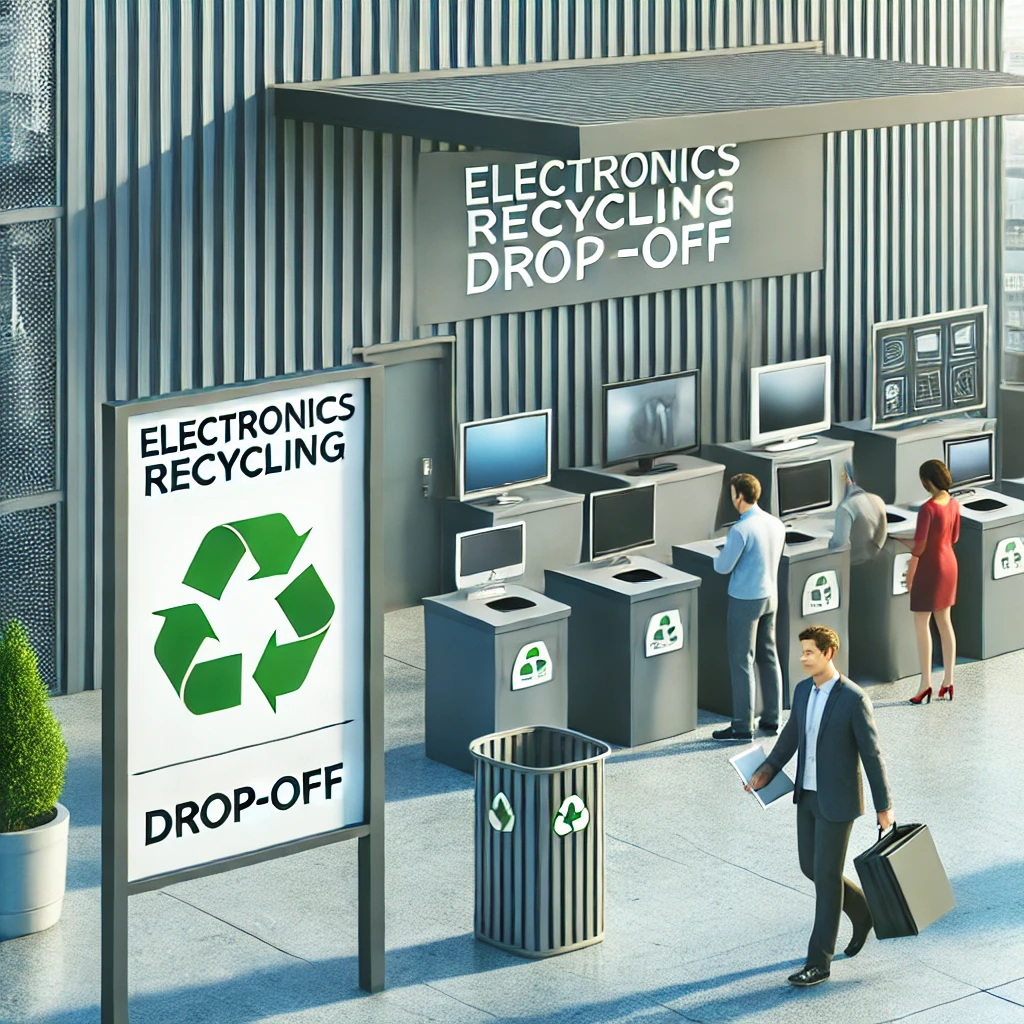
One of the most convenient places to recycle used electronics is Recycle IT. We are located in Cannington and are happy to accept E-Waste at no charge.
We offer a viable option for recycling used electronics and are fully equipped to handle a variety of waste materials, including electronics. We have the necessary machinery to safely dismantle and recycle electronic devices, ensuring that harmful components are properly disposed of.
In conclusion, there are numerous options available for recycling used electronics near you. Whether you choose to drop off your device at a local retailer, utilize a manufacturer’s take-back program, visit a recycling center, donate to a charity, or sell online, you are playing a crucial role in reducing electronic waste. Remember, every electronic device recycled is a step towards a more sustainable and environmentally friendly future.
Effective Methods for Disposing of Old Computers Near Me
In the digital age, computers have become an integral part of our daily lives. However, as technology advances at a rapid pace, we often find ourselves with outdated computers that no longer serve our needs. Disposing of these old computers can be a daunting task, especially considering the environmental and data security implications. This article will explore effective methods for disposing of old computers near you.
Firstly, it is crucial to understand that simply throwing away your old computer in the trash is not an advisable option. Computers contain hazardous materials such as lead, mercury, and cadmium, which can harm the environment if not disposed of properly. Therefore, it is essential to consider environmentally friendly disposal methods.
One such method is recycling which Recycle IT will take care of. Please contact us for more find information about local E-Waste recycling such computer recycling, server recycing, phone recycling etc.
Before disposing of your old computer, it is crucial to ensure that all personal data is securely removed. Simply deleting files or formatting the hard drive is not enough, as data can still be recovered with the right tools. Use data destruction software to overwrite your hard drive multiple times, making it nearly impossible to recover any data. Alternatively, you can physically destroy the hard drive, but this should be done carefully to avoid injury. Recycle IT takes care of all the data sanitisation and destruction on your behalf including wiping, degaussing or shredding (physical destruction).
“Securing the Future, One Device at a Time.”
Introduction
IT asset disposition (ITAD) is a business-built procedure for disposing of outdated or unwanted equipment in a safe and ecologically-responsible manner. It involves the management of retiring, obsolete, or surplus IT equipment such as computers, servers, networking hardware, and other electronic devices. The process ensures that all sensitive data is securely removed, and the equipment is either recycled or disposed of in compliance with environmental regulations. ITAD is crucial for organizations to mitigate risk, maximize recovery values, and meet corporate sustainability objectives.
Understanding the Importance of IT Asset Disposition in Business
IT asset disposition, often abbreviated as ITAD, is a significant aspect of any business that relies on technology for its operations. It refers to the process of disposing of unwanted or obsolete IT equipment in a safe and ecologically-responsible manner. This process is not only crucial for environmental sustainability but also for maintaining the security and integrity of a company’s data.
In the digital age, businesses are continually upgrading their IT infrastructure to stay competitive and efficient. This constant evolution results in a surplus of outdated IT assets, such as computers, servers, printers, and mobile devices, that need to be disposed of properly. However, the disposal of these assets is not as simple as throwing them in the trash. They contain hazardous materials that can harm the environment if not handled correctly. Moreover, these devices often hold sensitive data that can be a goldmine for cybercriminals if not properly erased.
This is where IT asset disposition comes into play. ITAD providers specialize in the secure and environmentally-friendly disposal of IT assets. They follow strict protocols to ensure that all data is completely wiped from the devices before they are recycled or resold. This not only protects the company from potential data breaches but also complies with various environmental regulations.
The importance of IT asset disposition in business cannot be overstated. First and foremost, it helps companies protect their sensitive data. In an era where data breaches are becoming increasingly common and costly, businesses cannot afford to overlook the potential risks associated with improperly disposed of IT assets. By working with a reputable ITAD provider, companies can ensure that their old devices are wiped clean of any data, reducing the risk of it falling into the wrong hands.
Secondly, IT asset disposition is a key component of corporate social responsibility. By ensuring that their old IT equipment is disposed of in an environmentally-friendly manner, businesses can demonstrate their commitment to sustainability. This can enhance their reputation among customers, investors, and the wider public, who are increasingly valuing companies that take their environmental responsibilities seriously.
Moreover, IT asset disposition can also have financial benefits. Many ITAD providers offer buyback programs for old equipment that still has value, providing an additional source of revenue for businesses. Additionally, by ensuring proper disposal of IT assets, companies can avoid potential fines and penalties associated with non-compliance with environmental regulations.
In conclusion, IT asset disposition is a critical process that businesses must consider as part of their overall IT strategy. It offers a secure and environmentally-friendly solution for disposing of old IT equipment, protecting sensitive data, and potentially providing a source of revenue. As businesses continue to rely more heavily on technology, the importance of IT asset disposition will only continue to grow. Therefore, it is essential for businesses to partner with a reputable ITAD provider to ensure they are managing their IT assets responsibly.
Best Practices for Effective IT Asset Disposition

IT asset disposition, often abbreviated as ITAD, is a significant aspect of any organization’s IT management strategy. It involves the safe and responsible disposal of obsolete or unwanted IT equipment in a manner that complies with regulatory requirements and minimizes risk. Effective ITAD practices not only ensure that organizations avoid penalties associated with non-compliance but also help them recover value from their retired IT assets.
To begin with, it is crucial to have a well-defined ITAD policy in place. This policy should outline the procedures for disposing of IT assets, including who is responsible for the process, how the assets should be tracked, and what documentation is required. It should also specify how to handle data stored on the assets to prevent data breaches.
One of the most critical aspects of ITAD is data security. Before disposing of any IT asset, organizations must ensure that all sensitive data is completely erased. This can be achieved through methods such as degaussing, which uses a magnetic field to erase data, or physical destruction, which involves shredding the asset to make data recovery impossible. It is important to note that simply deleting files or reformatting a hard drive is not sufficient to ensure data security, as the data can often be recovered with specialized software.
Another best practice for effective ITAD is to maintain a detailed inventory of all IT assets. This inventory should include information such as the make and model of the asset, its purchase date, its estimated value, and its current condition. Having this information readily available can help organizations make informed decisions about when to retire assets and can also simplify the disposal process.
In addition to these practices, organizations should also consider partnering with a professional ITAD service provider. These providers have the expertise and resources to handle the disposal process efficiently and securely. They can also provide valuable services such as asset valuation, data destruction certification, and environmentally friendly disposal methods. When choosing an ITAD service provider, organizations should look for providers who are certified by recognized industry bodies, as this indicates that they adhere to high standards of quality and security.
Lastly, it is important to remember that ITAD is not just about disposing of assets, but also about recovering value from them. Many IT assets, such as computers and servers, can be refurbished and resold, providing a source of revenue for the organization. Even if an asset cannot be resold, it may still contain valuable components that can be harvested and reused. Therefore, organizations should explore all possible avenues for asset recovery before deciding to dispose of an asset.
In conclusion, effective IT asset disposition is a complex process that requires careful planning and execution. By implementing best practices such as having a well-defined ITAD policy, ensuring data security, maintaining a detailed asset inventory, partnering with a professional ITAD service provider, and exploring avenues for asset recovery, organizations can not only comply with regulatory requirements but also maximize the value they derive from their IT assets.
The Role of IT Asset Disposition in Data Security
IT asset disposition, often abbreviated as ITAD, is a crucial process that businesses must undertake to ensure the secure and responsible disposal of obsolete or unwanted IT equipment. This process is not only essential for environmental sustainability but also plays a pivotal role in data security.
In the digital age, data is a valuable asset. It is the lifeblood of modern businesses, driving decision-making, strategy, and operations. However, with the increasing value of data comes an increased risk. Cybersecurity threats are on the rise, and data breaches can have devastating consequences for businesses, including financial loss, reputational damage, and legal repercussions. Therefore, it is imperative for businesses to have robust data security measures in place, and IT asset disposition is a key component of these measures.
IT asset disposition involves the secure decommissioning of IT equipment, ensuring that all data stored on these devices is completely destroyed and cannot be recovered. This is particularly important when disposing of devices such as computers, servers, and hard drives, which can contain sensitive business information. If these devices are not properly disposed of, they can fall into the wrong hands, leading to data breaches.
The process of IT asset disposition begins with a thorough inventory of all IT assets. This helps businesses understand what equipment they have, where it is located, and what data it contains. Once this inventory is complete, businesses can then decide which assets are obsolete or no longer needed and can be disposed of.
The actual disposal of IT assets must be carried out carefully and securely. This often involves physical destruction of the devices, such as shredding or crushing, to ensure that the data cannot be recovered. Alternatively, the data can be securely wiped using specialized software. However, it is important to note that simply deleting files or formatting a hard drive is not sufficient to ensure data security. Skilled cybercriminals can often recover data from devices that have been improperly disposed of.
In addition to secure disposal, IT asset disposition also involves the responsible recycling or repurposing of IT equipment. This helps to reduce the environmental impact of e-waste, which is a growing global problem. Many ITAD providers offer environmentally friendly disposal options, ensuring that businesses can dispose of their IT assets in a way that is not only secure but also sustainable.
Finally, IT asset disposition includes comprehensive documentation of the entire process. This provides businesses with a clear record of what assets have been disposed of, how they were disposed of, and what data was destroyed. This documentation can be crucial in the event of a data breach investigation or an audit.
In conclusion, IT asset disposition plays a vital role in data security. It ensures that businesses can safely dispose of their obsolete or unwanted IT equipment without risking a data breach. Furthermore, it helps businesses to meet their environmental responsibilities by promoting the responsible disposal of IT assets. Therefore, all businesses should consider implementing a robust ITAD strategy as part of their overall data security measures.
Conclusion
IT asset disposition (ITAD) is a crucial process for any business, as it ensures the safe and efficient disposal of obsolete or unwanted IT equipment. It not only helps in managing the lifecycle of IT assets but also mitigates the risk of data breaches and complies with environmental regulations. Therefore, ITAD is an essential practice for maintaining data security, corporate reputation, and environmental sustainability.
“Securing Your Digital Legacy, One Asset at a Time.”
Introduction
Secure IT Asset Disposition (ITAD) is a business built around the safe and efficient disposal of obsolete or unwanted IT equipment in a manner that prevents any risk of data leakage and environmental harm. It involves a set of processes including the secure collection, storage, and transportation of IT assets, followed by data destruction, refurbishing, recycling, or disposal of the equipment. The primary goal of Secure ITAD is to protect sensitive data from unauthorized access or theft, while also ensuring compliance with local and global environmental regulations.
Understanding the Importance of Secure IT Asset Disposition
Secure IT asset disposition (ITAD) is a critical aspect of any organization’s data security strategy. It involves the safe disposal of obsolete or unwanted equipment in a manner that prevents data breaches and complies with regulatory requirements. The importance of secure IT asset disposition cannot be overstated, as it plays a pivotal role in safeguarding an organization’s sensitive data and maintaining its reputation.
In today’s digital age, data is a valuable asset. It is the lifeblood of businesses, driving decision-making and strategic planning. However, this data can also be a liability if not properly managed, especially when it comes to disposing of IT assets. These assets, which include computers, servers, hard drives, and mobile devices, often contain sensitive information that can be exploited if they fall into the wrong hands.
Secure IT asset disposition is designed to mitigate this risk. It involves a series of processes, including data sanitization, asset tracking, and environmentally responsible recycling or disposal. Data sanitization ensures that all data is permanently erased from the device, making it impossible to recover. Asset tracking provides a clear audit trail, documenting the lifecycle of each asset from acquisition to disposal. This not only ensures accountability but also aids in compliance with data protection regulations.
Moreover, secure IT asset disposition is not just about data security; it also has environmental implications. Electronic waste, or e-waste, is a growing global problem. According to the Global E-waste Monitor, 53.6 million metric tons of e-waste was generated worldwide in 2019, a figure that is expected to increase in the coming years. Secure IT asset disposition helps to address this issue by promoting the responsible recycling or disposal of IT assets, thereby reducing the amount of e-waste that ends up in landfills.
Furthermore, secure IT asset disposition can also have financial benefits for organizations. By properly disposing of IT assets, organizations can avoid hefty fines and penalties associated with non-compliance with data protection regulations. In some cases, they may even be able to recoup some of their initial investment through the resale or recycling of assets.
However, implementing a secure IT asset disposition strategy is not without its challenges. It requires a thorough understanding of both the technical and regulatory aspects of IT asset disposal. Organizations must also have robust policies and procedures in place to ensure that all employees understand their roles and responsibilities in the process.
In conclusion, secure IT asset disposition is an essential component of an organization’s data security strategy. It not only helps to protect sensitive data but also promotes environmental responsibility and can have financial benefits. However, it requires careful planning and execution to be effective. As such, organizations should consider partnering with a professional IT asset disposition service provider. These providers have the expertise and resources to ensure that IT assets are disposed of securely and in compliance with all relevant regulations, providing peace of mind for organizations and their stakeholders.
Best Practices for Implementing Secure ITAD in Your Organization

Secure IT asset disposition (ITAD) is a critical aspect of any organization’s data security strategy. It involves the safe disposal of obsolete or unwanted IT assets in a manner that prevents data breaches and complies with environmental regulations. Implementing secure ITAD practices in your organization can protect sensitive data, reduce environmental impact, and potentially generate revenue from the resale of decommissioned assets.
To begin with, it is essential to develop a comprehensive ITAD policy. This policy should outline the procedures for disposing of IT assets, including who is responsible for each step, what should be done with the data stored on the devices, and how to ensure that the disposal process is environmentally friendly. The policy should also include a plan for regular audits to ensure compliance and effectiveness.
Once the policy is in place, the next step is to inventory all IT assets. This includes not only computers and servers but also mobile devices, printers, and any other equipment that stores data. The inventory should include details about each asset, such as its age, condition, and the type and amount of data it holds. This information will help determine the best method of disposal for each asset and identify any potential risks.
After the inventory is complete, the next step is data sanitization. This involves removing all data from the devices in a way that it cannot be recovered. There are several methods of data sanitization, including physical destruction, degaussing, and overwriting. The choice of method depends on the type of device and the sensitivity of the data. For example, physical destruction may be appropriate for old hard drives containing sensitive data, while overwriting may be sufficient for less sensitive devices.
Once the data has been sanitized, the next step is the actual disposal of the assets. This should be done in a way that complies with all relevant environmental regulations. Many organizations choose to work with a certified ITAD provider to ensure compliance. These providers can also help with the resale or recycling of assets, potentially generating revenue for the organization.
Finally, it is important to document the entire ITAD process. This includes keeping records of the inventory, the data sanitization methods used, and the final disposition of each asset. Documentation is crucial for demonstrating compliance with data protection and environmental regulations. It can also provide valuable information for improving future ITAD practices.
In conclusion, implementing secure ITAD practices in your organization involves developing a comprehensive policy, conducting an inventory of all IT assets, sanitizing the data, disposing of the assets in an environmentally friendly manner, and documenting the entire process. By following these steps, organizations can protect sensitive data, comply with regulations, and potentially generate revenue from the resale of decommissioned assets. However, it is important to remember that ITAD is not a one-time event but an ongoing process that requires regular audits and updates to stay effective.
The Role of Secure IT Asset Disposition in Data Protection
Secure IT asset disposition (ITAD) is a critical component of data protection that is often overlooked. It involves the safe disposal of obsolete or unwanted equipment in a manner that prevents data breaches. As businesses continue to generate vast amounts of data, the need for secure ITAD practices becomes increasingly important.
The role of secure ITAD in data protection begins with understanding the potential risks associated with improper disposal of IT assets. When businesses fail to dispose of their IT assets securely, they expose themselves to the risk of data breaches. This can lead to significant financial losses, damage to the company’s reputation, and potential legal consequences.
Secure ITAD practices involve several steps to ensure data protection. Firstly, it involves the identification and tracking of all IT assets within an organization. This includes everything from laptops and desktops to servers and storage devices. By maintaining an accurate inventory of all IT assets, businesses can ensure that no equipment falls through the cracks during the disposal process.
Once all assets have been identified, the next step in secure ITAD is data sanitization. This involves the complete erasure of all data from the device, ensuring that it cannot be recovered by malicious actors. There are several methods of data sanitization, including physical destruction, degaussing, and cryptographic erasure. The choice of method will depend on the sensitivity of the data and the specific requirements of the organization.
After data sanitization, the next step in secure ITAD is the actual disposal of the IT assets. This can involve recycling, reselling, or donating the equipment. Regardless of the method chosen, it is crucial that businesses work with a trusted ITAD provider to ensure that the disposal process is carried out securely and in compliance with all relevant regulations.
Finally, secure ITAD involves the documentation of the entire disposal process. This includes records of the data sanitization methods used, the final disposition of the assets, and any certificates of destruction or recycling. This documentation is crucial for demonstrating compliance with data protection regulations and can provide valuable evidence in the event of a data breach investigation.
In conclusion, secure ITAD plays a vital role in data protection. By ensuring the secure disposal of IT assets, businesses can protect themselves from the risk of data breaches and comply with data protection regulations. However, secure ITAD is not a one-size-fits-all solution. Each organization will have its own unique requirements and challenges, and it is crucial to work with a trusted ITAD provider to develop a tailored solution. With the right approach, secure ITAD can provide a robust and effective layer of protection for your business’s data.
Conclusion
Secure IT asset disposition (ITAD) is a crucial process for any business, ensuring that obsolete or unwanted IT equipment is disposed of safely and responsibly. It not only helps companies manage their IT assets effectively but also mitigates risks associated with data security and compliance with environmental regulations. Therefore, Secure ITAD is an essential practice for maintaining data privacy, reducing environmental impact, and optimizing resource management in the digital age.

“Securing Your Future by Safely Disposing Your Past IT Assets.”
Introduction
IT asset disposal refers to the process of safely discarding obsolete or unwanted equipment in a manner that is in line with environmental regulations and data privacy standards. This process involves the handling, storing, and disposing of IT assets such as computers, servers, printers, and other electronic devices. The goal of IT asset disposal is to minimize the risk of data breaches, comply with environmental regulations, and potentially recoup some value from the disposed assets. It is a critical aspect of IT asset management, particularly for businesses and organizations that regularly upgrade or replace their IT equipment.
Understanding the Importance of Proper IT Asset Disposal
In the rapidly evolving world of information technology, businesses are constantly upgrading their IT infrastructure to stay competitive and efficient. However, the disposal of outdated IT assets is an aspect that often gets overlooked. Understanding the importance of proper IT asset disposal is crucial for businesses, not only from an environmental perspective but also from a data security and financial standpoint.
IT asset disposal refers to the process of safely discarding obsolete or unwanted equipment like computers, servers, printers, and mobile devices. This process is not as simple as throwing away old equipment. It involves a series of steps including data destruction, recycling, and disposal in compliance with environmental regulations.
One of the primary reasons why IT asset disposal is important is due to the potential risk of data breaches. Old IT assets often contain sensitive data, which if not properly erased, can fall into the wrong hands. This can lead to serious consequences including identity theft, financial loss, and damage to the company’s reputation. Therefore, businesses must ensure that all data is completely wiped from the devices before they are disposed of. This can be achieved through methods such as degaussing, physical destruction, or data wiping using certified software.
Another significant reason for proper IT asset disposal is the environmental impact. Electronic waste, or e-waste, is one of the fastest-growing waste streams in the world. Improper disposal of IT assets can lead to harmful substances like lead, mercury, and cadmium being released into the environment, causing serious harm to both human health and the ecosystem. Therefore, businesses have a responsibility to dispose of their IT assets in an environmentally friendly manner. This can be done by partnering with certified e-waste recycling companies that follow strict environmental standards.
Moreover, proper IT asset disposal can also have financial benefits for businesses. Many IT assets, even if they are no longer useful for the company, can still have residual value. By selling these assets to IT asset disposition (ITAD) companies, businesses can recover some of the initial investment. Additionally, by demonstrating responsible disposal practices, companies can enhance their corporate social responsibility profile, which can lead to improved customer perception and potentially, increased business.
However, managing IT asset disposal can be a complex task, especially for large organizations with vast IT infrastructures. It requires a deep understanding of both technological and regulatory aspects. Therefore, many businesses choose to outsource this task to professional ITAD service providers. These providers have the expertise and resources to handle the entire disposal process, from data destruction to recycling, in a secure and compliant manner.
In conclusion, proper IT asset disposal is a critical aspect of IT management that businesses cannot afford to ignore. It is not only a matter of legal compliance and environmental responsibility but also a crucial step in safeguarding sensitive data and maintaining financial efficiency. By understanding the importance of IT asset disposal and implementing effective disposal strategies, businesses can ensure that they are not only keeping pace with technological advancements but also doing so in a responsible and sustainable manner.
Best Practices for Secure and Eco-friendly IT Asset Disposal

In the rapidly evolving world of information technology, businesses often find themselves in a cycle of constant upgrading, replacing outdated equipment with newer, more efficient models. However, the disposal of these obsolete IT assets is a critical process that requires careful consideration. It is essential to ensure that the disposal is not only secure but also eco-friendly. This article will explore some of the best practices for secure and eco-friendly IT asset disposal.
Firstly, it is crucial to understand the importance of secure IT asset disposal. In the digital age, data breaches can have severe consequences, including financial loss, damage to reputation, and legal repercussions. Therefore, before disposing of any IT equipment, businesses must ensure that all sensitive data is completely erased. This process, known as data sanitization, involves overwriting, degaussing, or physically destroying the data storage devices. It is recommended to use software or services that adhere to international data destruction standards, such as the U.S. Department of Defense’s DoD 5220.22-M standard.
However, data sanitization is just one aspect of secure IT asset disposal. It is equally important to consider the physical security of the assets during the disposal process. This includes secure storage of the assets prior to disposal, secure transportation to the disposal site, and ensuring that the disposal process itself is carried out in a secure environment. Businesses should consider partnering with a certified IT asset disposal (ITAD) company that can provide these services and guarantee the secure handling of their IT assets.
Moving on to the eco-friendly aspect of IT asset disposal, it is important to note that electronic waste, or e-waste, is one of the fastest-growing waste streams globally. Improper disposal of e-waste can lead to harmful substances such as lead, mercury, and cadmium being released into the environment. Therefore, businesses have a responsibility to ensure that their IT assets are disposed of in an environmentally friendly manner.
One of the most effective ways to achieve this is through recycling. Many components of IT equipment, such as metals, plastics, and glass, can be recycled and reused. However, not all recycling processes are created equal. Some methods can still lead to harmful substances being released. Therefore, it is recommended to work with a certified e-waste recycling company that uses environmentally friendly processes.
Another eco-friendly disposal method is IT asset remarketing. This involves refurbishing and reselling the IT equipment, thereby extending its lifecycle and reducing the need for new equipment to be manufactured. Remarketing not only helps to reduce e-waste but can also provide a financial return for businesses.
In conclusion, secure and eco-friendly IT asset disposal is a complex process that requires careful planning and execution. By ensuring data sanitization, physical security, and environmentally friendly disposal methods, businesses can not only protect themselves from the risks associated with data breaches but also contribute to the global effort to reduce e-waste. Partnering with certified ITAD and e-waste recycling companies can provide businesses with the expertise and resources they need to achieve these goals.
The Role of IT Asset Disposal in Data Protection
IT asset disposal is a critical process that plays a significant role in data protection. It involves the safe and responsible disposal of obsolete or unwanted IT equipment in a manner that prevents unauthorized access to sensitive data. This process is not only crucial for maintaining the integrity of an organization’s data but also for ensuring compliance with various data protection laws and regulations.
The importance of IT asset disposal in data protection cannot be overstated. In today’s digital age, data is one of the most valuable assets a company possesses. It is used to make informed business decisions, understand customer behavior, and drive innovation. However, this data can also be a liability if it falls into the wrong hands. Cybercriminals can exploit sensitive information for fraudulent activities, leading to financial losses and damage to a company’s reputation. Therefore, it is essential to dispose of IT assets in a secure manner to prevent data breaches.
IT asset disposal involves several steps, each of which plays a crucial role in data protection. The first step is data sanitization, which involves the complete removal of data from the device. This is typically achieved through methods such as overwriting, degaussing, or physical destruction. It is important to note that simply deleting files or formatting the hard drive is not sufficient to ensure data is irretrievable. Specialized software or equipment is often required to thoroughly sanitize the device.
Following data sanitization, the next step is the physical disposal of the IT asset. This can involve recycling, reselling, or disposing of the equipment in an environmentally friendly manner. Regardless of the method chosen, it is crucial to ensure that the disposal process is carried out in accordance with local and international regulations. Failure to do so can result in hefty fines and legal repercussions.
Another key aspect of IT asset disposal is documentation. Detailed records should be kept of each step in the disposal process, from the initial decision to dispose of the asset, through to the final disposal. This documentation serves as proof that the organization has taken all necessary steps to protect sensitive data and comply with relevant regulations.
In addition to these steps, organizations should also consider partnering with a professional IT asset disposal company. These companies have the expertise and resources to ensure that IT assets are disposed of securely and responsibly. They can also provide valuable advice on how to improve the organization’s overall data protection strategy.
In conclusion, IT asset disposal plays a pivotal role in data protection. It ensures that sensitive data does not fall into the wrong hands when IT equipment is disposed of. By following a thorough and compliant IT asset disposal process, organizations can protect their valuable data, avoid legal repercussions, and maintain their reputation. Therefore, it is essential for organizations to understand the importance of IT asset disposal and implement effective strategies to manage it.
Conclusion
In conclusion, IT asset disposal is a critical process in the management of obsolete or unwanted IT equipment. It not only helps in maintaining a clutter-free environment but also ensures data security and compliance with environmental regulations. Proper IT asset disposal can mitigate risks associated with data breaches and illegal dumping, while also potentially providing financial returns through the resale or recycling of valuable components.
“Secure Your Privacy, Wipe Your Hard Drive!”
Introduction
A wipe hard drive refers to the process of completely erasing all data from a computer’s hard drive. This is often done to remove sensitive information, prepare a device for disposal or resale, or to eliminate viruses or malware. The process involves overwriting the entire hard drive with zeros, ones, or random data, making it nearly impossible to recover any previously stored data. It’s a crucial step in data management and security, particularly for businesses and individuals dealing with confidential or personal information.
Understanding the Importance of Wiping Your Hard Drive
The digital age has brought about a significant shift in the way we store and manage data. From personal files to sensitive business information, hard drives have become the primary storage medium for most individuals and organizations. However, as much as these devices have made data storage and retrieval easier, they also pose a significant risk if not properly managed. One such risk is the potential for data breaches, which can occur when old or discarded hard drives are not properly wiped. This underscores the importance of understanding how to wipe a hard drive and why it is crucial.
Wiping a hard drive refers to the process of completely erasing all data stored on the device. This is not to be confused with deleting files or formatting the drive, which only removes the pointers to the data but leaves the actual data intact. Wiping a hard drive, on the other hand, overwrites the entire drive with zeros or random data, making it nearly impossible to recover any previously stored information.
The importance of wiping a hard drive cannot be overstated. In an era where data is considered the new oil, the consequences of data falling into the wrong hands can be catastrophic. Personal data can be used for identity theft, while sensitive business information can give competitors an unfair advantage or lead to significant financial losses. Moreover, organizations that fail to properly dispose of data can face hefty fines and legal penalties, not to mention the damage to their reputation.
Despite these risks, many individuals and organizations still overlook the importance of wiping their hard drives. This is often due to a lack of awareness or the misconception that deleting files or formatting the drive is sufficient. However, numerous studies and real-world examples have shown that data can easily be recovered from drives that have not been properly wiped. This is why it is crucial to use reliable data destruction methods and tools when disposing of old hard drives.
There are several ways to wipe a hard drive, ranging from software solutions to physical destruction. Software solutions work by overwriting the entire drive with zeros or random data, while physical destruction involves shredding or degaussing the drive. While both methods can be effective, they each have their pros and cons. Software solutions are generally more accessible and affordable, but they can be time-consuming and may not be 100% effective. Physical destruction, on the other hand, is more reliable but can be costly and may not be feasible for large volumes of drives.
In conclusion, wiping a hard drive is a critical step in data management and security. It not only protects personal and business information from unauthorized access but also helps organizations comply with data protection laws and regulations. Therefore, whether you are an individual looking to dispose of an old computer or a business upgrading your IT infrastructure, it is essential to understand how to properly wipe your hard drives. By doing so, you can ensure that your data is completely erased and beyond the reach of potential data thieves.
Step-by-Step Guide to Securely Wipe Your Hard Drive

In the digital age, data security is of paramount importance. One of the most critical aspects of this is ensuring that your hard drive is securely wiped clean of any sensitive information. Whether you’re planning to sell your computer, recycle it, or simply want to start fresh, a thorough wipe of your hard drive is essential. This article provides a step-by-step guide to securely wipe your hard drive.
Before you begin the process, it’s crucial to back up any data you wish to keep. This could be personal files, photos, or important documents. You can back up your data to an external hard drive, a cloud storage service, or another secure location. Remember, once the hard drive is wiped, the data cannot be recovered.
The first step in the process is to delete all files and folders on your hard drive. This can be done by dragging them to the trash or recycle bin on your desktop. However, this alone does not completely erase the data. The files are still recoverable with the right software. To ensure the data is permanently deleted, you need to overwrite it.
Overwriting is the process of replacing the existing data with random information. There are several software tools available that can do this for you. Some of the most popular include DBAN (Darik’s Boot and Nuke), Eraser, and CCleaner. These tools work by writing over the data multiple times, making it virtually impossible to recover.
To use one of these tools, you’ll need to download and install the software on your computer. Once installed, you can select the hard drive you wish to wipe and start the overwriting process. This can take several hours, depending on the size of your hard drive. It’s important to note that you should not use your computer during this process, as it can interfere with the overwriting.
Once the overwriting process is complete, the next step is to format the hard drive. This is essentially a way of resetting the hard drive to its factory settings. To do this, you’ll need to access the disk management tool on your computer. This can usually be found in the control panel or system settings. From there, you can select the hard drive and choose the format option. This will erase any remaining data and prepare the hard drive for reuse.
The final step in the process is to reinstall the operating system. This is necessary if you plan to continue using the computer. You can do this by inserting the installation disk or USB drive and following the on-screen instructions. If you’re selling or recycling the computer, you can skip this step.
In conclusion, securely wiping your hard drive is a multi-step process that involves deleting files, overwriting data, formatting the hard drive, and reinstalling the operating system. By following these steps, you can ensure that your sensitive data is permanently erased and cannot be recovered. Remember, data security is not something to be taken lightly. Always take the necessary precautions to protect your information.
The Consequences of Not Properly Wiping Your Hard Drive
The digital age has brought about a significant shift in the way we store and manage information. Gone are the days when physical files and documents were the primary means of data storage. Today, hard drives, both internal and external, have become the de facto repositories of our personal and professional data. However, with this convenience comes a significant responsibility: the need to properly wipe your hard drive. Failure to do so can lead to a host of undesirable consequences.
Firstly, not properly wiping your hard drive can lead to a breach of personal privacy. Hard drives store a wealth of information, from personal photos and videos to financial records and confidential documents. If you dispose of a hard drive without properly erasing its contents, you run the risk of this sensitive information falling into the wrong hands. This could lead to identity theft, financial fraud, or even blackmail.
Secondly, businesses that fail to properly wipe their hard drives can face severe legal and financial repercussions. Many industries are subject to strict regulations regarding the handling and disposal of data. For instance, healthcare providers in the United States are bound by the Health Insurance Portability and Accountability Act (HIPAA), which mandates the secure disposal of patient information. Failure to comply with such regulations can result in hefty fines and damage to the company’s reputation.
Moreover, not properly wiping a hard drive can also lead to a loss of intellectual property. Businesses often store proprietary information on their hard drives, such as trade secrets, business strategies, and customer databases. If this information is not properly erased, it could be recovered by competitors or malicious actors, leading to a significant competitive disadvantage.
Furthermore, the environmental impact of not properly wiping hard drives should not be overlooked. Many people are unaware that hard drives contain harmful substances such as lead and mercury. If not disposed of properly, these substances can leach into the environment, causing soil and water contamination. By properly wiping and recycling hard drives, we can help to mitigate this environmental harm.
In light of these potential consequences, it is clear that properly wiping a hard drive is not a task to be taken lightly. There are several methods to do so, ranging from physical destruction to using specialized software that overwrites the data multiple times. However, it is important to note that simply deleting files or formatting the hard drive is not sufficient, as the data can often be recovered with the right tools.
In conclusion, the importance of properly wiping a hard drive cannot be overstated. Whether you are an individual looking to protect your personal privacy, a business aiming to comply with data protection regulations, or an environmentally-conscious citizen, the proper disposal of hard drives is a responsibility that should not be shirked. By taking the time to properly wipe your hard drives, you can safeguard your personal and professional data, comply with legal obligations, protect the environment, and ultimately, enjoy peace of mind.
Conclusion
In conclusion, wiping a hard drive is a crucial process to ensure the complete removal of data, preventing unauthorized access or data recovery. It’s particularly important when disposing of, selling, or donating a computer to protect personal or sensitive information. However, it should be done carefully as it is irreversible and could lead to loss of important data if not backed up properly.
“Securing Your Privacy, One Shred at a Time.”
Introduction
Hard drive shredding is a process used to completely destroy a hard drive and its data beyond recovery. It involves the use of specialized machinery to physically crush or shred the hard drive, rendering it and the information it contains unreadable and irretrievable. This method is often used by businesses and organizations to prevent sensitive data from falling into the wrong hands, ensuring data privacy and protection.
Understanding the Importance of Hard Drive Shredding
Hard drive shredding is a process that is often overlooked, yet it plays a crucial role in the protection of sensitive data. It is a method of physically destroying old or unwanted hard drives to ensure that the data stored on them cannot be retrieved or misused. This process is not only essential for businesses that handle sensitive information but also for individuals who want to protect their personal data.
In today’s digital age, data is a valuable asset. It is used in various sectors, from business and finance to healthcare and education. However, with the increasing reliance on digital data comes the growing risk of data breaches. Cybercriminals are always on the lookout for opportunities to steal valuable information, and one of the easiest ways for them to do so is by accessing data from discarded or old hard drives. Even if the data has been deleted, skilled hackers can still retrieve it using advanced software. This is where hard drive shredding comes into play.
Hard drive shredding is a process that involves the physical destruction of a hard drive, rendering it completely unusable. The process is so thorough that even the most sophisticated data recovery tools cannot retrieve any information from a shredded hard drive. This ensures that all data, whether it’s sensitive business information or personal details, is completely eradicated and beyond the reach of potential data thieves.
The importance of hard drive shredding cannot be overstated, especially for businesses. Companies often store a wealth of sensitive information, including financial details, customer data, and trade secrets. If this information falls into the wrong hands, it could lead to significant financial losses and damage to the company’s reputation. Therefore, businesses must take all necessary steps to protect their data, and one of the most effective ways to do this is through hard drive shredding.
Moreover, hard drive shredding is not just about protecting sensitive data; it’s also about compliance with data protection laws. Many jurisdictions have strict regulations regarding the disposal of data, and failure to comply with these laws can result in hefty fines and legal penalties. By shredding old hard drives, businesses can ensure that they are adhering to these regulations and avoiding potential legal issues.
For individuals, hard drive shredding can provide peace of mind. Many people store personal information, such as bank details and medical records, on their computers. By shredding old hard drives, individuals can ensure that this information is permanently destroyed and cannot be misused.
In conclusion, hard drive shredding is a critical process in the digital age. It provides a foolproof method of destroying data, ensuring that it cannot be retrieved or misused. Whether you’re a business owner looking to protect sensitive company information or an individual wanting to safeguard personal data, hard drive shredding is an essential step in data protection. It not only helps prevent data breaches but also ensures compliance with data protection laws. Therefore, the next time you’re about to discard an old hard drive, remember to consider hard drive shredding – it’s a small step that can make a big difference in data security.
The Process and Benefits of Hard Drive Shredding

Hard drive shredding is a process that involves the physical destruction of a hard drive, rendering it completely unusable and the data stored on it irretrievable. This process is often employed by businesses and individuals who wish to ensure that their sensitive data is completely destroyed and cannot be accessed or recovered by unauthorized individuals.
The process of hard drive shredding is quite straightforward. It begins with the removal of the hard drive from the computer or device. This is typically done by a professional who has the necessary tools and expertise to safely and effectively remove the hard drive without causing damage to the rest of the device. Once the hard drive has been removed, it is then placed into a specialized shredding machine. This machine uses powerful blades to cut the hard drive into tiny pieces, effectively destroying it and making it impossible for any data to be recovered.
The shredding process is thorough and leaves no room for data recovery. Even the most advanced data recovery tools and techniques are unable to retrieve data from a shredded hard drive. This is because the shredding process not only destroys the physical components of the hard drive, but also the magnetic properties that store data. As a result, hard drive shredding is considered one of the most secure methods of data destruction.
There are numerous benefits associated with hard drive shredding. One of the most significant benefits is the peace of mind that comes with knowing that your sensitive data has been completely destroyed and cannot be accessed or recovered. This is particularly important for businesses that handle sensitive customer data, as a data breach can have serious legal and financial consequences.
In addition to providing peace of mind, hard drive shredding also helps businesses comply with various data protection laws and regulations. Many jurisdictions require businesses to properly dispose of old or unused hard drives in a manner that ensures the data stored on them cannot be recovered. Hard drive shredding meets these requirements, providing businesses with a simple and effective way to stay compliant.
Hard drive shredding is also environmentally friendly. The shredded pieces of the hard drive can be recycled and used to create new products. This not only reduces the amount of electronic waste that ends up in landfills, but also helps conserve valuable resources.
In conclusion, hard drive shredding is a secure, compliant, and environmentally friendly method of data destruction. It provides businesses and individuals with a way to ensure that their sensitive data is completely destroyed and cannot be accessed or recovered. Whether you’re a business owner looking to protect your customer’s data, or an individual wanting to dispose of an old computer, hard drive shredding offers a reliable solution. By choosing to shred your old hard drives, you’re not only protecting your own data, but also contributing to a more sustainable and secure world.
Why Businesses Should Consider Hard Drive Shredding
In the digital age, businesses are increasingly reliant on technology for their day-to-day operations. This reliance on technology, however, comes with a significant responsibility: the need to protect sensitive data. One of the most overlooked aspects of data protection is the disposal of old or obsolete hard drives. Many businesses may not realize that simply deleting files or reformatting a hard drive does not completely erase the data. This is where hard drive shredding comes into play.
Hard drive shredding is a process that physically destroys a hard drive, rendering it completely unusable and the data it contains irretrievable. This is achieved by using specialized machinery to cut the hard drive into tiny pieces, much like a paper shredder does to documents. The process is so thorough that even the most advanced data recovery tools cannot retrieve any information from a shredded hard drive.
The importance of hard drive shredding cannot be overstated, especially for businesses that handle sensitive data. This includes financial information, personal details of employees and customers, proprietary business information, and more. If such data falls into the wrong hands, it can lead to serious consequences such as identity theft, financial loss, and damage to the company’s reputation.
Moreover, businesses are legally obligated to protect the data they handle. Various laws and regulations, such as the General Data Protection Regulation (GDPR) in Europe and the Health Insurance Portability and Accountability Act (HIPAA) in the United States, mandate businesses to implement appropriate measures to safeguard personal data. Failure to comply with these regulations can result in hefty fines and legal penalties. Hard drive shredding is a reliable way to ensure compliance with these data protection laws.
In addition to the legal and financial implications, hard drive shredding also has environmental benefits. Many electronic waste recycling companies can recycle the shredded pieces of hard drives, reducing the amount of electronic waste that ends up in landfills. This is a significant step towards sustainable business practices, which is increasingly becoming a priority for many companies.
Despite these compelling reasons, some businesses may still be hesitant to implement hard drive shredding due to concerns about cost and convenience. However, there are many professional data destruction companies that offer hard drive shredding services at competitive prices. These companies often provide on-site shredding services, where they bring the shredding equipment to the business’s location, ensuring minimal disruption to the business’s operations. They also provide certificates of destruction, which serve as proof that the hard drives have been properly destroyed.
In conclusion, hard drive shredding is a crucial aspect of data protection that businesses should not overlook. It provides a foolproof way to destroy sensitive data, ensuring compliance with data protection laws and reducing the risk of data breaches. Furthermore, it contributes to environmental sustainability by facilitating the recycling of electronic waste. With professional data destruction companies offering convenient and cost-effective hard drive shredding services, businesses have every reason to consider implementing this practice.
Conclusion
Hard drive shredding is a highly effective method of ensuring data security. It physically destroys the hard drive, making data recovery virtually impossible. This method is particularly beneficial for businesses and individuals dealing with sensitive information, as it provides a high level of protection against data breaches and identity theft.