
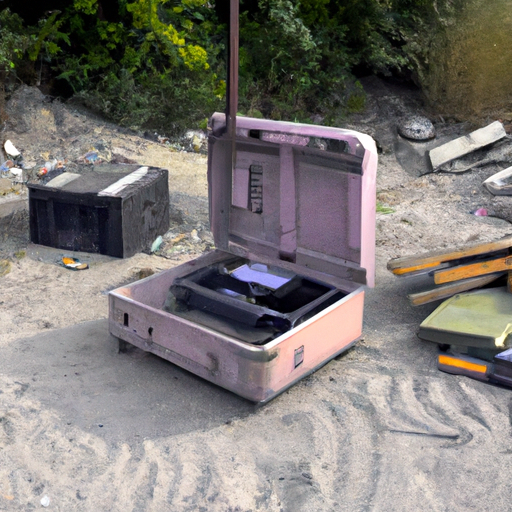
“Find Your Nearest E Waste Bin Location – It’s Easier Than You Think!”
Introduction
E-waste bin locations are becoming increasingly important as the amount of electronic waste continues to grow. Electronic waste, or e-waste, is any discarded electronic device or component that is no longer usable. This includes computers, televisions, cell phones, and other electronic devices. E-waste is a growing environmental concern due to the hazardous materials it contains, such as lead, mercury, and cadmium. Proper disposal of e-waste is essential to protect the environment and human health. E-waste bin locations provide a convenient way to dispose of e-waste safely and responsibly. This article will provide an overview of e-waste bin locations and the benefits they provide.
How to Find the Nearest E Waste Bin Location in Your City
If you are looking for the nearest e-waste bin location in your city, there are a few steps you can take to find it.
First, you should contact your local government or waste management department. They should be able to provide you with information about the nearest e-waste bin location. You can also check their website for any information about e-waste disposal.
Second, you can search online for e-waste bin locations in your city. Many cities have websites that list the locations of e-waste bins. You can also search for e-waste collection centers in your area.
Third, you can ask your neighbors or local businesses if they know of any e-waste bin locations. Many businesses and organizations have e-waste bins that are available for public use.
Finally, you can check with your local recycling center. They may have information about e-waste bin locations in your area.
By following these steps, you should be able to find the nearest e-waste bin location in your city. It is important to properly dispose of e-waste in order to protect the environment and keep our cities clean.
The Benefits of Recycling E Waste at Local Bin Locations

Recycling e-waste at local bin locations is an important step in protecting the environment and conserving natural resources. E-waste, or electronic waste, is any discarded electronic device or component, such as computers, televisions, cell phones, and other electronic items. As technology advances, more and more of these items are being discarded, creating a growing environmental problem.
Recycling e-waste at local bin locations helps to reduce the amount of e-waste that ends up in landfills. By recycling e-waste, valuable materials such as copper, aluminum, and plastic can be recovered and reused. This helps to conserve natural resources and reduce the need for mining and manufacturing new materials. Additionally, recycling e-waste helps to reduce the amount of hazardous materials that can be released into the environment. Many electronic components contain hazardous materials such as lead, mercury, and cadmium, which can be released into the environment if not properly disposed of.
Recycling e-waste at local bin locations also helps to create jobs and stimulate the local economy. By recycling e-waste, businesses can create jobs in the recycling industry, which can help to create economic growth in the local area. Additionally, recycling e-waste can help to reduce the cost of disposing of e-waste, which can help to reduce the cost of goods and services in the local area.
Finally, recycling e-waste at local bin locations helps to reduce the amount of energy used in the manufacturing process. By recycling e-waste, manufacturers can reduce the amount of energy used to create new products, which can help to reduce the amount of greenhouse gases released into the atmosphere.
In conclusion, recycling e-waste at local bin locations is an important step in protecting the environment and conserving natural resources. By recycling e-waste, valuable materials can be recovered and reused, hazardous materials can be prevented from entering the environment, jobs can be created, and energy can be conserved. Therefore, it is important for individuals and businesses to take advantage of local bin locations to recycle their e-waste.
The Impact of E Waste on the Environment and How to Reduce It Through Bin Locations
E-waste, or electronic waste, is a growing problem in the modern world. It is defined as any discarded electrical or electronic device, such as computers, televisions, cell phones, and other electronic items. As technology advances, more and more of these items are being discarded, leading to a significant environmental impact.
The environmental impact of e-waste is twofold. First, the materials used to make these items are often hazardous to the environment. Many of these materials, such as lead, mercury, and cadmium, can leach into the soil and water, contaminating them and making them unsafe for human consumption. Additionally, these materials can be released into the air, leading to air pollution.
Second, e-waste can be difficult to dispose of properly. Many of these items contain hazardous materials, and if not disposed of properly, can end up in landfills or in the environment. This can lead to further contamination of the environment and can be dangerous to human health.
Fortunately, there are ways to reduce the environmental impact of e-waste. One of the most effective ways is to ensure that e-waste is disposed of properly. This can be done by setting up designated e-waste bins in public places, such as parks, schools, and other public areas. These bins should be clearly labeled and should be placed in areas that are easily accessible to the public.
Additionally, it is important to educate the public about the importance of proper e-waste disposal. This can be done through public service announcements, posters, and other forms of media. By educating the public about the environmental impact of e-waste, it can help to reduce the amount of e-waste that is improperly disposed of.
Finally, it is important to ensure that e-waste is recycled whenever possible. Many electronics can be recycled and reused, which can help to reduce the amount of e-waste that is sent to landfills. Additionally, recycling can help to reduce the amount of hazardous materials that are released into the environment.
In conclusion, e-waste has a significant environmental impact. However, by setting up designated e-waste bins in public places, educating the public about proper e-waste disposal, and recycling e-waste whenever possible, it is possible to reduce the environmental impact of e-waste.
Conclusion
The placement of e-waste bins in public places is an important step in reducing the amount of e-waste that ends up in landfills. By providing convenient and accessible locations for people to dispose of their e-waste, we can help to reduce the environmental impact of e-waste and ensure that it is disposed of in a responsible manner. With the right locations and incentives, we can make a real difference in the amount of e-waste that is disposed of properly.
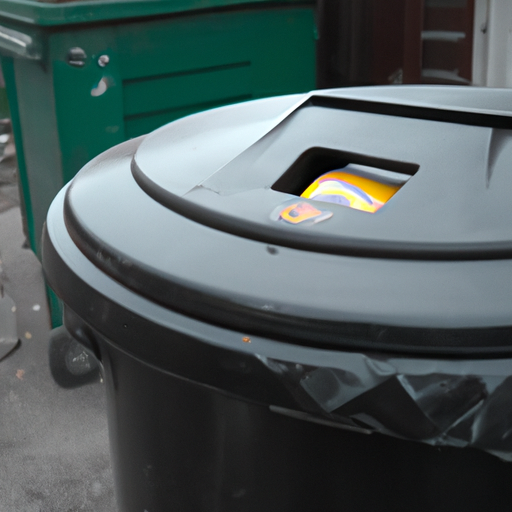
“Eliminate Your E-Waste Easily with E Waste Bin Near Me!”
Introduction
E-waste bin near me is a great way to dispose of your electronic waste in an environmentally friendly manner. Electronic waste, or e-waste, is any discarded electronic device or component that is no longer usable. This includes computers, televisions, cell phones, printers, and other electronic devices. E-waste can contain hazardous materials such as lead, mercury, and cadmium, which can be harmful to the environment if not disposed of properly. By using an e-waste bin near me, you can ensure that your e-waste is disposed of in a safe and responsible manner.
The Benefits of Installing an E Waste Bin Near Me: How to Make Recycling Easier and More Convenient
Recycling is an important part of protecting the environment and reducing waste. Unfortunately, many people find it difficult to recycle due to the lack of convenient recycling options. Installing an e-waste bin near you can make recycling easier and more convenient. Here are some of the benefits of installing an e-waste bin near you:
1. Increased Convenience: Installing an e-waste bin near you makes it easier for people to recycle their electronic waste. Instead of having to take their e-waste to a recycling center, they can simply drop it off at the bin. This makes it much more convenient for people to recycle their e-waste.
2. Reduced Waste: By making it easier for people to recycle their e-waste, an e-waste bin near you can help reduce the amount of e-waste that ends up in landfills. This helps to reduce the amount of waste that is produced and helps to protect the environment.
3. Increased Awareness: Installing an e-waste bin near you can help to raise awareness about the importance of recycling. People may be more likely to recycle their e-waste if they know that there is a convenient option available.
4. Cost Savings: Installing an e-waste bin near you can help to save money in the long run. By reducing the amount of e-waste that ends up in landfills, you can save money on disposal costs.
Installing an e-waste bin near you can make recycling easier and more convenient. It can help to reduce the amount of e-waste that ends up in landfills, raise awareness about the importance of recycling, and save money in the long run. If you are looking for a way to make recycling easier and more convenient, installing an e-waste bin near you is a great option.
The Impact of E Waste Bin Near Me on Local Communities: How to Reduce Waste and Improve the Environment

E-waste, or electronic waste, is a growing problem in many local communities. It is estimated that over 50 million tons of e-waste is generated each year, and this number is expected to increase in the coming years. As a result, it is important for local communities to take steps to reduce e-waste and improve the environment. One way to do this is to install e-waste bins near me.
E-waste bins near me are a convenient way for local residents to dispose of their unwanted electronics. These bins are typically located in public areas, such as parks, schools, and shopping centers. By providing easy access to e-waste disposal, local communities can encourage residents to properly dispose of their electronics instead of throwing them away or leaving them in the trash.
In addition to providing convenient access to e-waste disposal, e-waste bins near me can also help to reduce the amount of e-waste that is sent to landfills. By collecting and recycling e-waste, local communities can help to reduce the amount of hazardous materials that are released into the environment. This can help to improve air and water quality, as well as reduce the risk of soil contamination.
Finally, e-waste bins near me can also help to create jobs in the local community. By providing a place for people to recycle their electronics, local businesses can create jobs for people who are willing to collect and process e-waste. This can help to create a more sustainable economy in the local community.
Overall, e-waste bins near me can be a great way for local communities to reduce e-waste and improve the environment. By providing convenient access to e-waste disposal, local communities can encourage residents to properly dispose of their electronics. In addition, e-waste bins near me can help to reduce the amount of e-waste that is sent to landfills, improve air and water quality, and create jobs in the local community. By taking advantage of these benefits, local communities can help to create a more sustainable future.
The Future of E Waste Bin Near Me: How Technology is Making Recycling Easier and More Accessible
As technology continues to evolve, so too does the way we manage our waste. E-waste bins are becoming increasingly popular as a way to help reduce the amount of electronic waste that ends up in landfills. E-waste bins are designed to collect and store electronic waste, such as computers, cell phones, and other electronic devices, for recycling or disposal.
The use of e-waste bins is becoming more widespread as people become more aware of the environmental impact of electronic waste. In addition to helping reduce the amount of electronic waste that ends up in landfills, e-waste bins also make it easier for people to recycle their electronic waste. By providing convenient access to e-waste bins, people are more likely to take the time to properly dispose of their electronic waste.
In addition to making it easier to recycle electronic waste, technology is also making it easier to find e-waste bins near you. Many cities and towns now have websites that list the locations of e-waste bins in their area. This makes it easier for people to find a convenient location to drop off their electronic waste.
Technology is also making it easier to track the progress of e-waste recycling. Many e-waste bins now have tracking systems that allow users to monitor the progress of their recycling efforts. This makes it easier for people to ensure that their electronic waste is being recycled properly.
Finally, technology is making it easier for people to access information about e-waste recycling. Many websites now provide detailed information about the types of electronic waste that can be recycled, as well as the best ways to recycle it. This makes it easier for people to make informed decisions about how to properly dispose of their electronic waste.
As technology continues to evolve, e-waste bins will become even more accessible and easier to use. This will make it easier for people to recycle their electronic waste and help reduce the amount of electronic waste that ends up in landfills.
Conclusion
The E Waste Bin Near Me service is a great way to help reduce the amount of e-waste that is sent to landfills. It is a convenient and easy way to dispose of unwanted electronics, and it helps to keep our environment clean and safe. By using this service, we can help to reduce the amount of e-waste that is sent to landfills and help to protect our environment.
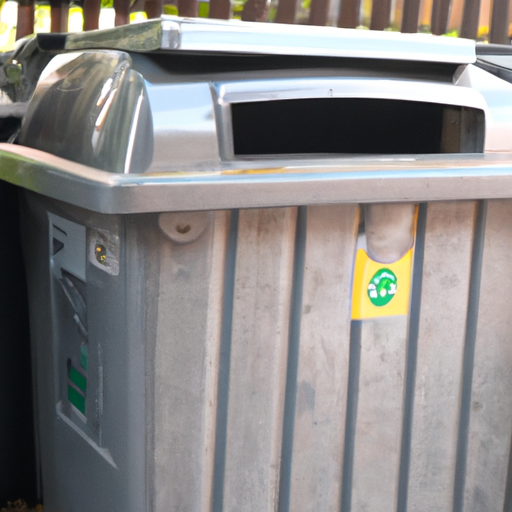
“Eliminate E-Waste with E-Waste Bin – A Greener Way to Dispose!”
Introduction
E-waste bins are an important part of any home or office. They provide a safe and convenient way to dispose of electronic waste, such as old computers, cell phones, and other electronic devices. E-waste bins are designed to keep hazardous materials out of landfills and other areas where they can cause environmental damage. They are also a great way to keep your home or office organized and clutter-free. With the right e-waste bin, you can easily and safely dispose of your electronic waste.
The Benefits of Installing an E Waste Bin in Your Home
The installation of an e-waste bin in your home is an excellent way to ensure that your electronic waste is disposed of in an environmentally responsible manner. E-waste, or electronic waste, is any discarded electronic device or component, such as computers, televisions, cell phones, and other electronic items. As technology advances, more and more electronic devices are being discarded, and it is important to ensure that these items are disposed of properly.
One of the primary benefits of installing an e-waste bin in your home is that it helps to reduce the amount of electronic waste that ends up in landfills. Electronic waste contains hazardous materials such as lead, mercury, and cadmium, which can leach into the soil and contaminate groundwater. By disposing of your electronic waste in an e-waste bin, you can help to reduce the amount of hazardous materials that end up in landfills.
Another benefit of installing an e-waste bin in your home is that it helps to reduce the amount of energy used to manufacture new electronic devices. When electronic waste is recycled, the materials can be reused to create new products, which reduces the amount of energy needed to manufacture new items. This helps to reduce the amount of energy used to produce new electronic devices, which in turn helps to reduce greenhouse gas emissions.
Finally, installing an e-waste bin in your home can help to create jobs in the recycling industry. By recycling your electronic waste, you are helping to create jobs in the recycling industry, which helps to stimulate the economy.
In conclusion, installing an e-waste bin in your home is an excellent way to ensure that your electronic waste is disposed of in an environmentally responsible manner. By doing so, you can help to reduce the amount of hazardous materials that end up in landfills, reduce the amount of energy used to manufacture new electronic devices, and create jobs in the recycling industry.
How to Properly Dispose of E Waste in an E Waste Bin

E-waste, or electronic waste, is any discarded electronic device or component. It includes computers, televisions, cell phones, printers, and other electronic items. Proper disposal of e-waste is essential to protect the environment and human health.
When disposing of e-waste, it is important to use an e-waste bin. An e-waste bin is a specialized container designed to safely store and dispose of electronic waste. It is important to use an e-waste bin because it prevents the release of hazardous materials into the environment.
When disposing of e-waste in an e-waste bin, it is important to follow the instructions provided by the manufacturer. Generally, the instructions will include the following steps:
1. Remove all batteries from the device. Batteries should be recycled separately from the device.
2. Remove any personal data from the device. This includes any documents, photos, or other data stored on the device.
3. Place the device in the e-waste bin.
4. Close the lid of the e-waste bin securely.
It is important to note that some e-waste bins may require additional steps, such as the use of a special bag or liner. Be sure to follow the instructions provided by the manufacturer.
Once the e-waste has been placed in the e-waste bin, it should be taken to a certified e-waste recycler. This will ensure that the e-waste is disposed of properly and that hazardous materials are not released into the environment.
By following these steps, you can help protect the environment and human health by properly disposing of e-waste in an e-waste bin.
The Impact of E Waste on the Environment and What You Can Do to Help
E-waste, or electronic waste, is a growing problem in the modern world. It is defined as any discarded electronic device or component, such as computers, televisions, cell phones, and other electronic items. As technology advances, more and more of these items are being discarded, leading to a significant environmental impact.
The most significant environmental impact of e-waste is the release of hazardous materials into the environment. Many electronic devices contain toxic materials such as lead, mercury, and cadmium, which can be released into the air, soil, and water when these devices are not disposed of properly. These materials can cause serious health problems, including cancer, neurological damage, and reproductive issues. In addition, the improper disposal of e-waste can lead to the release of greenhouse gases, which contribute to global warming.
The good news is that there are steps that can be taken to reduce the environmental impact of e-waste. One of the most important steps is to properly dispose of e-waste. Many cities and towns have e-waste recycling centers where these items can be taken for proper disposal. In addition, many electronics manufacturers offer take-back programs where they will take back old electronics and recycle them.
Another way to reduce the environmental impact of e-waste is to purchase electronics that are designed to be more energy efficient. Many electronics manufacturers now offer products that are designed to use less energy and last longer, reducing the need to replace them as often.
Finally, it is important to be aware of the environmental impact of e-waste and to take steps to reduce it. By properly disposing of e-waste, purchasing energy-efficient electronics, and being aware of the environmental impact of e-waste, individuals can help to reduce the environmental impact of e-waste and protect the environment.
Conclusion
The E Waste Bin is a great way to help reduce the amount of electronic waste that ends up in landfills. It is an easy and convenient way to dispose of unwanted electronics, and it helps to keep our environment clean and safe. By using an E Waste Bin, we can help to reduce the amount of electronic waste that is produced and help to protect our planet.
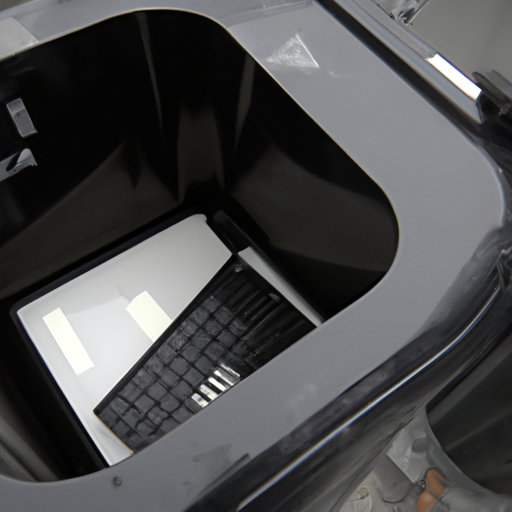
“Eliminate Waste, Go Green with Electronic Waste Bin!”
Introduction
An electronic waste bin is a device that is used to store and dispose of electronic waste. It is designed to help reduce the amount of electronic waste that is sent to landfills and incinerators. Electronic waste bins are becoming increasingly popular as more people become aware of the environmental impact of disposing of electronic waste in the wrong way. Electronic waste bins are available in a variety of sizes and styles, and can be used in both residential and commercial settings. They are an effective way to reduce the amount of electronic waste that is sent to landfills and incinerators, and can help to reduce the environmental impact of disposing of electronic waste.
The Benefits of Installing an Electronic Waste Bin in Your Home
The installation of an electronic waste bin in the home is becoming increasingly popular as people become more aware of the environmental impact of their waste. Electronic waste bins are designed to help reduce the amount of waste that is sent to landfills, and they can also help to reduce the amount of energy used to process waste. Here are some of the benefits of installing an electronic waste bin in your home.
First, electronic waste bins are designed to be more efficient than traditional waste bins. They are designed to separate recyclable materials from non-recyclable materials, which helps to reduce the amount of waste that is sent to landfills. This also helps to reduce the amount of energy used to process waste, as recyclable materials can be reused or recycled.
Second, electronic waste bins are designed to be more convenient than traditional waste bins. They are designed to be easy to use, and they can be programmed to automatically sort and separate recyclable materials from non-recyclable materials. This makes it easier to ensure that recyclable materials are properly disposed of, and it also helps to reduce the amount of time spent sorting through waste.
Third, electronic waste bins are designed to be more hygienic than traditional waste bins. They are designed to be sealed, which helps to reduce the risk of contamination from bacteria and other microorganisms. This helps to ensure that the waste is properly disposed of, and it also helps to reduce the risk of disease transmission.
Finally, electronic waste bins are designed to be more aesthetically pleasing than traditional waste bins. They are designed to be sleek and modern, and they can be customized to fit any home decor. This helps to make them more attractive and inviting, and it also helps to make them more appealing to visitors.
Overall, the installation of an electronic waste bin in the home can provide numerous benefits. It can help to reduce the amount of waste that is sent to landfills, it can help to reduce the amount of energy used to process waste, it can be more convenient and hygienic than traditional waste bins, and it can be more aesthetically pleasing. For these reasons, installing an electronic waste bin in the home is a great way to help reduce the environmental impact of your waste.
How to Properly Dispose of Electronic Waste in an Electronic Waste Bin

Electronic waste, or e-waste, is a growing problem in the world today. As technology advances, more and more electronic devices are being produced and discarded. To help reduce the amount of e-waste that ends up in landfills, many countries have implemented regulations that require the proper disposal of e-waste. One way to properly dispose of e-waste is to use an electronic waste bin.
When disposing of e-waste in an electronic waste bin, it is important to follow the instructions provided by the manufacturer. Generally, these instructions will include the types of items that can be placed in the bin, as well as any safety precautions that should be taken. It is also important to ensure that all items are properly labeled and sorted before placing them in the bin.
When disposing of e-waste in an electronic waste bin, it is important to separate items by type. This includes separating items such as computers, monitors, printers, and other electronic devices. It is also important to separate items such as batteries, CDs, and DVDs. This will help to ensure that the items are properly recycled or disposed of.
It is also important to ensure that all items are properly labeled before placing them in the bin. This includes labeling items with their make and model, as well as any serial numbers. This will help to ensure that the items are properly recycled or disposed of.
Finally, it is important to ensure that all items are securely sealed before placing them in the bin. This will help to prevent any hazardous materials from leaking out of the bin and into the environment.
By following these steps, you can help to ensure that your e-waste is properly disposed of in an electronic waste bin. This will help to reduce the amount of e-waste that ends up in landfills, and will help to protect the environment.
The Impact of Electronic Waste on the Environment and How Electronic Waste Bins Can Help
Electronic waste, or e-waste, is a growing problem in the modern world. As technology advances, more and more electronic devices become obsolete and are discarded. Unfortunately, these discarded devices often end up in landfills, where they can cause serious environmental damage. E-waste contains a variety of hazardous materials, such as lead, mercury, and cadmium, which can leach into the soil and contaminate groundwater. In addition, many electronic devices contain flame retardants and other chemicals that can be released into the air when burned.
The best way to reduce the environmental impact of e-waste is to properly dispose of it. Electronic waste bins are an effective way to do this. These bins are designed to safely store and transport e-waste to a recycling facility, where it can be properly disposed of. By using e-waste bins, individuals and businesses can help reduce the amount of e-waste that ends up in landfills.
E-waste bins are also beneficial in other ways. By properly disposing of e-waste, businesses can reduce their liability and protect their reputation. In addition, recycling e-waste can help conserve natural resources and reduce the amount of energy needed to produce new electronic devices.
In conclusion, e-waste bins are an effective way to reduce the environmental impact of e-waste. By properly disposing of e-waste, businesses and individuals can help protect the environment and conserve natural resources.
Conclusion
In conclusion, the Electronic Waste Bin is a great way to help reduce the amount of electronic waste that is produced. It is an easy and convenient way to dispose of unwanted electronics, and it helps to keep our environment clean and safe. The Electronic Waste Bin is a great way to help reduce the amount of electronic waste that is produced, and it is an important tool in helping to protect our environment.

“Eliminate E-Waste with Ewaste Bin – A Greener Way to Dispose!”
Introduction
E-waste bins are an important part of any home or office. They provide a safe and convenient way to dispose of electronic waste, such as computers, cell phones, and other electronic devices. E-waste bins are designed to keep hazardous materials out of landfills and other areas where they can cause environmental damage. They are also a great way to keep your home or office organized and clutter-free. With the right e-waste bin, you can help protect the environment and keep your home or office looking neat and tidy.
The Benefits of Installing an Ewaste Bin in Your Home
The installation of an ewaste bin in the home is an important step in helping to reduce the amount of electronic waste that is sent to landfills. Electronic waste, or ewaste, is any discarded electronic device or component, such as computers, televisions, cell phones, and other electronic items. Ewaste is a growing problem, as it contains hazardous materials such as lead, mercury, and cadmium, which can be harmful to the environment and human health.
Installing an ewaste bin in the home is an easy and effective way to help reduce the amount of ewaste that is sent to landfills. By having a designated bin for ewaste, it is easier to keep track of what needs to be recycled and disposed of properly. This helps to ensure that hazardous materials are not released into the environment.
In addition to helping to reduce the amount of ewaste that is sent to landfills, having an ewaste bin in the home can also help to save money. Many electronic items can be recycled and reused, which can help to reduce the cost of purchasing new items. Additionally, some ewaste can be donated to charities or organizations that can use the items for their own purposes.
Finally, having an ewaste bin in the home can help to promote environmental awareness. By having a designated bin for ewaste, it is easier to educate family members and visitors about the importance of recycling and disposing of ewaste properly. This can help to create a more sustainable lifestyle and help to reduce the amount of ewaste that is sent to landfills.
In conclusion, installing an ewaste bin in the home is an important step in helping to reduce the amount of ewaste that is sent to landfills. Not only does it help to reduce the amount of hazardous materials that are released into the environment, but it can also help to save money and promote environmental awareness.
How to Properly Dispose of Ewaste in Your Ewaste Bin

Electronic waste, or e-waste, is a growing problem in the world today. As technology advances, more and more electronic devices are being discarded, creating a large amount of hazardous waste. Proper disposal of e-waste is essential to protect the environment and human health. Here are some tips for properly disposing of e-waste in your e-waste bin.
1. Check with your local government or waste management company to find out what types of e-waste are accepted in your area. Different areas have different regulations regarding e-waste disposal, so it is important to know what is accepted in your area.
2. Separate your e-waste into different categories. This will make it easier for the waste management company to properly dispose of the e-waste. Common categories include computers and peripherals, televisions and monitors, cell phones and other small electronics, and large appliances.
3. Remove any batteries from the e-waste before disposing of it. Batteries can be hazardous and should be recycled separately.
4. Make sure all e-waste is properly packaged before disposing of it. This will help to prevent any hazardous materials from leaking out and contaminating the environment.
5. Label all e-waste with the type of material it is made of. This will help the waste management company to properly dispose of the e-waste.
By following these tips, you can help to ensure that your e-waste is disposed of properly and safely. Proper disposal of e-waste is essential to protect the environment and human health.
The Impact of Ewaste on the Environment and What You Can Do to Help
E-waste, or electronic waste, is a growing problem in the modern world. It is defined as any discarded electrical or electronic device, such as computers, televisions, cell phones, and other electronic items. As technology advances, more and more of these items are being discarded, leading to a significant environmental impact.
The most significant environmental impact of e-waste is the release of hazardous materials into the environment. Many electronic devices contain toxic materials such as lead, mercury, and cadmium, which can be released into the air, soil, and water when these devices are not disposed of properly. These materials can cause serious health problems, including cancer, neurological damage, and reproductive issues. In addition, the improper disposal of e-waste can lead to the release of greenhouse gases, which contribute to global warming.
The good news is that there are steps that can be taken to reduce the environmental impact of e-waste. One of the most important steps is to properly dispose of e-waste. Many cities and towns have e-waste recycling centers where these items can be taken for proper disposal. In addition, many electronics manufacturers offer take-back programs where they will take back old electronics and recycle them.
Another way to reduce the environmental impact of e-waste is to buy products that are designed to be more energy efficient. Many electronics manufacturers now offer products that are designed to use less energy and last longer, reducing the need to replace them as often.
Finally, it is important to be aware of the environmental impact of e-waste and to take steps to reduce it. By properly disposing of e-waste, buying energy-efficient products, and being aware of the environmental impact of e-waste, we can all help to reduce the environmental impact of e-waste.
Conclusion
E-waste bins are an important tool for managing electronic waste in a safe and responsible manner. They provide a convenient way to store and dispose of electronic waste, helping to reduce the environmental impact of electronic waste. By using e-waste bins, businesses and individuals can help to reduce the amount of electronic waste that ends up in landfills and other hazardous waste sites. E-waste bins are an effective way to ensure that electronic waste is disposed of properly and responsibly.
“E-Waste Bin: The Smart Way to Dispose of Your Electronics!”
Introduction
E-waste bins are an important part of any modern home or office. They provide a convenient way to dispose of electronic waste, such as old computers, cell phones, and other electronic devices. E-waste bins are designed to safely contain and store electronic waste, preventing it from entering the environment and causing harm. They are also designed to be easy to use and maintain, making them an ideal solution for any home or office.
The Benefits of Installing an E-Waste Bin in Your Office
The installation of an e-waste bin in the office is an important step in promoting sustainability and reducing environmental impact. E-waste, or electronic waste, is any discarded electronic device or component, such as computers, televisions, cell phones, and other electronic items. As technology advances, more and more of these items are being discarded, creating a growing environmental problem.
The installation of an e-waste bin in the office is an effective way to reduce the amount of e-waste that is sent to landfills. By providing a designated place for employees to dispose of their e-waste, the office can ensure that it is properly recycled or disposed of. This helps to reduce the amount of hazardous materials that are released into the environment, as well as reducing the amount of energy and resources needed to process the waste.
In addition to reducing environmental impact, the installation of an e-waste bin in the office can also help to reduce costs. By recycling e-waste, the office can save money on disposal fees and reduce the amount of waste that needs to be processed. This can help to reduce the overall cost of running the office, as well as helping to reduce the amount of waste that is sent to landfills.
Finally, the installation of an e-waste bin in the office can help to promote sustainability and environmental awareness among employees. By providing a designated place for employees to dispose of their e-waste, the office can help to educate employees about the importance of recycling and reducing their environmental impact. This can help to create a culture of sustainability in the office, which can help to reduce the amount of waste that is sent to landfills and promote a healthier environment.
In conclusion, the installation of an e-waste bin in the office is an important step in promoting sustainability and reducing environmental impact. By providing a designated place for employees to dispose of their e-waste, the office can help to reduce the amount of hazardous materials that are released into the environment, as well as reducing the amount of energy and resources needed to process the waste. In addition, the installation of an e-waste bin in the office can help to reduce costs and promote sustainability and environmental awareness among employees.
How to Properly Dispose of E-Waste in Your E-Waste Bin

Electronic waste, or e-waste, is a growing problem in the world today. As technology advances, more and more electronic devices are being discarded, creating a large amount of hazardous waste. To help reduce the amount of e-waste that ends up in landfills, many businesses and organizations have implemented e-waste bins. Properly disposing of e-waste in these bins is essential for protecting the environment and preventing hazardous materials from entering the environment.
The first step in properly disposing of e-waste is to identify what type of e-waste is being discarded. Different types of e-waste require different disposal methods. For example, batteries should be placed in a separate container from other e-waste. This will help ensure that the batteries are disposed of properly and do not contaminate other materials.
Once the type of e-waste has been identified, it is important to separate the materials into different categories. This will help ensure that the e-waste is disposed of in the most efficient manner. For example, metals should be placed in one container, plastics in another, and glass in a third. This will help ensure that the materials are recycled properly and do not end up in landfills.
It is also important to make sure that all e-waste is properly labeled. This will help ensure that the materials are disposed of in the correct manner. Labels should include the type of material, the manufacturer, and any other relevant information.
Finally, it is important to make sure that all e-waste is securely sealed before being placed in the e-waste bin. This will help prevent any hazardous materials from leaking out and entering the environment.
By following these steps, businesses and organizations can help ensure that their e-waste is disposed of in the most efficient and environmentally friendly manner. Properly disposing of e-waste in an e-waste bin is essential for protecting the environment and preventing hazardous materials from entering the environment.
The Environmental Impact of E-Waste and How to Reduce It with an E-Waste Bin
E-waste, or electronic waste, is a growing problem in the modern world. It is defined as any discarded electrical or electronic device, such as computers, televisions, cell phones, and other electronic items. As technology advances, more and more of these items are being discarded, leading to a significant environmental impact.
The environmental impact of e-waste is twofold. First, many of the materials used to make these items are toxic and can leach into the soil and water, contaminating the environment. Second, the improper disposal of e-waste can lead to the release of hazardous chemicals into the air, which can cause respiratory problems and other health issues.
Fortunately, there are ways to reduce the environmental impact of e-waste. One of the most effective methods is to use an e-waste bin. An e-waste bin is a specialized container designed to safely store and dispose of e-waste. It is typically made of a durable material, such as steel or plastic, and is designed to keep hazardous materials contained.
Using an e-waste bin is a simple and effective way to reduce the environmental impact of e-waste. It helps to keep hazardous materials contained and prevents them from leaching into the soil and water. Additionally, it helps to reduce the amount of e-waste that is improperly disposed of, which can lead to the release of hazardous chemicals into the air.
E-waste bins can be found in many locations, including retail stores, recycling centers, and online. When purchasing an e-waste bin, it is important to make sure that it is made of a durable material and is designed to keep hazardous materials contained. Additionally, it is important to ensure that the bin is properly labeled and that it is easy to access.
By using an e-waste bin, individuals and businesses can help to reduce the environmental impact of e-waste. It is a simple and effective way to keep hazardous materials contained and to reduce the amount of e-waste that is improperly disposed of. Additionally, it helps to ensure that e-waste is disposed of in a safe and responsible manner.
Conclusion
The E-Waste Bin is a great way to help reduce the amount of electronic waste that ends up in landfills. It is an easy and convenient way to dispose of unwanted electronics, and it helps to keep our environment clean and safe. By using the E-Waste Bin, we can help to reduce the amount of electronic waste that is produced and help to protect our planet.
“Eliminate E-Waste with Ewaste Bins – A Greener Future Starts Here!”
Introduction
E-waste bins are an important part of any business or home. They provide a safe and convenient way to dispose of electronic waste, such as computers, cell phones, and other electronic devices. E-waste bins are designed to keep hazardous materials out of landfills and other areas where they can cause environmental damage. They also help to reduce the amount of e-waste that is sent to landfills, which can help to reduce the amount of pollution caused by e-waste. E-waste bins are available in a variety of sizes and styles, making them suitable for any space.
The Benefits of Installing Ewaste Bins in Your Office
The installation of ewaste bins in the office is an important step in promoting sustainability and reducing environmental impact. Ewaste bins provide a convenient and safe way to dispose of electronic waste, such as computers, printers, and other electronic devices. By disposing of ewaste in the proper manner, businesses can help to reduce the amount of hazardous materials that end up in landfills.
The installation of ewaste bins in the office can help to reduce the amount of hazardous materials that are released into the environment. Electronic waste contains a variety of hazardous materials, such as lead, mercury, and cadmium, which can be released into the environment if not disposed of properly. By disposing of ewaste in the proper manner, businesses can help to reduce the amount of hazardous materials that are released into the environment.
The installation of ewaste bins in the office can also help to reduce the amount of energy that is used to produce new electronic devices. By disposing of ewaste in the proper manner, businesses can help to reduce the amount of energy that is used to produce new electronic devices. This can help to reduce the amount of energy that is used to produce new electronic devices, which can help to reduce the amount of energy that is used to produce new electronic devices.
The installation of ewaste bins in the office can also help to reduce the amount of waste that is produced. By disposing of ewaste in the proper manner, businesses can help to reduce the amount of waste that is produced. This can help to reduce the amount of waste that is produced, which can help to reduce the amount of waste that is produced.
The installation of ewaste bins in the office can also help to promote sustainability. By disposing of ewaste in the proper manner, businesses can help to promote sustainability. This can help to promote sustainability, which can help to promote sustainability.
In conclusion, the installation of ewaste bins in the office is an important step in promoting sustainability and reducing environmental impact. By disposing of ewaste in the proper manner, businesses can help to reduce the amount of hazardous materials that are released into the environment, reduce the amount of energy that is used to produce new electronic devices, and reduce the amount of waste that is produced. Additionally, the installation of ewaste bins in the office can help to promote sustainability.
How to Properly Dispose of Ewaste in Your Home

Electronic waste, or e-waste, is a growing problem in the world today. As technology advances, more and more electronic devices are being produced and discarded. Unfortunately, many of these devices contain hazardous materials that can be damaging to the environment if not disposed of properly. To ensure that your e-waste is disposed of safely and responsibly, here are some tips for proper disposal in your home.
First, check with your local government to see if there are any e-waste recycling programs in your area. Many cities and towns have programs that allow you to drop off your e-waste at designated locations. This is the best way to ensure that your e-waste is recycled and disposed of properly.
If there are no e-waste recycling programs in your area, you can still dispose of your e-waste responsibly. Contact your local electronics store or recycling center to see if they accept e-waste. Many stores and centers will accept e-waste for free or for a small fee.
If you are unable to find a place to recycle your e-waste, you can also donate it to a charity or organization. Many charities and organizations accept donations of used electronics, which can then be refurbished and reused.
Finally, if you are unable to donate or recycle your e-waste, you can dispose of it in your regular trash. However, it is important to make sure that all hazardous materials are removed from the device before disposing of it. This includes batteries, mercury, and other toxic materials.
By following these tips, you can ensure that your e-waste is disposed of properly and responsibly. Not only will this help protect the environment, but it will also help keep hazardous materials out of landfills and waterways.
The Impact of Ewaste on the Environment and What You Can Do to Help
E-waste, or electronic waste, is a growing problem in the modern world. It is defined as any discarded electrical or electronic device, such as computers, televisions, cell phones, and other electronic items. As technology advances, more and more of these items are being discarded, leading to a significant environmental impact.
The most significant environmental impact of e-waste is the release of hazardous materials into the environment. Many electronic devices contain toxic materials such as lead, mercury, and cadmium, which can be released into the air, soil, and water when these devices are not disposed of properly. These materials can cause serious health problems, including cancer, neurological damage, and reproductive issues. In addition, the improper disposal of e-waste can lead to the release of greenhouse gases, which contribute to global warming.
The good news is that there are steps that can be taken to reduce the environmental impact of e-waste. One of the most important steps is to properly dispose of e-waste. Many cities and towns have e-waste recycling centers where these items can be taken for proper disposal. In addition, many electronics manufacturers offer take-back programs where they will take back old electronics and recycle them.
Another way to reduce the environmental impact of e-waste is to buy products that are designed to be more energy efficient. Many electronics manufacturers now offer products that are designed to use less energy and last longer, reducing the need to replace them as often.
Finally, it is important to be aware of the environmental impact of e-waste and to take steps to reduce it. By properly disposing of e-waste, buying energy-efficient products, and being aware of the environmental impact of e-waste, we can all help to reduce the environmental impact of e-waste.
Conclusion
Ewaste bins are an important tool for helping to reduce the amount of electronic waste that ends up in landfills. By providing a convenient and safe way to dispose of unwanted electronics, ewaste bins help to keep our environment clean and safe. They also provide an easy way for businesses and individuals to recycle their electronics, which can help to reduce the amount of hazardous materials that are released into the environment. Ewaste bins are an important part of any waste management plan and should be considered when looking for ways to reduce the amount of electronic waste that is produced.
“E-Waste Bins: The Smart Way to Dispose of Your Electronics!”
Introduction
E-waste bins are an important part of the modern waste management system. They are designed to safely and securely store electronic waste, such as computers, televisions, and other electronic devices. E-waste bins are becoming increasingly popular as more and more people are becoming aware of the environmental and health risks associated with improper disposal of electronic waste. E-waste bins provide a safe and secure way to dispose of electronic waste, while also helping to reduce the amount of hazardous materials that end up in landfills. This article will provide an overview of e-waste bins, their benefits, and how they can be used to help protect the environment.
The Benefits of Installing E-Waste Bins in Your Office
The installation of e-waste bins in the office is a great way to promote sustainability and reduce the amount of electronic waste that is sent to landfills. E-waste bins provide a convenient and safe way to dispose of electronic items that are no longer needed or are no longer functioning. Here are some of the benefits of installing e-waste bins in your office:
1. Reduce Environmental Impact: By disposing of electronic waste in an e-waste bin, you can help reduce the amount of electronic waste that is sent to landfills. This helps to reduce the environmental impact of electronic waste, as it prevents hazardous materials from entering the environment.
2. Promote Recycling: By providing an easy and convenient way to dispose of electronic waste, you can encourage your employees to recycle their electronic items. This helps to reduce the amount of electronic waste that is sent to landfills and promotes the reuse of materials.
3. Increase Efficiency: By providing an easy and convenient way to dispose of electronic waste, you can help to increase the efficiency of your office. This can help to reduce the amount of time that is spent on disposing of electronic waste, as well as reduce the amount of space that is needed to store electronic waste.
4. Improve Safety: By providing an easy and convenient way to dispose of electronic waste, you can help to improve the safety of your office. This can help to reduce the risk of fires and other accidents that can occur when electronic waste is not disposed of properly.
By installing e-waste bins in your office, you can help to promote sustainability and reduce the amount of electronic waste that is sent to landfills. This can help to reduce the environmental impact of electronic waste, promote recycling, increase efficiency, and improve safety.
How to Properly Dispose of E-Waste in Your Home

Electronic waste, or e-waste, is a growing problem in the world today. As technology advances, more and more electronic devices are being produced and discarded. Unfortunately, many of these devices contain hazardous materials that can be damaging to the environment if not disposed of properly. To ensure that your e-waste is disposed of safely and responsibly, here are some tips for proper disposal in your home.
First, check with your local government to see if there are any e-waste recycling programs in your area. Many cities and towns have programs that allow you to drop off your e-waste at designated locations. This is the best way to ensure that your e-waste is recycled and disposed of properly.
If there are no e-waste recycling programs in your area, you can contact a local electronics recycler. Many recyclers will pick up your e-waste for free or for a small fee. Make sure to ask about any fees before you agree to have your e-waste picked up.
If you are unable to find a local recycler, you can also look for a mail-in recycling program. Many companies offer mail-in recycling programs that allow you to send in your e-waste for proper disposal. Be sure to check the company’s website for any fees or restrictions before you send in your e-waste.
Finally, if you are unable to find a recycling program or mail-in option, you can always donate your e-waste to a local charity or school. Many charities and schools accept donations of used electronics and will make sure that they are disposed of properly.
By following these tips, you can ensure that your e-waste is disposed of safely and responsibly. Remember, proper disposal of e-waste is essential for protecting the environment and keeping our planet healthy.
The Environmental Impact of E-Waste and How to Reduce It
E-waste, or electronic waste, is a growing problem in the modern world. It is defined as any discarded electronic device or component, such as computers, televisions, cell phones, and other electronic items. As technology advances, more and more of these items are being discarded, leading to a significant environmental impact.
The environmental impact of e-waste is twofold. First, the materials used to make these items are often hazardous to the environment. Many of these materials, such as lead, mercury, and cadmium, can leach into the soil and water, contaminating them and making them unsafe for human consumption. Additionally, these materials can be released into the air, leading to air pollution.
Second, e-waste can be difficult to dispose of properly. Many of these items contain hazardous materials, and if not disposed of properly, can end up in landfills or in the environment. This can lead to further contamination of the soil and water, as well as air pollution.
Fortunately, there are steps that can be taken to reduce the environmental impact of e-waste. One of the most effective ways to reduce e-waste is to recycle it. Many electronics can be recycled, and this can help to reduce the amount of hazardous materials that are released into the environment. Additionally, many electronics can be refurbished and reused, which can help to reduce the amount of e-waste that is produced.
Another way to reduce the environmental impact of e-waste is to purchase items that are made from recycled materials. Many electronics manufacturers are now producing items that are made from recycled materials, which can help to reduce the amount of hazardous materials that are released into the environment.
Finally, it is important to be aware of the environmental impact of e-waste and to take steps to reduce it. By recycling, reusing, and purchasing items made from recycled materials, individuals can help to reduce the environmental impact of e-waste and help to protect the environment.
Conclusion
E-waste bins are an important tool for helping to reduce the amount of electronic waste that ends up in landfills. By providing a convenient and safe way to dispose of electronic waste, e-waste bins help to reduce the environmental impact of electronic waste and ensure that it is recycled or disposed of properly. E-waste bins are an important part of any waste management plan and should be considered when looking for ways to reduce the amount of electronic waste that ends up in landfills.
“Ewaste Disposal: Responsible Solutions for a Greener Future”
Introduction
E-waste disposal is an important environmental issue that needs to be addressed. Electronic waste, or e-waste, is any discarded electronic device or component that is no longer in use. This includes computers, televisions, cell phones, and other electronic devices. E-waste is a growing problem due to the rapid advancement of technology and the short lifespan of many electronic products. Improper disposal of e-waste can lead to the release of hazardous materials into the environment, which can have serious consequences for human health and the environment. It is important to properly dispose of e-waste in order to reduce the potential for environmental contamination. This article will discuss the importance of e-waste disposal and provide tips on how to properly dispose of e-waste.
The Benefits of Recycling E-Waste: How to Make the Most of Your Old Electronics
Recycling e-waste is an important step in protecting the environment and conserving natural resources. By recycling old electronics, we can reduce the amount of hazardous materials that are released into the environment, conserve energy, and reduce the amount of waste that ends up in landfills. Here are some of the benefits of recycling e-waste and how to make the most of your old electronics.
One of the primary benefits of recycling e-waste is that it reduces the amount of hazardous materials that are released into the environment. Many electronic devices contain hazardous materials such as lead, mercury, and cadmium, which can be released into the environment if not properly disposed of. By recycling these materials, we can reduce the amount of hazardous materials that are released into the environment.
Recycling e-waste also helps conserve energy. Many electronic devices contain valuable materials that can be reused in the production of new products. By recycling these materials, we can reduce the amount of energy that is required to produce new products. This helps conserve energy and reduce our dependence on fossil fuels.
Finally, recycling e-waste helps reduce the amount of waste that ends up in landfills. Many electronic devices contain valuable materials that can be recycled and reused. By recycling these materials, we can reduce the amount of waste that ends up in landfills. This helps reduce the amount of pollution that is released into the environment.
Now that you know the benefits of recycling e-waste, here are some tips on how to make the most of your old electronics. First, make sure to research the best way to dispose of your old electronics. Many local governments have programs in place to help you recycle your old electronics. Additionally, many companies offer recycling services for a fee.
Second, consider donating your old electronics to a charity or organization. Many charities and organizations accept donations of old electronics and use them to help those in need. This is a great way to give back to the community and help those in need.
Finally, consider selling your old electronics. Many companies offer cash for old electronics, which can be a great way to make some extra money. Additionally, many online marketplaces offer a platform for selling used electronics.
By recycling e-waste, we can reduce the amount of hazardous materials that are released into the environment, conserve energy, and reduce the amount of waste that ends up in landfills. Additionally, there are many ways to make the most of your old electronics, such as donating them to a charity or organization, or selling them for cash. By taking advantage of these options, we can help protect the environment and conserve natural resources.
The Dangers of Improper E-Waste Disposal: What You Need to Know

E-waste, or electronic waste, is a growing problem in the modern world. As technology advances, more and more electronic devices become obsolete and are discarded. Unfortunately, improper disposal of e-waste can have serious consequences for both the environment and human health. In this article, we will discuss the dangers of improper e-waste disposal and what you can do to ensure that your e-waste is disposed of safely and responsibly.
E-waste contains a variety of hazardous materials, including lead, mercury, and cadmium. When these materials are not disposed of properly, they can leach into the soil and water, contaminating the environment and posing a risk to human health. Improper disposal of e-waste can also lead to the release of toxic gases, such as carbon dioxide and sulfur dioxide, which can contribute to air pollution.
In addition to environmental risks, improper disposal of e-waste can also lead to data security risks. Many electronic devices contain sensitive information, such as passwords and financial data. If these devices are not disposed of properly, this information can be accessed by criminals, leading to identity theft and other forms of fraud.
Fortunately, there are steps you can take to ensure that your e-waste is disposed of safely and responsibly. First, you should research local e-waste recycling programs. Many cities and towns have programs that allow you to drop off your e-waste at designated locations. You can also contact your local waste management company to find out if they offer e-waste recycling services.
If you are unable to find a local e-waste recycling program, you can also look for certified e-waste recyclers. These companies are certified by the Environmental Protection Agency (EPA) and are required to follow strict guidelines for the safe disposal of e-waste.
Finally, you should always make sure to wipe any sensitive data from your electronic devices before disposing of them. This will help to ensure that your data remains secure and that your e-waste is disposed of safely and responsibly.
In conclusion, improper disposal of e-waste can have serious consequences for both the environment and human health. To ensure that your e-waste is disposed of safely and responsibly, you should research local e-waste recycling programs, contact your local waste management company, and look for certified e-waste recyclers. Additionally, you should always make sure to wipe any sensitive data from your electronic devices before disposing of them. By taking these steps, you can help to protect the environment and keep your data secure.
The Latest Innovations in E-Waste Disposal: How Technology is Making a Difference
E-waste disposal is an increasingly important issue in the modern world. With the rapid advancement of technology, more and more electronic devices are being produced and discarded each year. This has created a growing problem of how to safely and responsibly dispose of these items. Fortunately, the latest innovations in e-waste disposal are making a difference.
One of the most effective methods of e-waste disposal is recycling. This involves breaking down the components of the device and separating them into their individual materials. These materials can then be reused in the production of new products. This reduces the amount of waste that is sent to landfills and helps to conserve natural resources. Additionally, recycling can help to reduce the amount of hazardous materials that are released into the environment.
Another innovative approach to e-waste disposal is the use of specialized incinerators. These incinerators are designed to safely burn electronic waste at high temperatures. This process destroys the hazardous materials contained in the waste and reduces the amount of toxic emissions released into the atmosphere.
Finally, the latest technology is making it easier to track and monitor e-waste disposal. This includes the use of RFID tags, which can be attached to electronic devices to track their movement throughout the disposal process. This helps to ensure that the waste is disposed of in a safe and responsible manner.
Overall, the latest innovations in e-waste disposal are making a difference. By utilizing recycling, incineration, and tracking technologies, we can ensure that electronic waste is disposed of in a safe and responsible manner. This helps to protect the environment and conserve natural resources for future generations.
Conclusion
E-waste disposal is an important issue that needs to be addressed in order to protect the environment and human health. Proper disposal of e-waste is essential to reduce the amount of hazardous materials that can be released into the environment. Governments, businesses, and individuals must all work together to ensure that e-waste is disposed of in a safe and responsible manner. By taking the necessary steps to properly dispose of e-waste, we can help to protect our environment and ensure a healthier future for generations to come.
“Recycle Your E-Waste – It’s Easier Than You Think!”
Introduction
E-waste recycling is an important part of keeping our environment clean and healthy. Electronic waste, or e-waste, is any discarded electronic device or component that is no longer in use. This includes computers, televisions, cell phones, printers, and other electronic items. E-waste is a growing problem, as it contains hazardous materials that can be harmful to the environment if not disposed of properly. Fortunately, there are many e-waste recycling centers near you that can help you safely and responsibly dispose of your e-waste. These centers will take your e-waste and recycle it, ensuring that it is disposed of in an environmentally friendly manner. By recycling your e-waste, you can help protect the environment and keep our planet healthy.
How to Find the Best E-Waste Recycling Near Me
E-waste recycling is an important part of protecting the environment and reducing the amount of hazardous materials that end up in landfills. Finding the best e-waste recycling near you can help you do your part to protect the environment and ensure that your old electronics are disposed of properly. Here are some tips for finding the best e-waste recycling near you.
1. Check with your local government. Many local governments have programs in place to help residents recycle their e-waste. Contact your local government to find out what services they offer and where you can take your e-waste.
2. Look for certified e-waste recyclers. Certified e-waste recyclers are companies that have been certified by the government to properly dispose of e-waste. Look for certified e-waste recyclers in your area and contact them to find out what services they offer.
3. Ask around. Talk to your friends, family, and neighbors to see if they know of any good e-waste recyclers in your area. They may be able to provide you with some helpful information.
4. Search online. Use a search engine to find e-waste recyclers in your area. Make sure to read reviews to get an idea of the quality of service they provide.
5. Visit local stores. Many stores, such as electronics stores and big box stores, offer e-waste recycling services. Contact them to find out what services they offer and where you can take your e-waste.
By following these tips, you can find the best e-waste recycling near you and do your part to protect the environment.
The Benefits of E-Waste Recycling for the Environment

E-waste recycling is an important environmental practice that can help reduce the amount of waste that is sent to landfills. Electronic waste, or e-waste, is composed of discarded electronic products such as computers, televisions, cell phones, and other electronic devices. E-waste is a growing problem, as the number of electronic products being produced and discarded continues to increase.
Recycling e-waste has numerous benefits for the environment. One of the most important benefits is that it reduces the amount of waste that is sent to landfills. By recycling e-waste, valuable materials such as metals, plastics, and glass can be recovered and reused. This reduces the need to extract new materials from the environment, which can help conserve natural resources. Additionally, recycling e-waste can help reduce air and water pollution, as many of the materials used in electronic products can be hazardous when released into the environment.
Recycling e-waste can also help reduce energy consumption. By recovering and reusing materials from e-waste, less energy is needed to produce new products. This can help reduce greenhouse gas emissions, which are a major contributor to climate change. Additionally, recycling e-waste can help create jobs in the recycling industry, which can help stimulate the economy.
Overall, e-waste recycling is an important environmental practice that can help reduce the amount of waste sent to landfills, conserve natural resources, reduce air and water pollution, reduce energy consumption, and create jobs. By recycling e-waste, individuals and businesses can help protect the environment and contribute to a more sustainable future.
What to Look for When Choosing an E-Waste Recycling Facility Near You
When choosing an e-waste recycling facility near you, there are several important factors to consider. First, you should make sure that the facility is certified by a reputable organization. This will ensure that the facility is following the necessary safety protocols and is properly disposing of e-waste in an environmentally responsible manner.
Second, you should check to see what types of e-waste the facility accepts. Many facilities will only accept certain types of e-waste, such as computers, monitors, and televisions. Make sure that the facility you choose accepts the type of e-waste you need to dispose of.
Third, you should inquire about the facility’s data security protocols. Many e-waste recycling facilities will wipe hard drives and other data storage devices to ensure that any personal information is not compromised. Make sure that the facility you choose has a secure data destruction process in place.
Fourth, you should ask about the facility’s recycling process. Make sure that the facility is using the most up-to-date recycling technology and is following all applicable laws and regulations.
Finally, you should inquire about the facility’s customer service. Make sure that the facility is willing to answer any questions you may have and is willing to provide you with the necessary documentation for your records.
By taking the time to research and compare different e-waste recycling facilities near you, you can ensure that you are choosing the best facility for your needs.
Conclusion
E-waste recycling is an important part of keeping our environment clean and safe. It helps to reduce the amount of hazardous materials that can be released into the environment, and it also helps to reduce the amount of waste that is sent to landfills. By recycling e-waste, we can help to protect our environment and ensure that our future generations have a healthy and safe environment to live in.
“E-Waste Disposal: Responsible Solutions for a Greener Future”
Introduction
E-waste disposal is an important environmental issue that needs to be addressed. Electronic waste, or e-waste, is any discarded electronic device or component that is no longer in use. This includes computers, televisions, cell phones, and other electronic devices. E-waste is a growing problem due to the rapid advancement of technology and the short lifespan of many electronic devices. As a result, e-waste is becoming a major source of pollution and is a threat to human health and the environment. Proper disposal of e-waste is essential to reduce the environmental impact of these devices. This article will discuss the importance of e-waste disposal and provide tips on how to properly dispose of e-waste.
The Benefits of Recycling E-Waste: How to Make the Most of Your Old Electronics
Recycling e-waste is an important step in protecting the environment and conserving natural resources. By recycling old electronics, we can reduce the amount of hazardous materials that are released into the environment, conserve energy, and reduce the amount of waste that ends up in landfills. Here are some of the benefits of recycling e-waste and how to make the most of your old electronics.
One of the primary benefits of recycling e-waste is that it reduces the amount of hazardous materials that are released into the environment. Many electronic devices contain hazardous materials such as lead, mercury, and cadmium, which can be released into the environment if not properly disposed of. By recycling these materials, we can reduce the amount of hazardous materials that are released into the environment.
Recycling e-waste also helps conserve energy. Many electronic devices contain valuable materials that can be reused in the production of new products. By recycling these materials, we can reduce the amount of energy that is required to produce new products. This helps conserve energy and reduce our dependence on fossil fuels.
Finally, recycling e-waste helps reduce the amount of waste that ends up in landfills. Many electronic devices contain valuable materials that can be recycled and reused. By recycling these materials, we can reduce the amount of waste that ends up in landfills. This helps reduce the amount of pollution that is released into the environment.
Now that you know the benefits of recycling e-waste, here are some tips on how to make the most of your old electronics. First, make sure to research the best way to dispose of your old electronics. Many local governments have programs in place to help you recycle your old electronics. Additionally, many companies offer recycling services for a fee.
Second, consider donating your old electronics to a charity or organization. Many charities and organizations accept donations of old electronics and use them to help those in need. This is a great way to give back to the community and help those in need.
Finally, consider selling your old electronics. Many companies offer cash for old electronics, which can be a great way to make some extra money. Additionally, many online marketplaces offer a platform for selling used electronics.
By recycling e-waste, we can reduce the amount of hazardous materials that are released into the environment, conserve energy, and reduce the amount of waste that ends up in landfills. Additionally, there are many ways to make the most of your old electronics, such as donating them to a charity or organization, or selling them for cash. By taking advantage of these options, we can help protect the environment and conserve natural resources.
The Dangers of Improper E-Waste Disposal: What You Need to Know

E-waste, or electronic waste, is a growing problem in the modern world. As technology advances, more and more electronic devices become obsolete and are discarded. Unfortunately, improper disposal of e-waste can have serious consequences for both the environment and human health. In this article, we will discuss the dangers of improper e-waste disposal and what you can do to ensure that your e-waste is disposed of safely and responsibly.
E-waste contains a variety of hazardous materials, including lead, mercury, and cadmium. When these materials are not disposed of properly, they can leach into the soil and water, contaminating the environment and posing a risk to human health. Improper disposal of e-waste can also lead to the release of toxic gases, such as dioxins and furans, which can cause respiratory problems and other health issues.
In addition to the environmental and health risks posed by improper e-waste disposal, it can also lead to economic losses. E-waste contains valuable materials, such as copper and gold, which can be recycled and reused. When these materials are not recycled, they are wasted and the economic value is lost.
Fortunately, there are steps you can take to ensure that your e-waste is disposed of safely and responsibly. The first step is to find a certified e-waste recycler. These recyclers are trained to handle e-waste in a safe and responsible manner. They will also ensure that the materials are recycled and reused, rather than simply discarded.
You can also donate your old electronics to charities or organizations that accept them. This is a great way to ensure that your e-waste is reused and not simply thrown away.
Finally, you can also take steps to reduce your e-waste. Consider buying refurbished electronics or repairing your existing devices instead of buying new ones. This will help reduce the amount of e-waste that needs to be disposed of.
In conclusion, improper disposal of e-waste can have serious consequences for both the environment and human health. It is important to take steps to ensure that your e-waste is disposed of safely and responsibly. By finding a certified e-waste recycler, donating your old electronics, and reducing your e-waste, you can help protect the environment and ensure that valuable materials are not wasted.
The Growing Problem of E-Waste: How to Reduce Your Impact on the Environment
E-waste, or electronic waste, is a growing problem in the modern world. As technology advances, more and more electronic devices are being produced and discarded, leading to a massive buildup of e-waste. This waste is not only an eyesore, but it can also be hazardous to the environment. Fortunately, there are steps that individuals can take to reduce their impact on the environment when it comes to e-waste.
The first step is to reduce the amount of e-waste that is produced. This can be done by purchasing fewer electronic devices and making sure to use them for as long as possible. When it is time to upgrade, consider buying refurbished or second-hand devices instead of brand new ones. This will help to reduce the amount of e-waste that is produced.
The second step is to properly dispose of e-waste. Many electronic devices contain hazardous materials, such as lead and mercury, which can be harmful to the environment if not disposed of properly. It is important to find a local e-waste recycling center that can safely dispose of these materials. Many cities and towns have e-waste recycling centers, and some retailers even offer free recycling services for certain items.
The third step is to donate or resell old electronic devices. Donating or reselling old devices is a great way to reduce e-waste and help those in need. Many charities accept donations of used electronics, and there are also online marketplaces where used devices can be sold.
By following these steps, individuals can help to reduce their impact on the environment when it comes to e-waste. Reducing the amount of e-waste produced, properly disposing of e-waste, and donating or reselling old devices are all great ways to help protect the environment.
Conclusion
In conclusion, e-waste disposal is an important issue that needs to be addressed. It is important to ensure that e-waste is disposed of properly in order to protect the environment and human health. There are a variety of methods for disposing of e-waste, including recycling, reuse, and proper disposal. It is important to research the best methods for disposing of e-waste in order to ensure that it is done in a safe and responsible manner.
“Reduce, Reuse, Recycle: The Key to a Greener Future with Ewaste!”
Introduction
E-waste, or electronic waste, is a term used to describe any discarded electronic or electrical device. This includes computers, laptops, tablets, phones, TVs, printers, and other electronic items. E-waste is a growing problem due to the rapid advancement of technology and the short lifespan of many electronic products. As a result, millions of tons of e-waste are generated each year, posing a serious environmental and health hazard. This article will provide an overview of e-waste, its sources, and the potential risks associated with it.
The Basics of Ewaste: What is Ewaste and How Can We Reduce It?
E-waste, or electronic waste, is a term used to describe discarded electronic products such as computers, televisions, cell phones, and other electronic devices. E-waste is a growing problem due to the rapid advancement of technology and the short lifespan of many electronic products. As a result, millions of tons of e-waste are generated each year, leading to environmental and health concerns.
E-waste contains a variety of hazardous materials, such as lead, mercury, and cadmium, which can be released into the environment if not disposed of properly. These materials can contaminate soil and water, and can also be released into the air when burned. In addition, e-waste can contain valuable materials such as gold, silver, and copper, which can be recovered and reused.
Fortunately, there are a number of ways to reduce e-waste. One of the most effective ways is to extend the life of electronic products. This can be done by purchasing products with longer lifespans, such as laptops instead of desktop computers, and by regularly maintaining and repairing electronic products. Additionally, consumers can purchase refurbished or used products, which can help reduce the amount of e-waste generated.
Another way to reduce e-waste is to donate or recycle old electronic products. Many organizations, such as Goodwill and the Salvation Army, accept donations of used electronics. Additionally, many local governments and electronics retailers offer e-waste recycling programs. These programs allow consumers to drop off their old electronics for recycling or reuse.
Finally, consumers can reduce e-waste by purchasing products with minimal packaging. Many electronic products come with excessive packaging, which can create a large amount of waste. By purchasing products with minimal packaging, consumers can help reduce the amount of e-waste generated.
By following these simple steps, consumers can help reduce the amount of e-waste generated each year. Reducing e-waste is important for protecting the environment and preserving valuable resources.
The Environmental Impact of Ewaste: What Are the Risks and How Can We Mitigate Them?

E-waste, or electronic waste, is a growing problem in the modern world. It is defined as any discarded electrical or electronic device, such as computers, televisions, cell phones, and other electronic items. As technology advances, more and more of these items are being discarded, leading to a massive buildup of e-waste. Unfortunately, this waste can have a significant environmental impact.
The most significant environmental risk posed by e-waste is the release of hazardous materials. Many electronic devices contain toxic substances such as lead, mercury, and cadmium. When these devices are discarded, these substances can leach into the soil and water, contaminating the environment. In addition, the burning of e-waste can release toxic fumes into the air, which can be harmful to both humans and animals.
Another environmental risk posed by e-waste is the depletion of natural resources. Many electronic devices contain valuable materials such as gold, silver, and copper. When these devices are discarded, these materials are lost, leading to a depletion of natural resources.
Fortunately, there are steps that can be taken to mitigate the environmental impact of e-waste. One of the most effective ways to reduce e-waste is to promote the reuse and recycling of electronic devices. By encouraging people to donate or recycle their old devices, we can reduce the amount of e-waste that is sent to landfills. In addition, manufacturers can be encouraged to use more sustainable materials in their products, such as recycled plastics and metals.
Finally, governments can play an important role in reducing the environmental impact of e-waste. Governments can create regulations that require manufacturers to take responsibility for their products at the end of their life cycle. They can also create incentives for companies to recycle and reuse their products.
In conclusion, e-waste poses a significant environmental risk. However, by taking steps to promote reuse and recycling, as well as encouraging manufacturers to use more sustainable materials, we can reduce the environmental impact of e-waste and protect our planet for future generations.
The Economics of Ewaste: What Are the Benefits and Challenges of Recycling Ewaste?
E-waste, or electronic waste, is a growing problem in the modern world. It is estimated that over 50 million tons of e-waste are generated each year, and this number is expected to increase in the coming years. As such, it is important to understand the benefits and challenges of recycling e-waste.
The primary benefit of recycling e-waste is that it reduces the amount of waste that is sent to landfills. This helps to reduce the environmental impact of e-waste, as it prevents the release of hazardous materials into the environment. Additionally, recycling e-waste can help to conserve natural resources, as it allows for the reuse of materials that would otherwise be discarded.
Recycling e-waste can also have economic benefits. By recycling e-waste, valuable materials can be recovered and reused, which can reduce the cost of production for new products. Additionally, recycling e-waste can create jobs in the recycling industry, which can help to stimulate the economy.
However, there are also some challenges associated with recycling e-waste. One of the primary challenges is the cost of recycling. Recycling e-waste requires specialized equipment and processes, which can be expensive. Additionally, there is a lack of infrastructure in many countries to support the recycling of e-waste, which can make it difficult to recycle e-waste on a large scale.
Finally, there is also the challenge of ensuring that e-waste is recycled responsibly. Many countries lack regulations to ensure that e-waste is recycled in a safe and responsible manner. This can lead to the release of hazardous materials into the environment, which can have serious consequences.
In conclusion, recycling e-waste can have many benefits, including reducing the amount of waste sent to landfills, conserving natural resources, and creating jobs in the recycling industry. However, there are also some challenges associated with recycling e-waste, including the cost of recycling, lack of infrastructure, and ensuring that e-waste is recycled responsibly.
Conclusion
E-waste is a growing problem in our world today. It is important to be aware of the environmental and health risks associated with e-waste and to take steps to reduce our consumption of electronic products and properly dispose of them when they are no longer needed. By taking these steps, we can help to reduce the amount of e-waste that is produced and ensure that our environment and our health are protected.
“Reduce, Reuse, Recycle: The Key to a Greener Future with E-Waste!”
Introduction
E-waste, or electronic waste, is any discarded electronic device or component that is no longer usable. This includes computers, cell phones, televisions, and other electronic items. E-waste is a growing problem due to the rapid advancement of technology and the short lifespan of many electronic products. As a result, e-waste is becoming a major environmental concern as it contains hazardous materials that can be released into the environment if not disposed of properly. This article will discuss the types of e-waste, the environmental impacts of e-waste, and how to properly dispose of e-waste.
The Basics of E-Waste: What is it and How Can We Reduce It?
E-waste, or electronic waste, is a growing problem in the modern world. It is defined as any discarded electronic device or component, such as computers, televisions, cell phones, and other electronic items. E-waste is a major environmental concern due to the hazardous materials it contains, such as lead, mercury, and cadmium, which can be released into the environment if not disposed of properly.
The amount of e-waste generated globally is increasing rapidly, with estimates of up to 50 million metric tons of e-waste produced each year. This is due to the rapid advancement of technology, which leads to the frequent replacement of electronic devices. Unfortunately, much of this e-waste is not recycled or disposed of properly, leading to the release of hazardous materials into the environment.
Fortunately, there are steps that can be taken to reduce the amount of e-waste generated. One of the most effective ways to reduce e-waste is to extend the life of electronic devices. This can be done by regularly maintaining and repairing devices, as well as upgrading them with new parts or software. Additionally, consumers should consider purchasing refurbished or second-hand devices, which can help reduce the amount of e-waste generated.
When disposing of e-waste, it is important to do so responsibly. Many local governments have e-waste recycling programs, which allow consumers to safely dispose of their electronic devices. Additionally, many retailers and manufacturers offer take-back programs, which allow consumers to return their old devices for recycling or reuse.
By taking steps to reduce e-waste, we can help protect the environment and ensure that hazardous materials are not released into the environment. By extending the life of our electronic devices, purchasing refurbished or second-hand devices, and disposing of e-waste responsibly, we can all do our part to reduce e-waste and protect the environment.
The Environmental Impact of E-Waste: What Can We Do to Help?

The environmental impact of e-waste is a growing concern for the global community. Electronic waste, or e-waste, is any discarded electronic device or component, such as computers, televisions, cell phones, and other electronic items. E-waste is a major source of pollution, as it contains hazardous materials such as lead, mercury, and cadmium, which can leach into the soil and water, contaminating the environment.
The amount of e-waste produced globally is staggering. According to the United Nations, the world produces more than 50 million tons of e-waste each year, and this number is expected to increase by 8% annually. This waste is often shipped to developing countries, where it is often disposed of improperly, leading to further environmental contamination.
Fortunately, there are steps that can be taken to reduce the environmental impact of e-waste. One of the most effective ways to reduce e-waste is to extend the life of electronic devices. This can be done by repairing and upgrading existing devices, rather than replacing them with new ones. Additionally, consumers should look for products that are designed to be more durable and energy-efficient.
Another way to reduce e-waste is to recycle old electronics. Many electronics manufacturers now offer take-back programs, where consumers can return their old devices for recycling. Additionally, many local governments have established e-waste recycling programs, where consumers can drop off their old electronics for proper disposal.
Finally, consumers should be aware of the potential environmental impacts of e-waste and take steps to reduce their own contribution to the problem. By being mindful of the environmental impacts of e-waste, we can all do our part to help protect the environment.
The Benefits of Recycling E-Waste: How Can We Make the Most of It?
Recycling e-waste is an important step in protecting the environment and conserving natural resources. Electronic waste, or e-waste, is any discarded electronic device or component that is no longer in use. This includes computers, televisions, cell phones, and other electronic items. By recycling e-waste, we can reduce the amount of hazardous materials that are released into the environment, conserve energy, and reduce the amount of raw materials needed to produce new products.
Recycling e-waste can help reduce the amount of hazardous materials that are released into the environment. Many electronic devices contain hazardous materials such as lead, mercury, and cadmium. When these materials are not properly disposed of, they can leach into the soil and water, causing contamination and health risks. By recycling e-waste, these materials can be safely removed and disposed of, reducing the risk of contamination.
Recycling e-waste can also help conserve energy. Many electronic devices contain components that require energy to operate. By recycling these components, we can reduce the amount of energy needed to produce new products. This can help reduce our dependence on fossil fuels and reduce our carbon footprint.
Finally, recycling e-waste can help reduce the amount of raw materials needed to produce new products. Many electronic devices contain valuable metals and plastics that can be recycled and reused in the production of new products. This can help reduce the amount of resources needed to produce new products, saving money and reducing our impact on the environment.
To make the most of e-waste recycling, it is important to ensure that all electronic devices are properly disposed of. Many communities have e-waste recycling centers where electronic devices can be dropped off for recycling. It is also important to ensure that all hazardous materials are properly removed and disposed of before recycling.
By recycling e-waste, we can reduce the amount of hazardous materials released into the environment, conserve energy, and reduce the amount of raw materials needed to produce new products. By properly disposing of our electronic devices and ensuring that all hazardous materials are removed and disposed of, we can make the most of e-waste recycling and help protect the environment.
Conclusion
E-waste is a growing problem in our world today. It is important to be aware of the environmental and health risks associated with e-waste and to take steps to reduce our consumption of electronic products and properly dispose of them when they are no longer needed. By taking these steps, we can help to reduce the amount of e-waste that is produced and ensure that our environment and our health are protected.
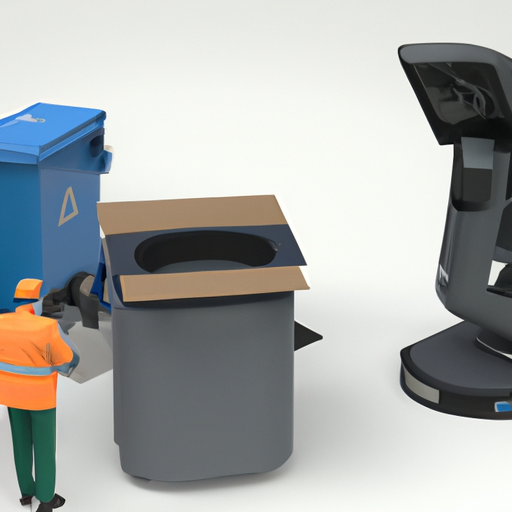
“Securely and responsibly dispose of your IT assets with our trusted IT Disposal services.”
Introduction
IT disposal refers to the process of properly disposing of electronic equipment, such as computers, laptops, servers, and other IT devices, at the end of their lifecycle. This involves the safe and environmentally friendly disposal of these items, ensuring that any sensitive data is securely erased and that any hazardous materials are handled and disposed of in accordance with regulations. IT disposal is an important aspect of responsible electronic waste management, as it helps prevent environmental pollution and data breaches while promoting sustainability.
The Importance of Proper IT Disposal Methods
In today’s digital age, technology is constantly evolving and becoming obsolete at a rapid pace. As a result, businesses and individuals are constantly upgrading their IT equipment to keep up with the latest advancements. However, what many people fail to consider is the proper disposal of their old IT equipment. Improper disposal of IT equipment can have serious consequences for both the environment and data security. Therefore, it is crucial to understand the importance of proper IT disposal methods.
One of the main reasons why proper IT disposal is important is because of the environmental impact. Electronic waste, or e-waste, is a growing concern worldwide. When IT equipment is not disposed of properly, it often ends up in landfills where it can release harmful toxins into the environment. These toxins can contaminate soil, water, and air, posing a threat to both human health and the ecosystem. By disposing of IT equipment properly, we can minimize the environmental impact and contribute to a more sustainable future.
Another important aspect of proper IT disposal is data security. When businesses or individuals dispose of their old IT equipment, they often overlook the fact that these devices may contain sensitive and confidential information. Simply deleting files or formatting a hard drive is not enough to ensure that the data is completely erased. Without proper disposal methods, there is a risk that this data can be recovered by unauthorized individuals, leading to potential data breaches and identity theft. Therefore, it is crucial to follow proper IT disposal methods to protect sensitive information and maintain data security.
Proper IT disposal methods involve a series of steps to ensure that both the environment and data security are protected. The first step is to assess the equipment to determine if it can be reused or recycled. If the equipment is still in good working condition, it can be refurbished and donated to charitable organizations or sold to individuals or businesses in need. This not only reduces e-waste but also provides an opportunity for others to benefit from the equipment.
If the equipment is no longer usable, it should be recycled. Recycling IT equipment involves dismantling the devices and separating the different components for proper disposal. This ensures that valuable materials such as metals and plastics can be recovered and reused, reducing the need for raw materials and minimizing the environmental impact.
In addition to recycling, it is important to ensure that any data stored on the equipment is completely erased. This can be done through data wiping or physical destruction of the storage devices. Data wiping involves using specialized software to overwrite the existing data with random patterns, making it virtually impossible to recover. Physical destruction, on the other hand, involves physically shredding or crushing the storage devices to ensure that the data cannot be accessed.
In conclusion, proper IT disposal methods are of utmost importance in today’s digital age. By disposing of IT equipment properly, we can minimize the environmental impact of e-waste and protect sensitive information from falling into the wrong hands. It is crucial for businesses and individuals to understand the importance of proper IT disposal and take the necessary steps to ensure that their old IT equipment is recycled and data is securely erased. By doing so, we can contribute to a more sustainable future and maintain data security in an increasingly interconnected world.
Environmental Impacts of Improper IT Disposal

IT Disposal: Environmental Impacts of Improper IT Disposal
In today’s digital age, technology plays a crucial role in our lives. From smartphones to laptops, we rely on various electronic devices to stay connected, work, and entertain ourselves. However, as technology advances at a rapid pace, the problem of electronic waste, or e-waste, has become a pressing concern. Improper disposal of IT equipment can have severe environmental impacts, contributing to pollution and resource depletion.
One of the primary environmental impacts of improper IT disposal is the release of hazardous substances into the environment. Electronic devices contain a wide range of toxic materials, including lead, mercury, cadmium, and brominated flame retardants. When these substances are not properly handled during disposal, they can leach into the soil and water, contaminating ecosystems and posing a threat to human health.
Furthermore, the improper disposal of IT equipment leads to the accumulation of e-waste in landfills. Electronic devices are often bulky and take up significant space in landfills, which are already overflowing with other types of waste. As a result, landfills become overcrowded, leading to environmental degradation and the release of harmful gases, such as methane, into the atmosphere. Methane is a potent greenhouse gas that contributes to climate change.
Another environmental impact of improper IT disposal is the depletion of valuable resources. Electronic devices contain precious metals like gold, silver, and copper, as well as rare earth elements. When these devices are not recycled or properly disposed of, these resources go to waste. Mining for these materials is not only expensive but also environmentally destructive, causing deforestation, habitat destruction, and soil erosion. By recycling IT equipment, we can reduce the demand for new resources and minimize the environmental impact of mining.
Moreover, improper IT disposal contributes to energy waste. Electronic devices consume energy during their production, use, and disposal phases. When these devices are not recycled or disposed of properly, the energy invested in their production is wasted. By recycling IT equipment, we can recover valuable materials and reduce the need for energy-intensive mining and manufacturing processes.
To mitigate the environmental impacts of improper IT disposal, it is crucial to promote responsible e-waste management practices. Governments, businesses, and individuals all have a role to play in ensuring that IT equipment is recycled or disposed of properly. Governments can implement regulations and policies that encourage the recycling of electronic devices and discourage improper disposal. Businesses can adopt sustainable IT practices, such as refurbishing and reselling old equipment or partnering with certified e-waste recyclers. Individuals can educate themselves about proper e-waste disposal methods and make an effort to recycle their old electronic devices.
In conclusion, the improper disposal of IT equipment has severe environmental impacts. It leads to the release of hazardous substances, the accumulation of e-waste in landfills, the depletion of valuable resources, and energy waste. To address these issues, responsible e-waste management practices must be promoted at all levels. By recycling IT equipment and adopting sustainable practices, we can minimize the environmental impact of our digital lifestyles and contribute to a more sustainable future.
Best Practices for Secure IT Disposal
IT Disposal: Best Practices for Secure IT Disposal
In today’s digital age, the proper disposal of IT equipment is of utmost importance. With the constant advancements in technology, businesses and individuals are frequently upgrading their devices, resulting in a surplus of outdated or obsolete IT equipment. However, disposing of these devices in a secure and environmentally friendly manner is crucial to prevent data breaches and minimize the impact on the environment. In this article, we will discuss the best practices for secure IT disposal.
First and foremost, it is essential to ensure that all sensitive data is securely erased from the IT equipment before disposal. This includes laptops, desktops, servers, and any other devices that may contain confidential information. Simply deleting files or formatting the hard drive is not enough to guarantee data security. Instead, it is recommended to use specialized software that can securely wipe the data, making it virtually impossible to recover.
Another important aspect of secure IT disposal is the physical destruction of storage media. Even if data has been securely erased, there is still a risk of it being recovered through advanced techniques. To mitigate this risk, physically destroying the storage media is necessary. This can be done through methods such as shredding, crushing, or degaussing, depending on the type of media. By completely destroying the storage media, the chances of any data recovery are eliminated.
When it comes to disposing of IT equipment, it is crucial to choose a reputable and certified IT disposal service provider. These providers specialize in the secure and environmentally friendly disposal of IT equipment. They have the necessary expertise and equipment to handle the disposal process effectively. Additionally, they adhere to strict industry standards and regulations, ensuring that your IT equipment is disposed of in a responsible manner.
Furthermore, it is important to consider the environmental impact of IT disposal. Electronic waste, or e-waste, is a growing concern worldwide. Improper disposal of IT equipment can lead to hazardous materials leaching into the environment, causing pollution and health risks. To minimize the environmental impact, it is recommended to choose an IT disposal service provider that follows environmentally friendly practices. This includes recycling components and materials whenever possible and disposing of hazardous waste in accordance with local regulations.
In addition to choosing a reputable IT disposal service provider, it is also important to maintain proper documentation throughout the disposal process. This documentation should include a detailed inventory of the disposed equipment, including serial numbers and any other relevant information. It is also advisable to obtain a certificate of destruction or disposal from the service provider, as proof that the equipment has been properly disposed of.
Lastly, it is worth mentioning that secure IT disposal is not only applicable to businesses but also to individuals. Personal devices such as smartphones, tablets, and personal computers also contain sensitive information that needs to be securely erased before disposal. The same best practices mentioned earlier, such as using specialized software and physically destroying storage media, should be followed by individuals as well.
In conclusion, secure IT disposal is a critical process that should not be overlooked. By following best practices such as securely erasing data, physically destroying storage media, choosing a reputable service provider, considering the environmental impact, maintaining proper documentation, and applying these practices to personal devices as well, businesses and individuals can ensure that their IT equipment is disposed of securely and responsibly. By doing so, they can protect sensitive data, minimize the risk of data breaches, and contribute to a cleaner and safer environment.
Conclusion
In conclusion, IT disposal is a critical process that involves the proper and environmentally friendly disposal of electronic waste. It is essential to ensure that IT equipment is disposed of in a responsible manner to prevent environmental pollution and potential data breaches. Proper IT disposal practices include recycling, refurbishing, or donating old equipment, as well as securely erasing any sensitive data. By following these guidelines, organisations can contribute to a sustainable and secure IT disposal process.
Secure Computer Recycling: Protecting Your Data, Preserving the Planet
Introduction
Secure computer recycling refers to the process of disposing of electronic devices, such as computers, laptops, and servers, in a manner that ensures the protection of sensitive data and the environment. It involves the proper handling, dismantling, and recycling of electronic waste to prevent data breaches and minimize the negative impact on the environment. Secure computer recycling is crucial for businesses and individuals alike, as it helps safeguard confidential information and promotes sustainable practices in the disposal of electronic devices.
The Importance of Secure Computer Recycling for Data Protection
In today’s digital age, data protection has become a paramount concern for individuals and organizations alike. With the increasing reliance on computers and other electronic devices, the need for secure computer recycling has never been more important. This article will explore the significance of secure computer recycling in safeguarding sensitive data and the potential risks associated with improper disposal.
When it comes to disposing of old computers, many people simply throw them away or donate them without considering the potential risks involved. However, what they fail to realize is that these devices often contain a wealth of personal and confidential information. From financial records and passwords to sensitive business data, the information stored on a computer can be a goldmine for identity thieves and hackers.
Secure computer recycling ensures that all data is completely wiped from the device before it is disposed of or recycled. This process involves the use of specialized software that permanently erases all traces of data, making it virtually impossible to recover. By securely recycling computers, individuals and organizations can rest assured that their sensitive information will not fall into the wrong hands.
One of the main risks associated with improper computer disposal is the potential for data breaches. When computers are not securely recycled, they often end up in landfills or are sold to unsuspecting buyers. In these cases, the data stored on the device can be easily accessed by anyone who comes across it. This can lead to identity theft, financial fraud, and other serious consequences.
Another risk of improper computer disposal is the environmental impact. Electronic waste, or e-waste, contains hazardous materials such as lead, mercury, and cadmium, which can be harmful to both human health and the environment. When computers are not recycled properly, these toxic substances can leach into the soil and water, causing pollution and damage to ecosystems.
By securely recycling computers, individuals and organizations can not only protect their data but also contribute to a more sustainable future. Secure computer recycling involves dismantling the device and separating its components for proper disposal or recycling. This ensures that hazardous materials are handled safely and that valuable resources are recovered and reused.
When it comes to secure computer recycling, it is important to choose a reputable and certified recycling service. These services have the expertise and equipment necessary to securely erase data and dispose of electronic waste in an environmentally responsible manner. They adhere to strict industry standards and regulations to ensure the highest level of data protection and environmental sustainability.
In conclusion, secure computer recycling is of utmost importance for data protection. Improper disposal of computers can lead to data breaches and environmental damage. By securely recycling computers, individuals and organizations can safeguard their sensitive information and contribute to a more sustainable future. It is crucial to choose a reputable recycling service that follows industry standards and regulations. So, the next time you need to dispose of an old computer, remember the importance of secure computer recycling.
Best Practices for Secure Computer Recycling to Safeguard Sensitive Information

In today’s digital age, the importance of secure computer recycling cannot be overstated. With the increasing amount of sensitive information stored on computers, it is crucial to ensure that this data is properly disposed of to prevent any potential security breaches. In this article, we will discuss the best practices for secure computer recycling to safeguard sensitive information.
One of the first steps in secure computer recycling is to properly wipe all data from the hard drive. This process involves using specialized software to overwrite the existing data with random characters, making it virtually impossible to recover. It is important to note that simply deleting files or formatting the hard drive is not enough, as these methods do not completely erase the data. By using a data wiping software, you can be confident that all sensitive information has been permanently removed.
Another important aspect of secure computer recycling is physical destruction of the hard drive. This is especially crucial if the hard drive is damaged or no longer functional. Physical destruction ensures that the data cannot be accessed or recovered, even by advanced techniques. There are several methods for physically destroying a hard drive, including shredding, crushing, or degaussing. It is recommended to consult with a professional recycling service to determine the most appropriate method for your specific needs.
In addition to properly disposing of the hard drive, it is also important to consider the security of other components of the computer. This includes items such as memory cards, solid-state drives, and even printers. These devices may also contain sensitive information and should be handled with care. Similar to hard drives, these components should be wiped or physically destroyed to ensure that the data cannot be accessed.
When it comes to choosing a recycling service for your computer, it is essential to select a reputable and certified provider. Look for certifications such as R2 (Responsible Recycling) or e-Stewards, which ensure that the recycling process meets strict environmental and data security standards. These certifications guarantee that your sensitive information will be handled and disposed of properly.
Furthermore, it is important to inquire about the recycling service’s data security protocols. Ask about their data wiping methods, physical destruction processes, and any additional security measures they have in place. A reliable recycling service should be able to provide detailed information about their procedures and reassure you that your sensitive information will be protected.
Lastly, it is worth mentioning that secure computer recycling is not only important for individuals but also for businesses and organizations. Companies often handle large amounts of sensitive data, including customer information, financial records, and proprietary data. Failure to properly dispose of this information can lead to severe consequences, including legal and financial repercussions. By following the best practices for secure computer recycling, businesses can safeguard their sensitive information and protect their reputation.
In conclusion, secure computer recycling is a critical step in protecting sensitive information. By properly wiping or physically destroying the hard drive and other components, choosing a reputable recycling service, and following data security protocols, individuals and businesses can ensure that their data is disposed of safely. Taking these precautions not only protects against potential security breaches but also contributes to a more sustainable and environmentally friendly approach to electronic waste disposal.
Environmental Benefits of Secure Computer Recycling and E-Waste Management
Secure Computer Recycling: Environmental Benefits of Secure Computer Recycling and E-Waste Management
In today’s digital age, computers have become an integral part of our lives. From personal use to business operations, these devices play a crucial role in our daily activities. However, as technology advances at a rapid pace, the lifespan of computers is becoming shorter, leading to a significant increase in electronic waste, or e-waste. This poses a serious threat to the environment and human health. Therefore, it is essential to understand the environmental benefits of secure computer recycling and e-waste management.
One of the primary environmental benefits of secure computer recycling is the reduction of electronic waste in landfills. When computers are disposed of improperly, they end up in landfills, where they release toxic substances into the soil and groundwater. These toxic substances, such as lead, mercury, and cadmium, can contaminate the environment and pose a risk to human health. By recycling computers securely, we can prevent these harmful substances from entering the ecosystem and protect our environment.
Another environmental benefit of secure computer recycling is the conservation of natural resources. Computers contain valuable materials like gold, silver, copper, and aluminum, which can be recovered through recycling. By recycling these materials, we reduce the need for mining and extraction, which often leads to deforestation, habitat destruction, and water pollution. Additionally, recycling computers helps conserve energy, as it requires less energy to extract and process recycled materials compared to virgin materials. This reduction in energy consumption further contributes to the preservation of our natural resources and reduces greenhouse gas emissions.
Secure computer recycling also plays a crucial role in reducing carbon emissions and combating climate change. The manufacturing of computers requires a significant amount of energy, which is primarily derived from fossil fuels. By recycling computers, we reduce the demand for new devices, thereby reducing the energy consumption associated with their production. Additionally, recycling computers prevents the release of greenhouse gases that occur during the manufacturing process. By reducing carbon emissions, we can mitigate the impacts of climate change and work towards a more sustainable future.
Furthermore, secure computer recycling promotes the responsible disposal of hazardous materials. Computers contain various toxic substances that can be harmful if not handled properly. By recycling computers securely, we ensure that these hazardous materials are disposed of in an environmentally friendly manner. This not only protects the environment but also safeguards the health and well-being of workers involved in the recycling process.
In conclusion, secure computer recycling and e-waste management offer numerous environmental benefits. By recycling computers securely, we can reduce electronic waste in landfills, conserve natural resources, reduce carbon emissions, and promote the responsible disposal of hazardous materials. It is crucial for individuals, businesses, and governments to prioritize secure computer recycling to protect our environment and create a sustainable future. By taking action today, we can make a significant difference in preserving our planet for future generations.
Conclusion
In conclusion, secure computer recycling is crucial for protecting sensitive data and minimizing environmental impact. It involves the proper disposal and destruction of electronic devices to ensure that personal and confidential information cannot be accessed or misused. By following secure recycling practices, organizations and individuals can contribute to a safer and more sustainable future.